
La autobiografía - Subhro Bandopadhyay
Mis pasos han abierto una senda / entre la autobiografía y yo / Nos saludamos con un sonido apagado / como una fruta pesada / intensamente tropical / que al madurar estalla /
La autobiografía
La autobiografía
1
Mis pasos han abierto una senda
entre la autobiografía y yo
Nos saludamos con un sonido apagado
como una fruta pesada
intensamente tropical
que al madurar estalla
En su pulpa amarilla están unidos
la infancia y su Presente
Las autobiografías suelen ser prolijas
confunden al poeta con su infancia
Disfruto a distancia de todo esto
Enciendo en secreto un cigarro
preguntándome cómo la gente puede
dormir con facilidad
en los viajes largos
2
La autobiografía lo borra todo
–el té mezclado con café soluble
en el andén del viaje invernal
la casa que salta hasta la puerta
el barrio y sus perros callejeros
que saben la hora del último metro
buscan husmeando el Presente
No esperes
sigue tu camino
aunque el miedo ajeno te obligue a silbar
Al igual que la abuela viuda
amaba sus flores blancas
todavía tienes esa habitación
donde guardabas las sombras
Encontrarás la terraza
Respira
fuma si quieres
nadie te observará en ese punto
Lee poesía clásica subrayando con el lápiz
3
La autobiografía prefiere la descripción
de una estación de tren vacía
la llegada del estío
la semilla fibrosa del algodón
en un vagón abandonado
La verdad es que la narración
y el entorno sin colores
son una tarde que come un pescado
y exalta el Presente
en el plato de arroz de color hueso
Me detengo y elijo lo que viene del mar
la zanja del sueño que agita el lenguaje
El mediodía es un insecto
dentro del ámbar añejo del delirio
Vuelvo y arranco el temblor
con una pinza
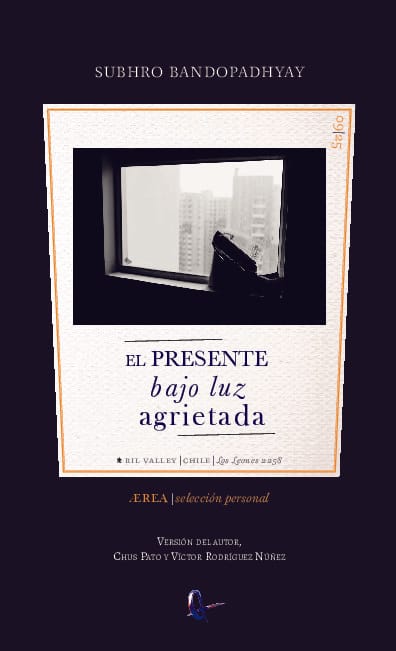
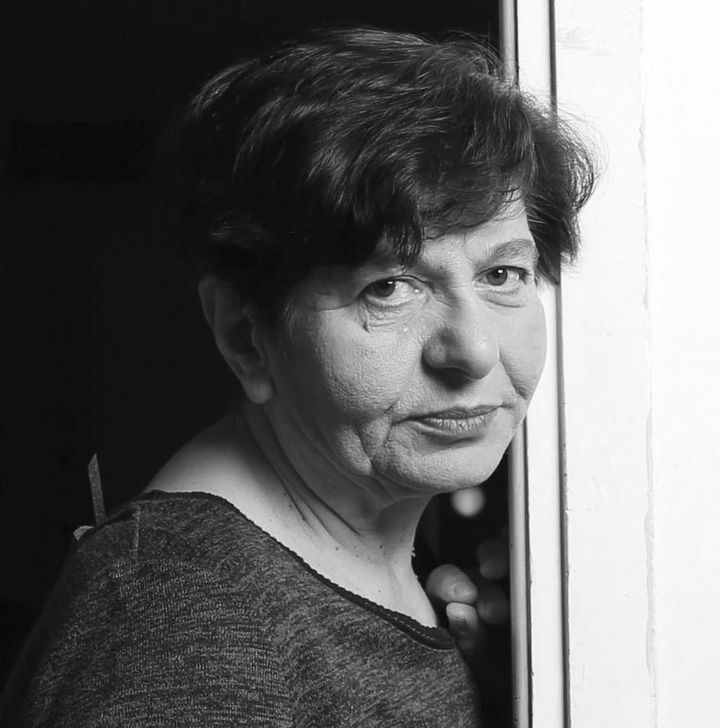
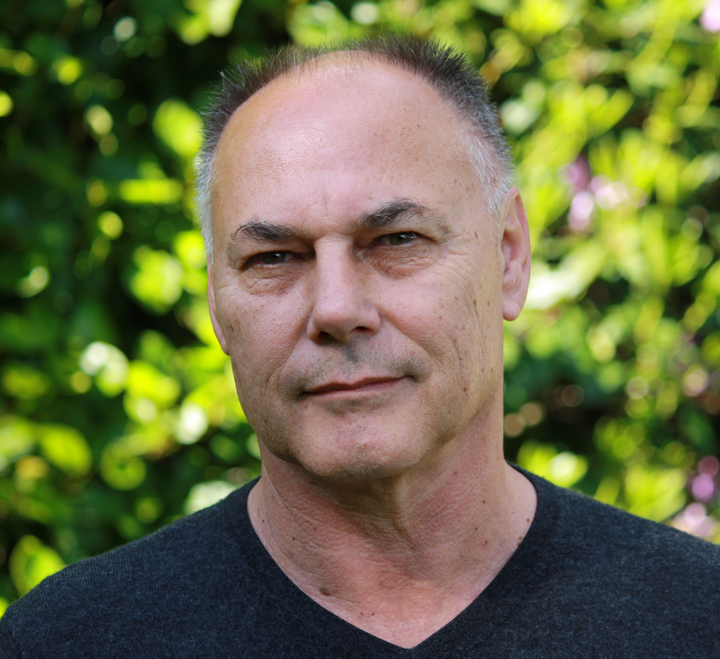
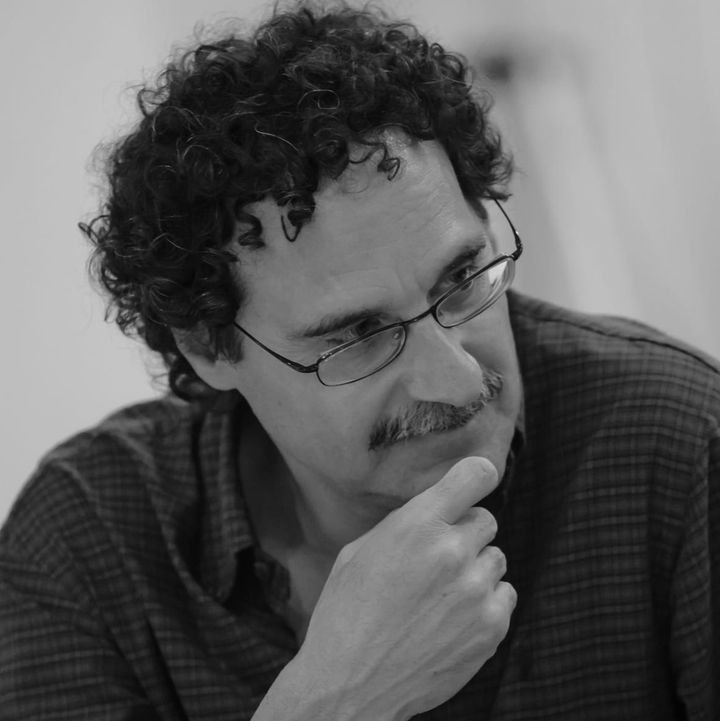
[Versión del autor con Chus Pato y Víctor Rodríguez Núñez, de la antología El presente bajo la luz agrietada, RIL editores, 2025]
*
The autobiography
1.
My steps have opened a path
between the autobiography and me
we greet each other with a muffled sound
like a heavy, intensely tropical fruit,
which bursts when ripe
In its yellow pulp are stuck
childhood and its Present
Autobiographies tend to be verbose
confusing the poet with his childhood
I enjoy all this from a distance
I light a cigarette secretly
wondering how people can
sleep so easily
on long trips
2.
The autobiography erases everything -
the tea mixed with instant coffee
on the platform of a winter trip,
the house that leaps to the door,
the neighbourhood and its mongrels
who know the time of the last metro
they search for the Present sniffing
Do not wait, keep walking,
even if some unknown fear forces you to whistle
Like the widowed grandmother
loved her white flowers
you still have that room
where you kept the shadows
You will find the terrace
breathe, smoke if you want,
no one will watch you there
read classical poetry underlining with the pencil
3.
The autobiography prefers the description
of an empty railway station,
the arrival of summer
the fibrous seed of cotton
in an abandoned wagon
The truth is that the narration
and the colourless environment
are an afternoon eating a fish
that reveres the Present
on the bone-colored rice
on the plate
I stop, I choose what comes from the sea
the ditch of the dream that stirs the language
Noon is an insect
inside the ancient amber of delirium
I return and I tear off the shiver
with a clamp
[Author's version]
*
আত্মজীবনী
১
আত্মজীবনী আর আমার মধ্যে বারবার চলাচল হেতু
একটা রাস্তা তৈরি হয়ে গেছে
আচমকা গাছে কাঁঠাল ফাটার শব্দের মত
একটা স্বর বিনিময় করি আমরা
শব্দদের গায়ে সাধারণত একটা ছোটবেলা আটকে থাকে
আর তাদের সংশ্লিষ্ট বর্তমান
ভাঙা পড়া বাড়ির জঞ্জালস্তূপের রঙিন কাপড়
আত্মজীবনীরা সাধারণত শিক্ষিত হয়
কবি ও শৈশব গুলিয়ে ফেলে
আমি একটু দূরে দাঁড়িয়ে মজা দেখি
কীর্তনের টুকরো কানে
নিচু হয়ে পুরনো বই দেখার ছলে
সময় গুটোই
২
আত্মজীবনী সব মুছে দেয়
কফি মেশানো চা প্ল্যাটফর্ম শীতকাল
দরজা পর্যন্ত লাফিয়ে আসা বাড়ি
পাড়া, শেষ ট্রেনের সময় বোঝা কুকুর দল
যখন তাদের সংশ্লিষ্ট বর্তমান খোঁজে
যাও, দাঁড়িয়ে পড়ো না
ভয় যদিও অন্ধকার রাস্তায় শিস দেওয়াতে চায়
তোমার ঘরটা এখনও আছে ভাবো
ফুলের সঙ্গে বিধবা মালা কাকিমার যতটা স্বাভাবিকতা
ততটাই ঘর সংলগ্ন ছাদ,
যাও একটা সিগারেট ধরাও
এখানে কেউ দেখবে না
ধ্রূপদী কবিতা পড়ো পেন্সিলে দাগিয়ে
৩
আত্মজীবনীর সঙ্গে জড়িয়ে থাকে ফাঁকা কোনও রেলস্টেশন
চৈত্র দুপুরে তুলোবীজ, পরিত্যক্ত ওয়াগন
আসলে বর্ণনা ও না-বর্ণ প্রতিবেশ এবং
তাদের সংশ্লিষ্ট বর্তমান জুড়ে এক টুকরো নোনতা মাছের সন্ধে
ভাতের থালা, বকুল রং
নিজেকে দাঁড়াতে বলি, গ্রামের মানুষ বলে যারা এড়িয়ে থেকেছে
তাদের জন্য বেছে নিই সামুদ্রিকতা
স্বপ্নের খাদ যা ঝাকিয়ে দেয় ভাষাকে
প্রাচীন কোনও গাছের রজনে
আটকে থাকে ঘুমের মত দুপুরপোকা
নিজেকে ফিরে যেতে বলি
সহজ কোনও সন্না দিয়ে শিহরন উপড়ে ফেলে দিই
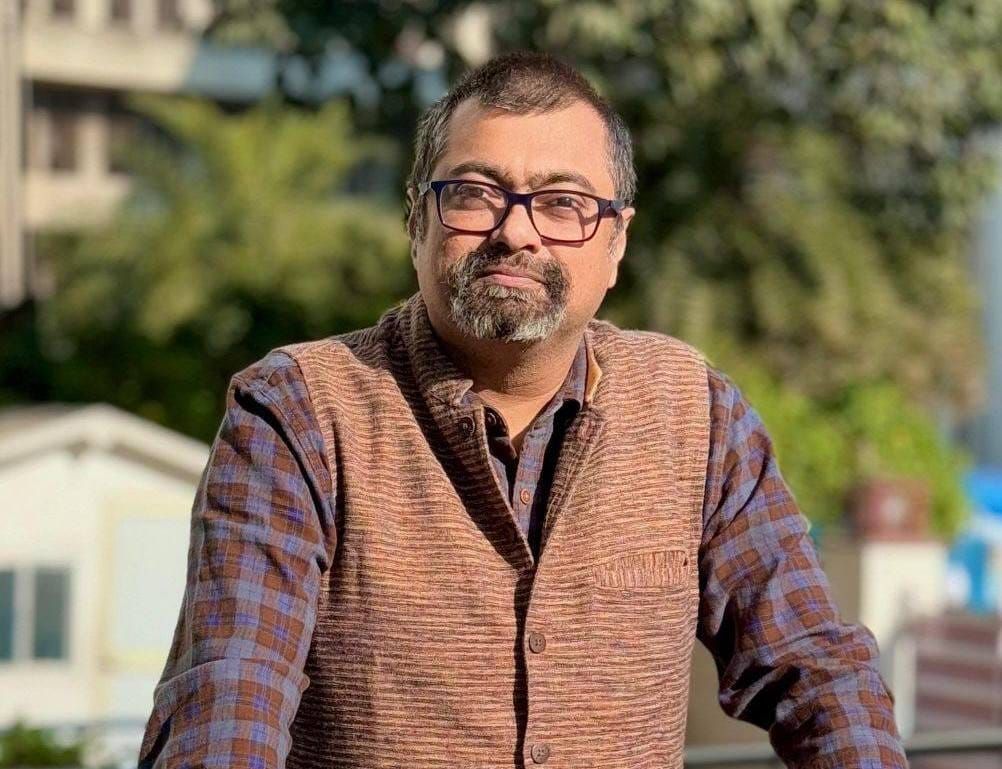
Subhro Bandopadhyay (seudónimo de Subhransu Banerjee) nació en Calcuta, India, en 1978. Hizo estudios universitarios de biología y español. Empezó a publicar poesía en revistas bengalíes importantes antes de cumplir dieciocho años. Ha publicado hasta la fecha cinco poemarios en bengalí y, en traducción al español, La ciudad leopardo (Olifante, 2010), Poemas metálicos (Amargord, 2014), Sumar sal (El Sastre de Apollinaire, 2018), El presente bajo luz agrietada (RIL editores, 2025). Recibió la Beca Internacional Antonio Machado de Creación Poética (2008) en España, y el Premio Nacional de Escritores Jóvenes de la Academia Nacional de Letras de India (2013). Sus poemas han sido traducidos a otras lenguas, entre otras, inglés, hindi, árabe, alemán, gallego y maratí. Ha sido invitado a diferentes eventos literarios, como el Festival Internacional de Poesía de Medellín (Colombia), Expoesía (España), el Jaipur Literature Festival (India) y la FIL Guadalajara (México). Participó en el proyecto Poetry Connection India-Wales, organizado por Literature Across Frontiers y British Council, en 2017. Actualmente reside en Nueva Delhi, donde es profesor de español en el Instituto Cervantes.
Subhro Bandopadhyay (pseudonym Subhransu Banerjee) was born in Kolkata, India, in 1978. He studied biology and Spanish at university. He began publishing poetry in major Bengali magazines before he was eighteen. To date, he has published five collections of poems in Bengali and, in Spanish translation, La ciudad leopardo (Olifante, 2010), Poemas metálicos (Amargord, 2014), Sumar sal (El Sastre de Apollinaire, 2018) and El presente bajo luz agrietada (RIL, 2025). He received the Antonio Machado International Fellowship for Poetic Creation (2008) in Spain, and the National Young Writers Award from the National Academy of Letters of India (2013). His poems have been translated into other languages, including English, Hindi, Arabic, German, Galician and Marathi. He has been invited to different literary events, such as the Medellín International Poetry Festival (Colombia), Expoesía (Spain), the Jaipur Literature Festival (India) and the FIL Guadalajara (Mexico). He participated in the Poetry Connection India-Wales project, organized by Literature Across Frontiers and the British Council, in 2017. He currently resides in New Delhi, where he is a teacher of Spanish language at the Instituto Cervantes.
শুভ্র বন্দ্যোপাধ্যায়, জন্ম ১৯৭৮, কলকাতা। প্রকাশিত কবিতার বই ৫টি। বৌদ্ধলেখমালা ও অন্যান্য শ্রমণ কাব্যগ্রন্থের জন্য সাহিত্য আকাদেমির যুব পুরস্কার, পেয়েছেন মল্লিকা সেনগুপ্ত পুরস্কারও। স্পেনে পেয়েছেন আন্তোনিও মাচাদো কবিতাবৃত্তি, পোয়েতাস দে ওত্রোস মুন্দোস সম্মাননা। স্পেনে চারটি কবিতার বই প্রকাশ পেয়েছে। ডাক পেয়েছেন কলোম্বিয়ার মেদেইয়িন আন্তর্জাতিক কবিতা উৎসব, স্পেনের এক্সপোয়েসিয়া, ও জয়পুর লিটেরারি মিট সহ বেশ কিছু আন্তর্জাতিক সাহিত্য উৎসবে। অংশ নিয়েছেন Poetry connections India-Wales প্রকল্পে। দক্ষিণ আফ্রিকার কবি আরি সিটাস, ও স্পেনের কবি ফেরমিন এররেরোর সঙ্গে লিখেছেন যৌথ কাব্যগ্রন্থ। কবিতা অনূদিত হয়েছে স্প্যানিশ, ইংরেজি, আরবি সহ নানা ভাষায়। বর্তমানে ইন্সতিতুতো সেরবান্তেস নতুন দিল্লিতে স্পেনীয় ভাষার শিক্ষক।
https://tienda.rileditores.com/q/detalle?p2_id=55366