
Glosario - Huang Fan
Nunca podremos hacernos amigos de las cucharas. / Las contemplamos con honda emoción al sorber sopa. / Ensalzamos nuestras ropas mientras ellas se vacían / derramando esas delicias expoliadas al mundo. /
Glosario
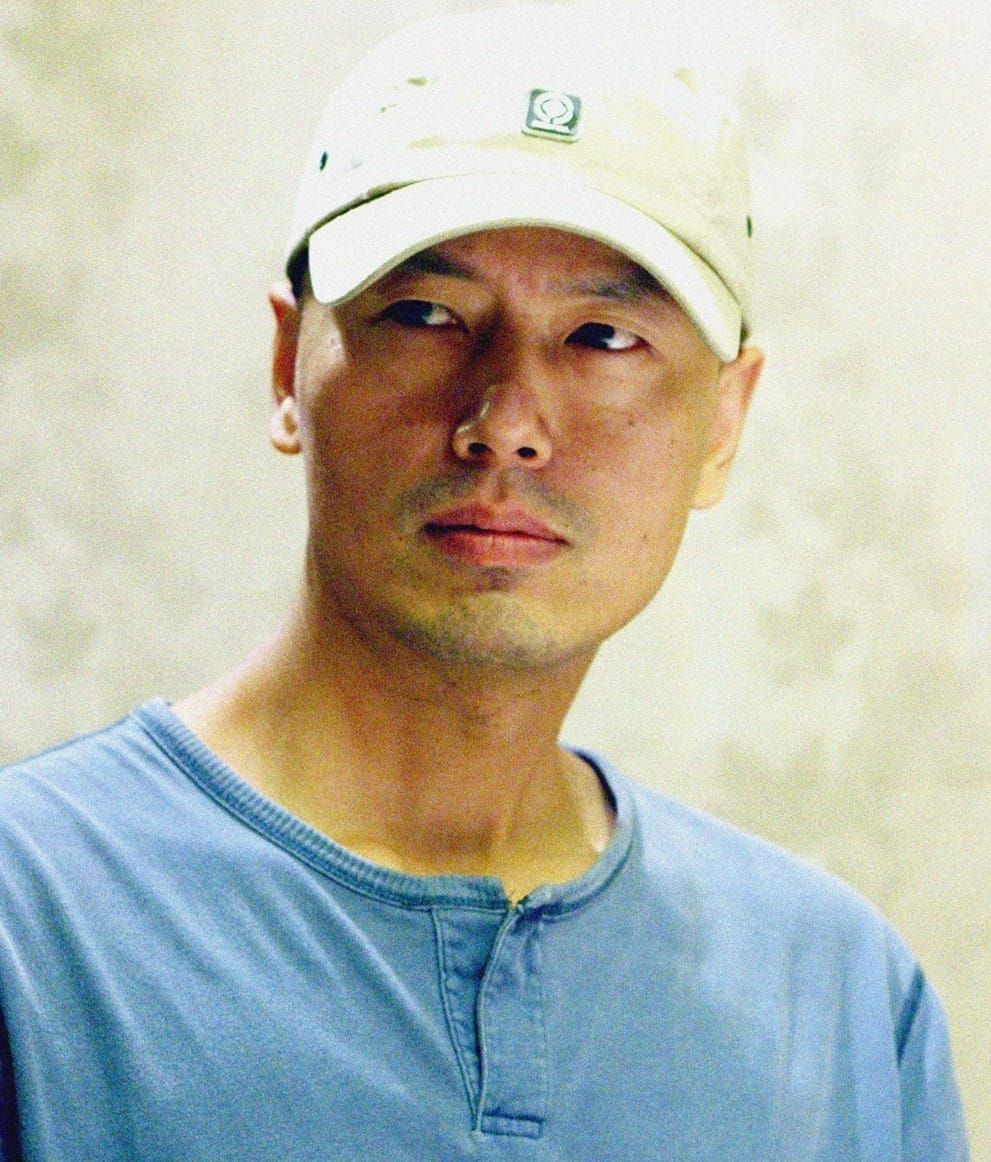
Huang Fan / 黃帆
GLOSARIO
Nubes: todas las formas de hablar del mundo.
Ciudad: un lugar para almacenar todos los problemas del mundo.
Amor: refleja todos los estados de ánimo de la luna.
Policía: quitar el aspecto sombrío de cierto mes.
Moralidad: la verdad que uno no puede soportar recordar en la mediana edad,
de la que podríamos deducir una esposa, trabajo duro y una sonrisa.
Poesía: el cementerio que un poeta pasa toda su vida rehabilitando.
Polvo: siempre y cuando no dejes de revolverlo, tal vez llegue la buena suerte.
Soledad: cada sonido es como el grito de un pájaro herido.
Libertad: el vaciamiento de estar perdido tras completar el trabajo duro.
Puerta: ¿qué queda a salvo una vez que está abierta?
Contentamiento: no sufrirás pérdida ni ganancia si nada te pertenece.
Cuchillo: la forma de conversación que va directa al grano.
Descubrimiento: para los tradicionales, una mera articulación de un tema doloroso.
Dialecto: unas pocas nubes estériles flotando en el cerebro de un poeta.
(Traducción al español de Ricardo Díez Pellejero)
GLOSSARY
Clouds—all the ways of talking about the world
City—a place for storing all the world’s troubles
Love—reflects all the moods of the moon
Police—take away a certain month’s gloomy looks
Morality—the truth that one cannot bear to recall in middle age, from which can be deduced a wife, hard labor, and a smile
Poetry—the cemetery a poet spends his whole life refurbishing
Dust—as long as you don’t stop stirring it up, maybe good luck will come
Solitude—every sound is like the cry of an injured bird
Freedom—the emptiness of being at a loss after completing hard labor
Door—what can be safe once it is open?
Contentment—you will not suffer from loss or gain if nothing belongs to you
Knife—the form of conversation that goes right to the point
Discovery—nothing more than articulating a topic painful to the ancients
Dialect—a few infertile clouds floating from a poet’s brain
(Translated by John Balcom)
词汇表
云,有关于这个世界的所有说法
城,囤积着这个世界的所有麻烦
爱情,体现出月亮的所有性情
警察,带走了某个月份的阴沉表情
道德,中年时不堪回首的公理,从它
可以推导出妻子、劳役和笑容
诗歌,诗人一生都在修膳的一座公墓
灰尘,只要不停搅动,没准就会有好运
孤独,所有声音听上去都像一只受伤的鸟鸣
自由,劳役之后你无所适从的空虚
门,打开了还有什么可保险的?
满足,当没有什么属于你,就不会为得失受苦了
刀子,人与人对话的最简洁的方式
发现,不过说出古人心中的难言之隐
方言,从诗人脑海里飘过的一些不生育的云
*
CANCIÓN NOCTURNA DE NANKÍN
21:00
A la luna le brota un exuberante cabello negro
e impele a los hombres como polillas a la luz.
22:00
Somos los mayordomos de la noche
poniéndonos las gafas del uniforme.
23:00
Pisadas que irrumpen en un sueño
y se tornan golpes siniestros.
24:00
Nadie es más solitario que el insomne.
Los somníferos previenen la combustión de la neurosis.
1:00
La raíz del árbol expele su pie
para zancadillear a un vagabundo noctívago.
2:00
Uno, ahora dos borrachos
derribados por la guadaña de la luna.
3:00
Una sombra monta guardia bajo la lámpara
deseando que un sueño descarriado la volatilice
4:00
El amor gatea a través de un sueño,
cura sus heridas con rocío.
5:00
La Vía Láctea se evade discretamente de sus esposas
y esposa a esos estudiantes empollando.
6:00
Un amanecer desvergonzado
comienza a designar a sus burócratas.
(Traducción al español de Ricardo Díez Pellejero)
NANJING NIGHT SONG
21:00
The moon sprouts lush black hair
And lures men like moths to light
22:00
We’re night’s butlers
Putting on our uniform goggles
23:00
Footsteps barge through a dream
And turn into sinister knocking
24:00
Nobody’s lonelier than the insomniac
Sleeping pills prevent neurosis combustion
1:00
The tree root kicks its foot out
To trip a night wanderer
2:00
One, now two drunks
Felled by the moon’s scythe
3:00
A shadow stands guard under the lamp
Wishing a stray dream would evaporate it
4:00
Love crawls through a dream
Salves its wounds with dew
5:00
The Milky Way slips out of its handcuffs
And cuffs those students cramming
6:00
A shameless sunrise
Begins to appoint its bureaucrats
(Translated by Margaret Ross)
南京夜曲
二十一点
月亮开始长出乌亮的长发
让男人着迷,如同灯
让蛾子着迷
二十二点
我们——黑夜的仆人
一同戴上它的墨镜
二十三点
脚步声闯进了梦里
成为阴险的敲门声
零点
没有谁比醒着的人更孤独
安眠药,只是不让焦虑爆炸
一点
树根翘起腿来
绊倒了一个夜行者
两点
一个,两个,醉鬼
被月亮的银斧
劈倒
三点
灯下站岗的影子,多么想
被飞翔的梦蒸发
四点
在梦里爬行的爱情
用露珠舔着伤口
五点
银河开始碎成锁链
锁住了晨读的学子
六点
旭日不知羞耻
开始颁发它的委任状
*
CUCHARAS
Nunca podremos hacernos amigos de las cucharas.
Las contemplamos con honda emoción al sorber sopa.
Ensalzamos nuestras ropas mientras ellas se vacían
derramando esas delicias expoliadas al mundo.
Una cuchara prefiere una cavidad vacía, incluso de ojo, que pueda cotejarnos desde su cuenca.
No quiere leer los epitafios del menú.
A veces creo escuchar a una cuchara describir su pueblo —perdido hace mucho tiempo—,
el río ennegrecido por una mina que solía hacerse eco de los pájaros carpinteros.
No importa cuántas cucharas compremos, no podemos apegarnos a ellas.
Una cuchara elige su cuenca vacía antes que confrontar nuestros ojos.
Quiere permanecer desnuda, no recogerá ni una sola brizna de hierba para calentarse.
Sólo levanta su voz pura para declarar su secreto en un cuenco de porcelana.
No recuerdo cuántas cucharas he comprado.
Estudio el lenguaje de las cuencas de este poeta ciego.
Comiendo sopa antes de ver una obra de teatro, intento que mi sorber cante
ese vasto sonido del interior de la cuchara.
(Traducción al español de Ricardo Díez Pellejero)
SPOONS
We can never befriend spoons.
We gaze at them feelingly, slurping soup.
We pile on clothes while they empty themselves,
pouring away those delicacies plundered from the world.
A spoon prefers an empty socket to the eye soup would pool for it.
It doesn’t want to read the menu’s epitaphs.
Sometimes, I think I hear a spoon describe its long-lost village—
the river blackened by a mine that used to echo with woodpeckers.
No matter how many spoons we buy, we can’t befriend them.
A spoon prefers its socket empty, doesn’t want to meet our eyes,
it wants to stay naked, won’t warm itself beneath a single blade of grass.
Its pure voice will only confide in a porcelain bowl
I don’t remember how many spoons I’ve bought.
I study the language of this blind poet’s sockets.
Eating soup before a night at the theater, I try to make my slurping sing
that vast sound of the spoon’s interior.
(Translated by Margaret Ross)
汤勺
我们和汤勺成不了朋友
哪怕喝汤时,我们深情地看着它
我们衣锦荣华,它却总把自己倒空
它要倒掉让地球变穷的山珍海味
它宁愿空着眼窝,也不要汤水给它眼睛
它拒绝阅读坟场一样的菜单
有时,我似乎听见它谈起久别未归的故乡——
那锈黑了河水的矿山,曾经是啄木鸟弹琴的琴房
我们买再多的汤勺,也和汤勺成不了朋友
它宁愿空着眼窝,也不想和我们交换眼神
宁愿不穿衣裳,也不拔一根草取暖
只愿用清脆的嗓音,和瓷碗谈心
我不记得,已买过多少汤勺
我努力学习,这空眼窝的盲诗人的语言
看戏之前,试着用喝汤的声音,道出它内心的巨响
**
Huang Fan. Nacido en 1963 en la provincia rural de Hubei, Huang Fan es un destacado escritor de poesía y ficción, conocido por su inquebrantable enfrentamiento a los temas contemporáneos en China con humor seco y lirismo oscuro. Sus colecciones de poesía en chino incluyen La Luna pierde el sueño, Elegías de Nanjing, Estremando una cuerda, La lluvia da pasos en el techo y yo soy una herida de la Tierra. Sus obras de ficción incluyen las novelas El undécimo mandamiento, Los colores flotantes, Hasta que la juventud desaparezca, la colección de cuentos, El maestro de la escuela de niñas y la colección de ensayos Deambular Chino. La 'Edad Media' se incluyó en Cien poemas para cien años de poesía moderna china, y el editor de United Daily News se refirió a él como el poeta de mayor interés para el lector taiwanés de la China continental. Cuando su novela El undécimo mandamiento se publicó por entregas en la sección literaria de Sina.com.cn, recibió más de 3 millones de visitas y fue calificada como una de las dos novelas de lectura obligada para los jóvenes. Sus premios incluyen el Premio de Buena Poesía de China, el Premio Literario de Poesía de Beijing, el Premio Literario de Poesía de Jinling, el Premio de Poesía entre los Diez Mejores de la Bienal de Fangcao, el Premio de Oro para Escritores de Cuentos Cortos, el Premio de Literatura de la Montaña Zijin, la Bienal China Houtian Premio de Cultura y Arte, y las obras de Huang Fan han sido traducidas al inglés, italiano, alemán, griego, francés, japonés, farsi y coreano.
La poesía de Huang Fan ha aparecido enGranta, Poesía, Push Open the Window (Copper Canyon 2011) y Un espacio público. y ha sido elogiada por poetas de habla inglesa estéticamente diversos como Robert Hass, Ron Padgett, Forrest Gander y J.H. Prynne. La publicación de High Pressure marcaría la primera colección completa de Huang Fan en los EE. UU. y alcanzó la importante misión de presentar a audiencias de habla inglesa más amplias el ingenio apasionado y la sabiduría de este poeta vital.
Los poemas de Huang Fan son tan inquebrantables como esclarecedores, escudriñando las realidades de la vida contemporánea con un lirismo oscuro y un humor seco. Entre los objetos cotidianos de la vida cotidiana —cucharas, palillos, palomas— sus poemas descubren resonancias sorprendentes y nos conducen a nuevos enfrentamientos con la historia, la política, la paternidad y el amor romántico.
Huang Fan. Born in 1963 in rural Hubei province, Huang Fan is a leading writer of poetry and fiction, known for his unflinching confrontation of contamporary issues in China with dry humor and dark lyricism. His poetry collections in Chinese include Moon Losting Sleeping, Elegies of Nanjing, Strumming a Rope, The rain makes footsteps on the roof and I am a wound of the Earth. His fictional works include the novels The Eleventh Commandment, The floating colors, Until Youth Disappears, the short story collection, Girls’ School Teacher and the eassy collection, Chinese Wander. 'Middle Age' was included in One Hundred Poems for One Hundred Years of Chinese Modern Poetry, and the editor of United Daily News called him the Mainland poet of most interest to the Taiwanese reader. When His novel The Eleventh Commandment was serialised in Sina.com.cn's literary section, it received over 3 million hits and was rated one of two “must-read” novels for young people to read. His prizes include the China Good Poetry Prize, the Beijing Literary Prize for Poetry, the Jinling Literary Prize for Poetry, the Fangcao Biennial Top Ten Prize for Poetry, the Writer's Golden Prize for Short Story, the Zijin Mountain Literature Prize, the Biennial China Houtian Culture and Art Prize, and Huang Fan’s works have been translated into English, Italian, German,Spanish, Greek, French, Japanese, Farsi and Korean.
Huang Fan’s poetry has been featured in Granta, Poetry, Push Open the Window (Copper Canyon 2011) and A Public Space and has been praised by English-language poets aesthetically diverse as Robert Hass, Ron Padgett, Forrest Gander and J.H. Prynne. The publication of Strumming a Rope would mark Huang Fan’s first full-length collection in the U.S. and would do the important work of introducing broader English-speaking audiences to the passionate wit and wisdom of this vital poet.
Huang Fan’s poems are as unflinching as they are illuminating, scrutinizing the realities of contemporary life with dark lyricism and dry humor. Among the ordinary objects of daily life—spoons, chopsticks, pigeons—his poems discover surprising resonances and lead us towards fresh confrontations with history, politics, parenthood and romantic love.
黄梵,1963年生。诗人、小说家。已出版《第十一诫》《月亮已失眠》《浮色》《南京哀歌》《等待青春消失》《女校先生》《中国走徒》《一寸师》《意象的帝国》《用绳子弹奏》《人性的博物馆》《阅读障碍》《日常的金字塔》《爱越界的酒神》《雨在屋顶踩出脚步声》等20余部著作。诗歌在海峡两岸广受关注,作品在联合报刊出后引起极大反响,被联合报副刊主编称为近年在台湾最有读者缘的大陆诗人。长篇小说处女作《第十一诫》在新浪读书原创连载点击率超过300万,被网络推重为新时期最值得青年关注的两部小说之一,已成为书写知识分子的当代经典。《意象的帝国》甫一出版,即受到众多读者追捧,其内容已进入各地中学语文试卷、大学教材。受邀参加斯特鲁加诗歌之夜、多伦多国际作家节、佛罗伦萨国际诗歌节、澳门国际文学节、新加坡“文学四月天”、珠江国际诗会、青海湖国际诗歌节、哈瓦那国际诗歌节、澳洲纽卡斯特作家节等。获紫金山文学奖等十余种文学奖,作品译成英语等十余种文字。诗歌收入英国百年老牌杂志《格兰塔》(Granta)2024中国文学专号“中国特刊”。