
El Viejo Salinero - Miao Kegou / 缪克构
Las costillas del abuelo ardían con fuerza en el horno. / El crujido de los granos de sal / bajo el sol abrasador resonaba en el aire. /
El Viejo Salinero
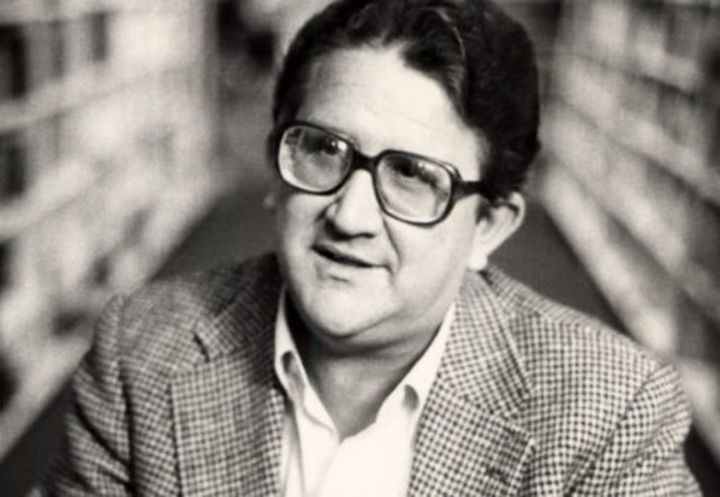
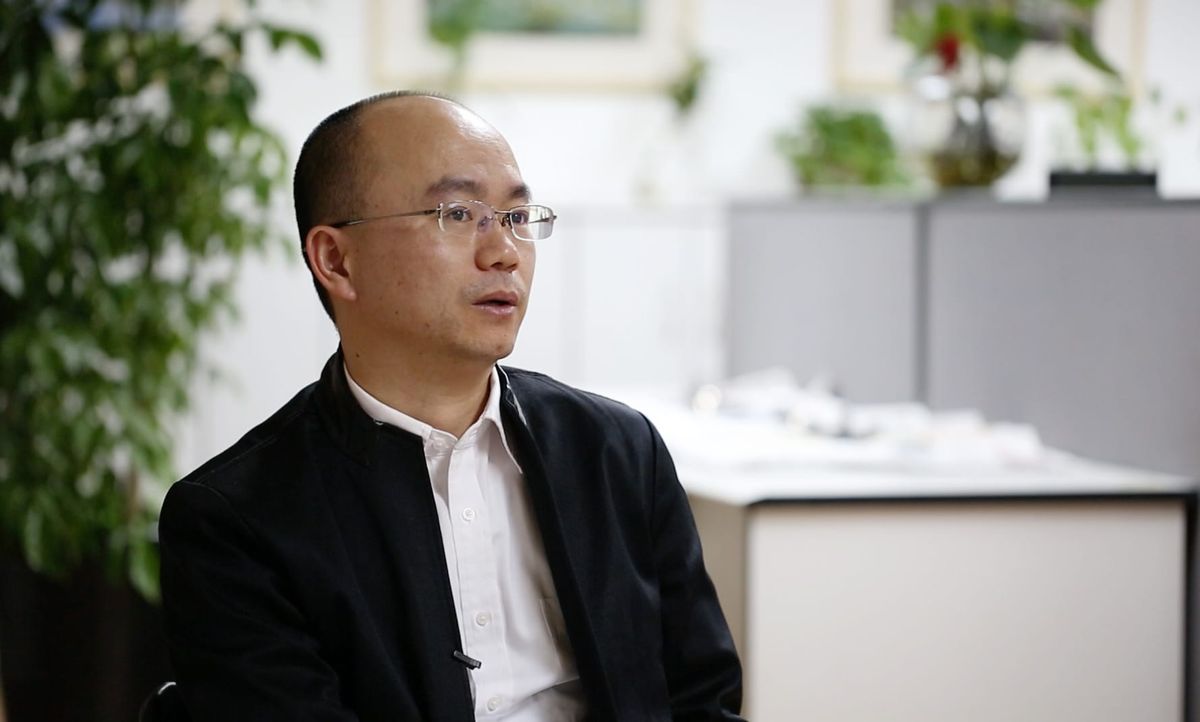
缪克构(Miao Kegou)
El Viejo Salinero
Las costillas del abuelo ardían con fuerza en el horno.
El crujido de los granos de sal bajo el sol abrasador resonaba en el aire.
Durante toda una mañana, incluyendo la hora del almuerzo,
sus descendientes esperaron mientras la salmuera de todo un océano
se secaba lentamente, hasta que las cenizas, como cristales de sal blanca,
espesas y pesadas, fueron depositadas en la urna.
"Tu viejo era increíblemente resistente",
se quejó el trabajador de la funeraria,
tomando la propina del sobre y entregándole
la cálida urna de mármol blanco.
El abuelo, este salinero casi centenario,
finalmente encontró la paz. El sol y el sudor de su cuerpo
se disolvieron en el humo, su propia sal se disolvió en el polvo.
Si alguien desmembrara los huesos del abuelo
y los hirviera en una sopa, no es exagerado decir que
podría producir la sal de todo el Mar de China Oriental.
Las marcas de látigo, las costras y los poros irritados de su cuerpo reventarían...
Solo de pensarlo se me llenan los ojos de lágrimas.
Sí, como descendiente de un trabajador de la sal,
tengo todos los motivos para ser tan salado.
The Old Salt Farmer
Grandfather’s ribs, burning fiercely in the furnace,
crackled the sound of salt crystals under the scorching sun.
All morning long, plus the delayed lunch hour,
his descendants waited as the seawater in him was slowly baked dry,
Until his ashes, glistening white salt crystals,
thick, heavy, and substantial, were placed into a box.
“Your old man was incredibly resistant to burning,”
The crematorium worker grumbled, accepting the tip in the envelope,
then handed over the warm white marble urn.
Grandfather, this nearly centenarian salt farmer,
finally found peace.
The sun and sweat on his body dissolved into smoke.
His own salt dissolved into dust.
If, hypothetically, Grandfather’s bones were boiled to make soup,
it’s no exaggeration to say
they’d yield all the salt of the East China Sea.
The whip marks, blood scabs, and angry pores on his body
would all burst forth…
Thinking of this, tears of salt well up in my eyes.
Yes, as a descendant of a salt farmer,
I have every reason to be this salty.
老盐民
祖父的肋骨,在炉火里熊熊燃烧
发出烈日底下盐粒爆裂的声响
整整一个上午,加上延后的午餐时间
子孙们在守候一个大海的盐水被慢慢烤干
直至骨灰如白花花的盐晶
厚实、凝重、沉甸甸地装进盒子
“你们的老爷子,实在太经烧了”
殡仪馆的炉工抱怨着,接过信封里的小费
然后递来温热的汉白玉骨灰盒
祖父,这个行将百岁的老盐民
终于安静了下来
他身上的太阳和汗珠化在了青烟里
自身的盐化在了尘埃里
如若,把祖父的骨头拆下来熬汤
毫不夸张地说,可以熬出整个东海的盐
祖父身上的鞭痕,血痂和愤怒的毛孔
都会决堤……
一想到这些,我的眼里就涌出大把大把的盐
是的,作为一个盐民的后代
我有理由这么咸
*
La Familia de la Sal
Mi padre también trabajaba en la industria salinera. A los dieciséis años,
sus huesos aún no se habían endurecido.
Guiaba a sus cuatro hermanos menores, caminando penosamente
bajo el sol abrasador, evaporando el agua del mar en finas capas de cristales de sal.
Los cinco cuerpos pequeños y delgados se secaron al sol
hasta convertirse en troncos oscuros y demacrados.
Podían incendiarse con la más mínima chispa y secar el río de un solo salto.
En la mediana edad, una enfermedad mortal finalmente los atacó.
Mi padre cayó, mi tercer tío cayó. Pero mi abuelo, este viejo salinero,
vivió hasta los cien años. Su cuerpo soportó demasiado sudor,
demasiadas lágrimas, todo forjando huesos indestructibles,
como el acero, inquebrantables e irrompibles.
Esta familia, agobiada por las dificultades,
luchó contra la pobreza y la opresión durante la primera mitad del siglo,
y luchó contra la enfermedad y el miedo durante la segunda mitad.
Esas tormentas furiosas no ofrecían ningún puerto seguro,
esas olas rompientes no ofrecían ningún consuelo suave,
solo la sal que desprendían, dejaba un regusto dulce.
The Salt Family
Father alsomade salt; at sixteen, with bones not hardened yet,
he led four younger brothers, trudging under the scorching sun,
evaporating seawater into thin layers of salt crystals,
Their five small thin bodies
were tanned into dark, lean wood under the sun,
ready to ignite at the slightest spark, dry up a river if soaked in.
In middle age, deadly diseases finally caught up.
Father fell ill, my third uncle too.
But Grandfather, the old salt worker, lived to a hundred,
He carried so much sweat and so many tears, all forged into immortal bones,
Like steel, unbending and unbreakable.
This family of suffering,
spent the first half-century battling poverty and oppression,
the second half-century fighting disease and fear.
Those turbulent waves wouldn’t offer you a safe harbor,
nor would those splashes of water provide gentle comfort.
Only the salt they produced,
Left behind a trace of sweet aftertaste.
盐的家族
父亲也晒盐,十六岁,骨头还没有长硬
他带着四个弟弟,在烈日下暴走
把大海里的水,蒸成薄薄的盐花
五个瘦小的身子骨
在太阳底下晒成又黑又瘦的木材
一点上火就能燃烧,一跳进河里就能把水吸干
到了中年,致命的疾病终于赶了上来
父亲倒下了,三叔倒下了
祖父这个老盐民,却活到了一百岁
他身上有太多的汗,太多的泪,都熬成了不朽的骨
像钢铁一般,不会弯曲和断裂了
这个苦难的家族
前半个世纪与贫穷和压迫斗争
后半个世纪,与疾病和恐惧搏击
那些惊涛,不会让你找到避风的港湾
那些浪花,也不会给你温柔的抚慰
只有那些交出去的盐
留下一丝甜蜜的回味
*
La orilla del mar
El barco es la segunda orilla del mar.
La tercera orilla del mar es la sal.
La orilla transporta a la gente a través de la tierra
para sobrevivir. El barco transporta los cuerpos.
Solo la sal transporta las almas.
Ir al mar es el barco; regresar es la sal. Cien años después,
mi abuelo comprendió esta verdad.
La sal, desde entonces, se liberó de sus ataduras.
El corazón también encontró su orilla.
Sin embargo, la tumba frente al mar
ahora está cubierta de hierba verde.
The Seashore
A boat is the sea’s second shore.
The sea’s third shore is salt.
The shore is the land that sustains life.
The boat is the carrier of body.
Only salt carries the soul.
Sailing out is by the boat, returning is the salt.
A hundred years later, Grandfather finally understood this truth.
Salt, from then on, was freed from its shackles.
And heart, too, found its shore.
Yet, the graves, facing the sea,
are already covered with lush green grass.
海的岸
船是海的第二条岸
海的第三条岸,是盐
岸,渡人生存的大地
船,渡人的躯体
只有盐,渡人的灵魂
出海是船,回头是盐
隔了一百年,祖父想清楚了这个道理
盐,从此被解下了绳索
心,也找到了岸
只是,面朝大海的坟茔
已长满了青青的墓草
*
Variación
El Abuelo tuvo una vida de sal secándose al sol,
Usándola para lavar la pobreza, las enfermedades ocultas y las incertidumbres.
Sus huesos albergaban la dureza del calcio.
Sus días eran amargos y astringentes, como el cloro y el sodio.
En su alma indomable
soportó subiendo y bajando inquieto con las mareas
Sus lágrimas fluían como las infinitas olas del mar
y surgían como la luz del sol en la cresta de una ola
Mmentras la risa era extraña,
Como suaves algas rozando
Este fue el destino de una familia
Y el destino de un pueblo costero.
A mayor escala, el destino de media provincia
Cuando regresé del Océano Pacífico, mirando desde el cielo
el mapa de mi ciudad natal, extendido como la palma de mi mano.
La melodía que sonaba en mi sangre seguía siendo la variación del mar.
Huí y regresé, me detuve y me levanté de nuevo.
La sal en mi cuerpo continuó preservando la aldea inmortal
Y la familia en la aldea, el destino dentro de la familia.
Variations
Grandfather, dried salt throughout his life
to cleanse poverty, ailments, and uncertainties.
His bones possessed the hardness of calcium.
His days held astringency and bitterness of chlorine and sodium.
In his unyielding soul,
he endured, fluctuating restlessly with tides.
His tears flowed, endlessly like waves of the sea,
and surged like sunlight on their crests.
Laughter was so scarce,
like soft seaweed brushing by.
This is the fate of a family,
the fate of a coastal village,
and, on a larger scale, the fate of half a province.
When I returned from the Pacific Ocean,
looked down at my hometown spreading out like a palm,
the variations of the sea still sang in my blood.
I fled and returned, lingered and rebelled.
The salt in my body still preserves the immortal village,
and the family within it, and the fate within the family.
变奏
祖父,晒了一生的盐
用来洗涤贫困,隐疾和变数
骨头里有着钙的硬质
日子里有氯和钠的涩与苦
在不屈的灵魂里
隐忍,在潮汐间起伏不安
泪水如大海的波涛般不竭
又如浪尖上的阳光翻涌
而欢笑是如此之少
如柔软的海草拂过
这是一个家族的命运
也是一个靠海的村庄的命运
往大里说,是半个省的命运
当我从太平洋上归来
在高空俯瞰故乡如手掌般伸出的地图
我的血液里弹唱的,仍是大海的变奏
我逃离又归来,逗留又逆袭
身体里的盐,仍在腌制不朽的村庄
和村庄里的家族,家族中的命运
*
(Traducción al español de Enrique Solinas)
(Traducción al inglés de Li Dan)
**
Miao Kegou, poeta y escritor, comenzó a escribir novelas en China en 1974. Sus principales poemarios hasta la fecha incluyen *La Flor Solitaria* (2003), *La Alquimia del Tiempo* (2015), *La Familia de la Sal* (2018) y *Solo los Barcos Lentos Llegan al Puerto* (2026). Otras obras incluyen selecciones de poesía, novelas y ensayos como "El Tambor del Pescador", "A la Deriva en una Botella", "El Hijo del Mar" y "El Grito de la Corvina Amarilla". Algunos de sus poemas y relatos se han traducido a varios idiomas y publicado en el extranjero.
Actualmente es miembro de la Asociación de Escritores de China. Sus obras más importantes han ganado numerosos premios, entre ellos el Premio inaugural a la Logro de la Poesía Oceánica de China, el primer y segundo premio del Premio de Noticias de China, el Premio de Oro para Suplementos de Periódicos Chinos, el Premio de Literatura de Shanghái y el Premio Taofen del Río Yangtsé de Shanghái.
Miao Kegou, a poet and writer, began writing novels in China in 1974. His major poetry collections to date include *The Solitary Flower* (2003), *The Alchemy of Time* (2015), *The Salt Family* (2018), and *Only Slow Ships Reach the Port* (2026). Other works include poetry selections, novels, and essays such as "The Fisherman's Drum," "Adrift in a Bottle," "The Son of the Sea," and "The Cry of the Yellow Corvina." Some of his poems and stories have been translated into several languages and published abroad.
He is currently a member of the China Writers Association. Her major works have won numerous awards, including the inaugural China Ocean Poetry Achievement Award, the first and second prizes of the China News Award, the China Newspaper Supplement Gold Award, the Shanghai Literature Award, and the Shanghai Yangtze River Pottery Award.
缪克构,诗人兼作家,1974年出生,1990年在中国开始创作诗歌和小说。迄今为止,他的主要诗集包括《独自开放》(2003)、《时间炼金术》(2015)、《盐的家族》(2018)和《只有慢船可以抵达》(2026)。其他作品包括小说和散文,如《渔鼓》《漂流瓶》《少年海》和《黄鱼的叫喊》。他的一些诗歌和小说已被翻译成多种语言,并传播到海外。
他目前是中国作家协会会员。主要作品曾荣获多种奖项,包括首届中国海洋诗歌成就奖、中国新闻奖、中国报纸副刊作品金奖、上海文学奖和上海长江韬奋奖。