
Poets: The Sons of Nature - Wu Si Jing / 吴思敬
Certain natural conditions create certain mindset. “The Book of Rites: On Music,” says, “The heart is touched because of the things surrounding it.” Here “the things” refer to all things in nature.
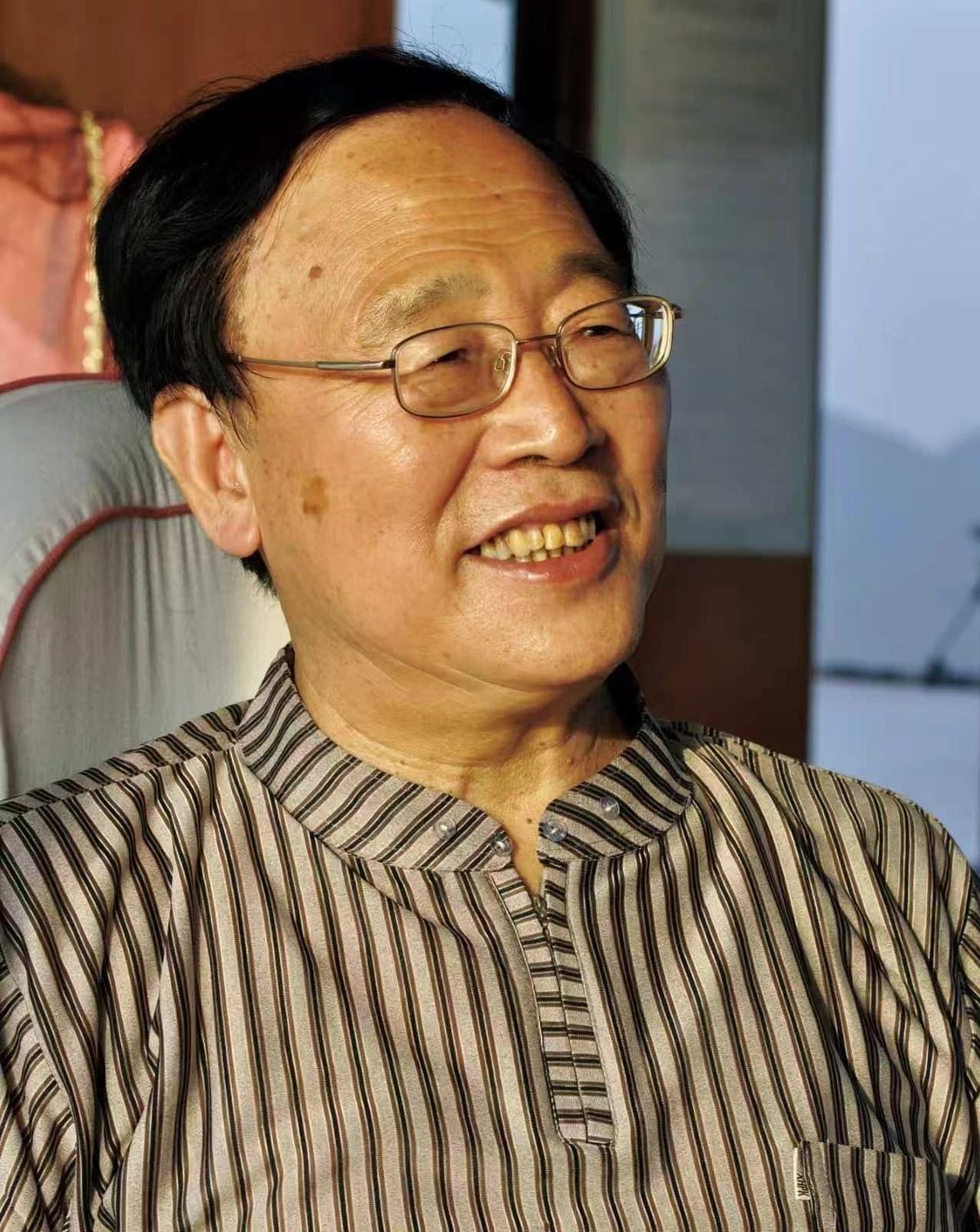
Wu Si Jing / 吴思敬
Poets: The Sons of Nature
Certain natural conditions create certain mindset. “The
Book of Rites: On Music,” says, “The heart is touched
because of the things surrounding it.” Here “the things”
refer to all things in nature. Nature not only provides the
basic living conditions for human beings, but also nurtures
human mind and intensifies human experiences and
feelings in a variety of ways.
Most poets regard nature as muse. An old saying
goes, “To get inspired, you can watch the swallow dance;
to find orders, you may watch the flowers bloom.” Nature
is like a mother who raises and enriches the poets with her
milk at all times.
Therefore, true poets are the sons of nature. They
have deep affection for her, looking up to her and treating
her with respect. In the eyes of the poets, humans are
connected to nature in variety of ways. The forests,
the valleys, the snowstorms and the waves … are all
languages of nature, through which it can communicate
with the poets, who are able to recognize her impulses and
hear her words. These kind of communication makes the
poets feel that all things living in nature have a soul of its
own. No matter how insignificant it is, there is a meaning
for its very existence.
We have exploited nature in the name of development;
we have experienced glories and failures in war-like
competitions; and we have been uprooted again and again
due to urbanization. … Having suffered and been tortured
both physically and spiritually thus far, we long for a
home return to nature — the birthplace of all life forms on
Earth.
The purity and beauty of the grand nature beckons
us. Compared to the uncertainty in the other world, or
a heavenly world where we assume all saints live, this
world of nature that we breathe in and deal with day and
night is what we can truly depend on. It’s the source of our
wisdom and the place where we can find our souls’ rest.
Nature serves as the motivation for poets, and is an
eternal subject in most poems. Any contemporary poem in
praise of nature is a search of the soul and a dialogue to bridge
the gap between human beings and nature. As the poets
grow old, what they have described in their poems keeps us
engaged and purifies the heart of the coming generation.
(Translated by Xu Qin)
诗人:自然之子
一定的自然环境会诱发一定的心理。《礼
记·乐记》云:“人心之动,物使之然”,这
里的“物”,即是种种自然风物的总称。自然
不仅为人类的生存提供了物质资源,而且启迪
了人类的智慧,开拓了人类的胸襟、熏陶了人
类的情感。诗人的创作大多离不开江山之助,
所谓“用笔不灵看燕舞,行文无序赏花开”。
大自然就像母亲一样以她的乳汁,滋润着诗人
的心灵。
真正的诗人都是“自然”的儿子,他们都
是怀着对自然的深情,用人的眼光、人的感情
来看待自然。在诗人看来,人和自然之间有相
通之处。自然能用其独特的语言同诗人交谈,
那幽深的森林、寂静的山谷、卷起绒毛似的雪
花的狂风、不停息地拍击礁石的海浪……诗人
仿佛都能从中感到自然的脉搏,听到自然的声
音。这种与自然的沟通,使诗人觉得自然界中
最微不足道的事物仿佛也有灵魂,有其内在的
意义。
在经历了对自然的掠夺性开发,经历了冰
冷残酷的竞争,经历了失去家园的漂泊无依,
经历了物质和精神上的种种困顿与苦难之后,
人们渴望回到生命与精神上最为古老的出生
地——自然界。自然界的阔大雄奇、清新纯净
深深地吸引着我们,相对于缥缈不定的彼岸世
界或是神仙聚集的蓬莱仙岛,与我们朝夕相处
的自然界是那样的真实可依,而它才是给予诗
人生命和智慧的源头活水,才是我们最终的信
仰与皈依。
自然既是激发诗人写作的动力,又是诗人
永恒的书写对象。当代的诗人们正在用诗歌书
写着身边的自然,他们对自然的由衷赞美和倾
情描写,在本质上都是在描绘他们心灵深处渴
望的生命归宿,在搭建起人类和自然对话的桥
梁。多年后当诗人老去,他们所描绘的自然物
象和深沉的情感仍会留在后世读者的心中,净
化着人类的心灵。
***
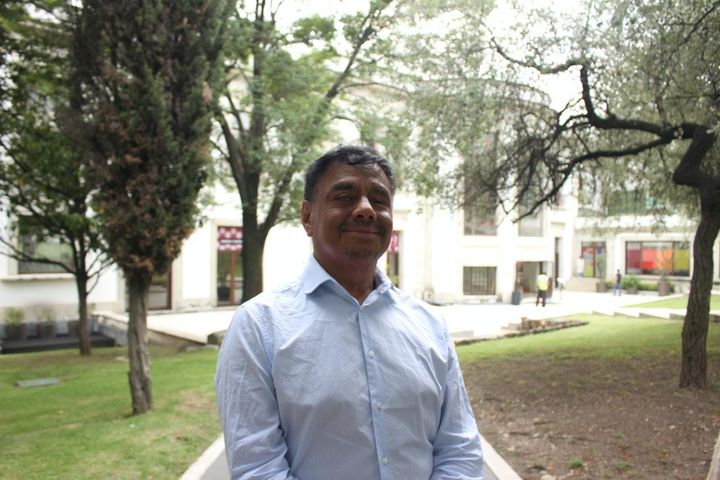
Wu Si Jing. Born in Beijing, Wu Sijing is a poetry critic. He is a professor, doctoral supervisor of the Faculty of Arts of Capital Normal University, Deputy Director of Research Center of China Poetry of Capital Normal University, Editor of “Poetry Exploring”, research consultant of Chinese Contemporary Literature, Vice Chairman of China Poetry Society. In August 2001, he received the "Special Government Allowance" issued by the State Council of the People's Republic of China. In September 2001, he was awarded the title of "National Excellent Teacher" by the Ministry of Education of the People's Republic of China. Mr Wu has been engaged in research of poetry theory and criticism of contemporary Chinese poetry.
吴思敬. 北京市人,诗歌评论家。现任首都师范大学文学院教授、博士生导师,首都师范大学中国诗歌研 究中心副主任,《诗探索》主编,中国当代文学研究会顾问,中国诗歌学会副会长。2001 年8月获得 中华人民共和国国务院颁发的“政府特殊津贴”。2001 年9 月获得中华人民共和国教育部授予的“全 国优秀教师”称号。长期从事诗歌理论研究和中国当代诗歌批评工作。