
Vienes del Populus euphratica y del tamarisco del desierto de Gurbantünggüt en Xinjiang; vienes de las cumbres nevadas de las montañas Tian Shan; vienes de la mirada esperanzada de una madre kazaja; vienes de los ojos penetrantes de tu padre.
Dos ensayos sobre poética
El sol ha prometido hacer el trabajo de la Lluvia
(Versión castellana de Luis Benítez)
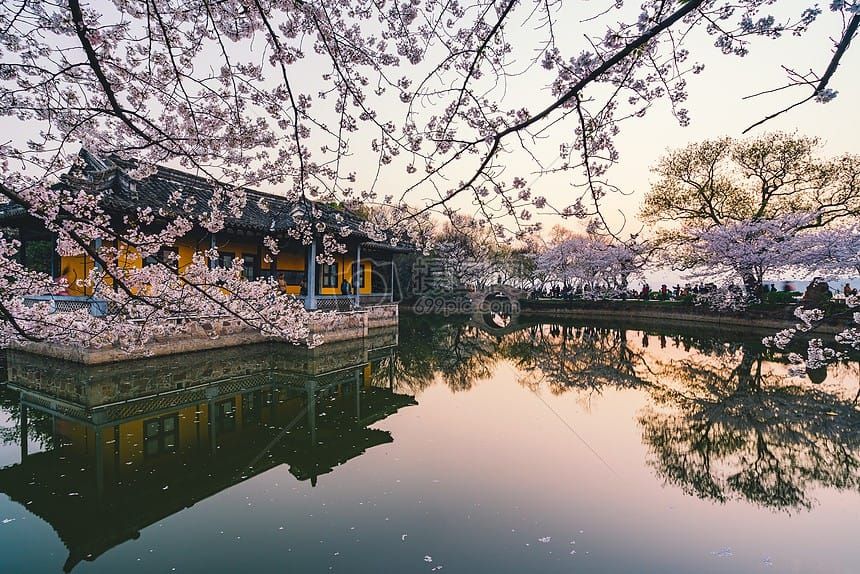
Vienes del Populus euphratica y del tamarisco del desierto de Gurbantünggüt en Xinjiang; vienes de las cumbres nevadas de las montañas Tian Shan; vienes de la mirada esperanzada de una madre kazaja; vienes de los ojos penetrantes de tu padre; vienes de Pingdingshan, Henan; vienes de las leyendas del lago Tai en Wuxi; vienes de las rosas, de los lirios, de las misteriosas fisuras de la tierra, de un corazón como una cueva que contempla las montañas desde debajo de las estrellas…
¡Qué magnífico es el mundo!
Sin embargo, eres tan insignificante como una gota de lluvia, un grano de arena.
Un individuo es tan frágil, una mota de polvo, un huevo de hormiga; tu imaginación debe aferrarse a una poderosa fuerza masculina. Admiras el sol, pero debes mantener la distancia; siéntelo, sí, pero jamás te abrases con su fuego.
La distancia engendra poesía; ese es el camino de la poesía, y prácticamente se ha convertido en tu credo estético.
Sientes una pasión especial por la lluvia: brota de tu propia sangre, la adoras y la anhelas. Tomas un puñado de lluvia y la saboreas. Te empapas de su irrigación celestial; tu alma, calada, penetra en tus ojos, tus huesos, tu corazón.
En Wuxi llueve todo el año. La lluvia existe como la poesía, la poesía existe como la lluvia. Te pierdes en ella. Sin embargo, ves que las propias creaciones de la lluvia acabarán abandonándola; como pájaros, extienden sus alas y vuelan lejos, y no puedes retenerlas. En días despejados, paseando junto al lago Tai o sentado en un banco junto al lago Lihu, tú también te conviertes en un pájaro. Una garza gris te habla: siempre fuiste parte del águila de las praderas de Xinjiang, y la garza proyecta esa parte en tus ojos.
Recuerdas los poemas que el lago Tai y Lihu alguna vez cantaron con tu voz: tu extenso poema El Jardín y el ciclo Camino a la Isla del Lago…
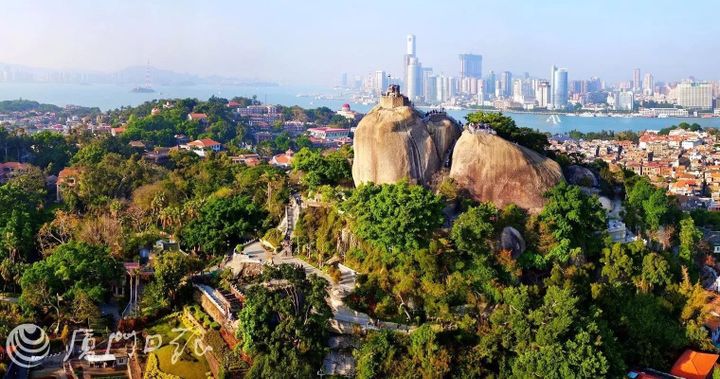
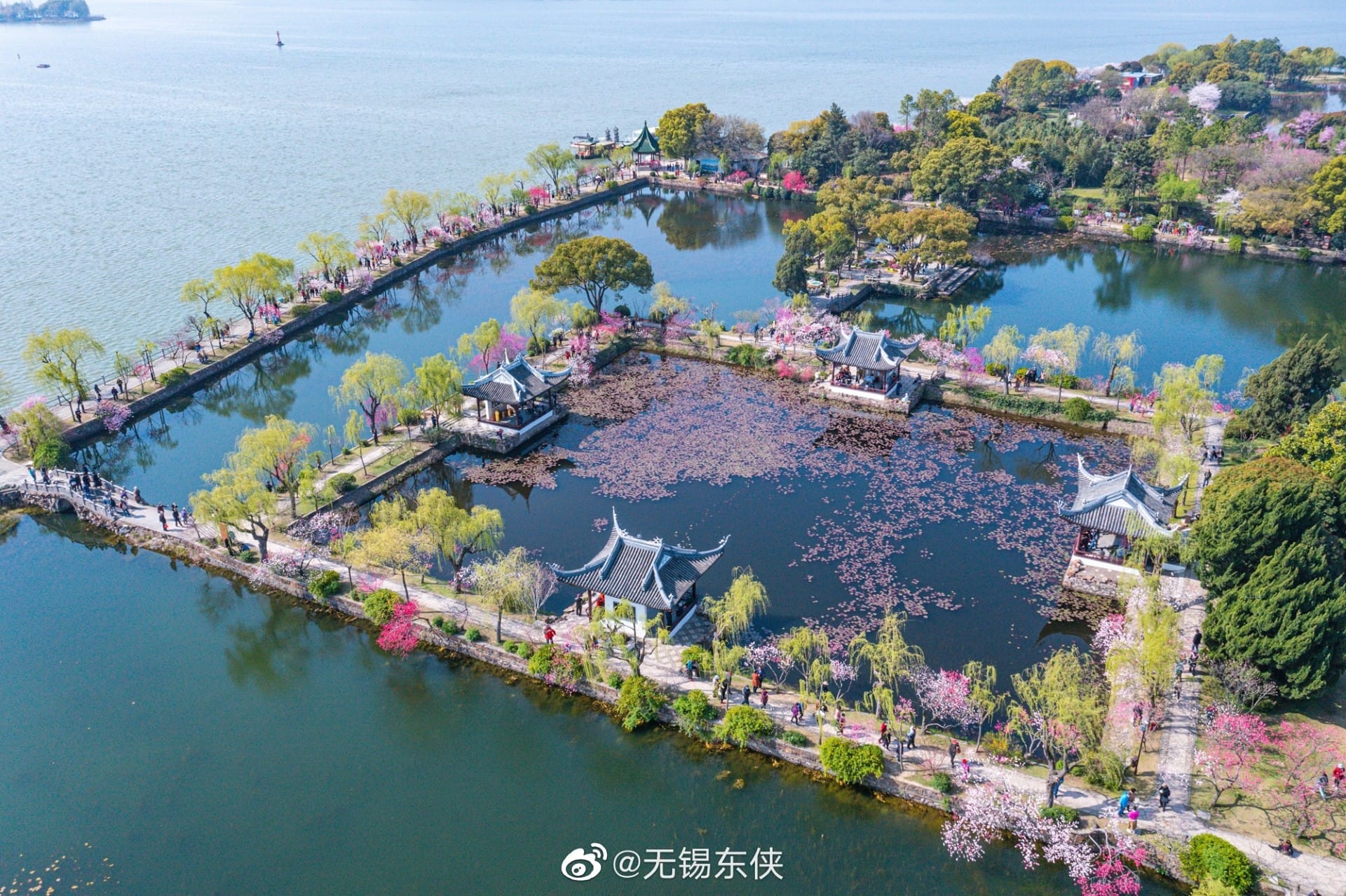
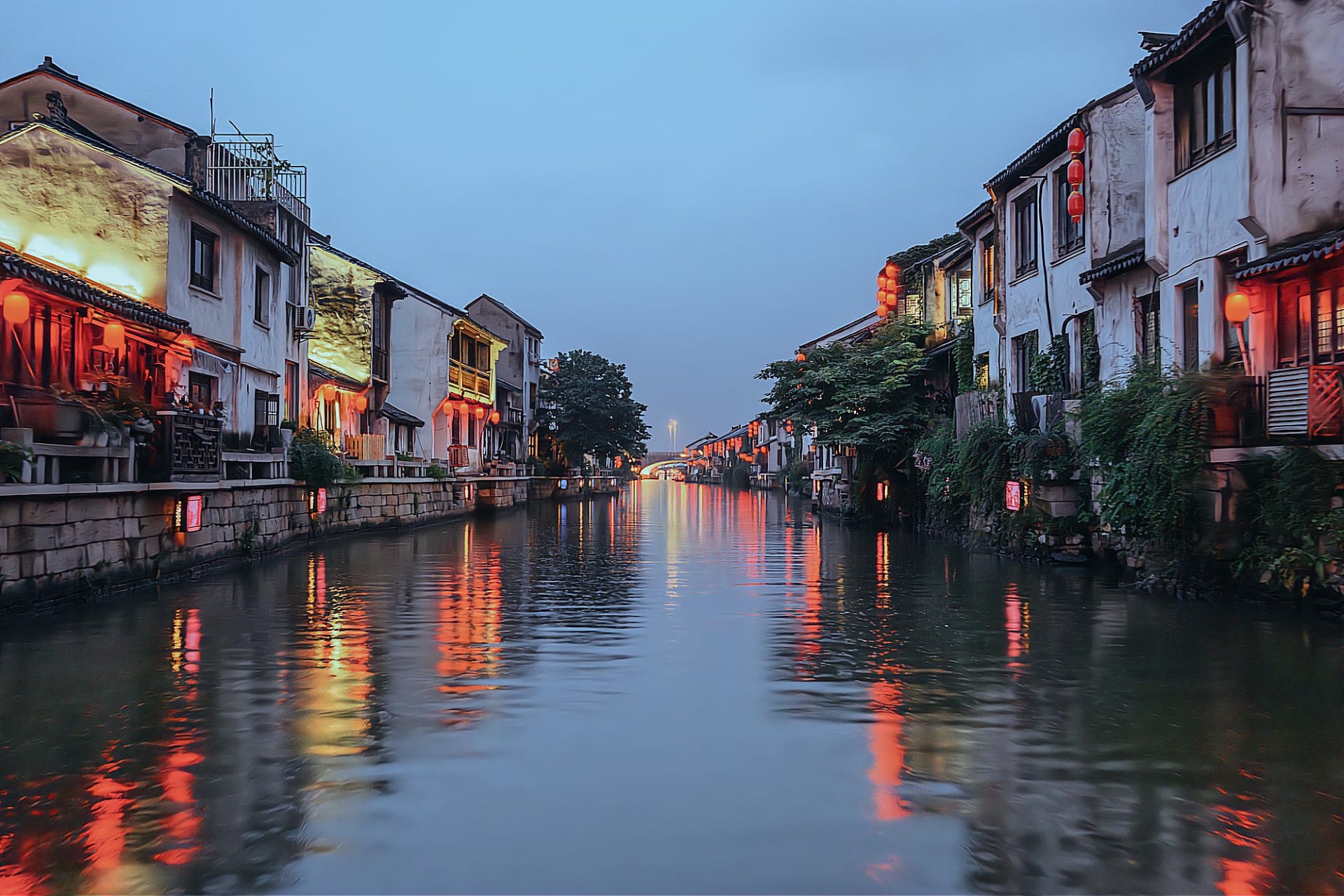
En Wuxi, la lluvia cae en todas las estaciones, otorgándote una profunda conexión con el agua. Esta ciudad, una joya singular, rebosa vitalidad económica y riqueza natural. Su casco antiguo se asienta al pie del monte Hui, abraza el lago Tai y está surcado por el Gran Canal, donde perdura el antiguo encanto de los pueblos ribereños: sus vestigios y ritmos. El distrito nuevo, junto al lago Li, alberga el centro financiero, el gobierno municipal y mucho más, impregnando toda la ciudad de calidez y agua. De Wuxi, este pueblo ribereño de Jiangnan, han surgido generaciones de poetas y literatos; su historia poética se remonta a mil seiscientos años, a la dinastía Jin Oriental. Wuxi posee una rica herencia poética y un linaje literario digno de admiración. En la poesía contemporánea, la ciudad también rebosa de diversas corrientes y voces destacadas, y tú has tenido la fortuna de formar parte de ellas, todo porque...
El sol ha prometido hacer el trabajo de la lluvia.
El sol es el destino de cada viaje que emprendes. Ese destino bien podría ser Wuxi, en el año 2005, cuando te mudaste aquí desde Pingdingshan, Henan. Once años después, tu poesía moderna alzó el vuelo aquí. La ciudad acuática moldeó el carácter urbano de Wuxi, del mismo modo que la poesía moldeó el tuyo. No sabes si los frutos de tu escritura, iniciada en la temporada de lluvias de 2011, son obra de la lluvia o creación tuya.
Desde la antigüedad, el diálogo empático entre la naturaleza y la humanidad nunca ha cesado. Te regocijas al formar parte de la gran naturaleza. A través de la poesía, has adquirido una naturaleza espiritual palpable, cognoscible y palpitante: una psique poética marcada por la civilización de las praderas de los kazajos de Xinjiang, la huella de la cultura de las Grandes Llanuras y, después de la mediana edad, la cultura Wu de tu vida establecida en Wuxi.
La función más importante de la poesía es la fusión.
La poesía es una construcción conjunta entre el yo y los demás, la naturaleza y el alma interior: un largo proceso de exploración, que conserva la duda y la autorreflexión, buscando claridad y luminosidad. Yeats dijo: «La poesía nace de la lucha con nosotros mismos; no necesita defensa, pues presenta su propia y poderosa defensa». Por supuesto, la poesía no se detiene ahí; su misión a menudo se revela en el propio proceso de exploración: una experiencia misteriosa. Lo que importa es sentir amor, experimentar incansablemente nuestra relación con el mundo, con los demás, con otras cosas; conectar con la naturaleza a través de nuestro singular vínculo lingüístico; dejar que lo desconocido surja con vigor; y volcarnos con mayor entusiasmo hacia ámbitos más amplios y vitales de la existencia y la vida.
La verdadera poesía es una expresión honesta del sufrimiento.
El lenguaje correcto es la esencia de una vida correcta.
¿Te has desviado demasiado? ¿O estás en el camino correcto? Ah, no, lo «correcto» es sospechoso. ¿Cuántas veces lo «correcto» de hoy se ha convertido en lo «incorrecto» de mañana? ¿En qué se basa la cognición poética? ¿El corazón? ¿Y de qué se nutre el corazón para convertirse en un corazón verdaderamente poético? Esta es la pregunta que siempre te has esforzado por explorar.
¿Cuántos lugares —dentro o fuera del alcance de tu tinta— no han tocado aún tus emociones, razón, intuición y percepción? No tienes forma de saberlo. El mundo es un enigma, la mente ilimitada, y la indeterminación del lenguaje poético hace que tu curiosidad nunca haya disminuido. Hasta el día de hoy, mantienes una pasión explosiva por escribir poesía.
La poesía es una máquina de movimiento perpetuo que enciende tu vibrante fuerza vital, nutre tu existencia y se convierte en el sentido mismo de tu vida.
«No hay mejor hogar que la poesía». A menudo te lo murmuras al despertar con la primera luz del día.
Ninguna eternidad en el universo puede gobernarlo todo.
Ningún destino en la vida está predestinado a ser el tuyo.
No crees en ese dios llamado Destino; ¡es simplemente una mirada que diriges a tu sombra mientras realizas tus tareas diarias!
Tú eres tu propio destino. Abrazas todo lo que eres y te fundes con tus canciones y versos.
Quizás eres parte de tu destino poético, o tu destino poético es tu totalidad, y ahora miran expectantes a este mundo, listos para ser puestos a prueba por él.
No te detengas. Tu viaje poético no tiene fin, solo el olvido y el recuerdo…
En el espejo del destino, ves la sombra de tu alma: ese pilar de luz, más grande y más alto que el corazón, respira y fluye dentro de tu vida. Sus magníficas olas, como el calor húmedo de la temporada de lluvias de Wuxi, chocan incesantemente contra tu gran corazón sufriente, que se inclina y serpentea hacia adelante.
El cuerpo es solo una expresión del alma.
El cuerpo no se origina en el alma. ¿Y acaso el cuerpo necesita ser descifrado? ¡Claro que no! Esos pájaros vuelan desde tu cuerpo hacia el nido del alma.
Aprende a ver el cuerpo con los ojos del cuerpo, a ver las palabras con los ojos de las palabras. Y la forma de tu vida es tu duro estrato rocoso; mirando desde ese estrato hacia la vida, ¿qué ves? A veces te pierdes en algún lugar difícil; te asfixias, casi mueres, y es la poesía la que te salva.
Diseccionar la vida es difícil, pero el lenguaje puede llegar a cualquier parte de la vida y resolver esa dificultad. Sin embargo, no es fácil discernir si la vida es un conjunto de números o un terreno fértil. La tecnología moderna tampoco te dará una respuesta satisfactoria. Solo el perdón, la redención, el amor y la calidez construyen tus defensas de belleza interior, una tras otra, poema tras poema, y así es precisamente como están escritas.
Aún quedan preguntas. Tu vida está hecha de preguntas. Las preguntas son como llaves que abren los mecanismos del mundo, conduciéndote ante la poesía y adentrándote en el funcionamiento interno del mundo y del corazón humano.
También está la dulzura del idealismo, como guijarros de colores bajo el lecho cristalino del alma, acurrucados en tal silencio, calentándose mutuamente. Solo los ves a la luz del sol; no poseen luz propia. En la noche oscura, esos guijarros son simplemente parte de las corrientes negras que te arrastran hacia el borde de un precipicio:
El precipicio del lenguaje, con el sol sobre tu cabeza.
Algunas palabras dicen «no» como un cuchillo. ¿Acaso debe trazarse la hoja sobre la textura de la realidad? Una respuesta dice «no». Ese «no» que construye el engaste de diamante completo de tu lenguaje, ese «no» que emerge de las capas de drenaje del tiempo, llevando contigo tu percepción del mundo y la fuerza de tu alma, junto con la fricción de la indiferencia de la tierra ante la ganancia y la pérdida, como un pegamento fuerte, te moldea a ti y a tus poemas, poema a poema, cada uno un guijarro claro en el lecho del río del alma, como una cascada lingüística que lleva tu aliento y tu espíritu, cayendo en cascada hacia el lugar desde donde partiste por primera vez de tus tres tierras de origen: Shihezi en Xinjiang, Pingdingshan en Henan y Wuxi en Jiangsu.
El sol es tu vasto poema, la lluvia su melodía, y esa melodía es un gran águila, que ahora vuela fuera del cañón del sueño de sol y lluvia, dirigiéndose hacia donde quiere ir…
28 de junio de 2026
Soltar y empezar
No te imaginas la alegría que me producen los lirios: su exquisita esencia interior, 奇特构造 su singular estructura, su aura serena, tan pura y libre de cargas, como si fueran encarnaciones vivientes del Buda. ¡Así de bello puede ser el Buda! Veo una reliquia desnuda, reposando en una cámara de deleite.
Del corazón de cada flor se extienden nectarios de unos treinta centímetros de largo, con estambres ovalados y mazales; de sus centros, el polen rezuma un néctar dulce y fragante, y también un despertar que gotea sobre los pétalos inferiores… Pruébalo: el néctar es verdaderamente dulce, pero el despertar es amargo, como miel envenenada, que se esparce por mi garganta, permaneciendo un instante en mis labios y dientes, pero solo por un instante, como el amor, no para siempre. Y así escribí «Observando el lirio».
El paso del tiempo y el ritmo de la vida —lo inefable hecho expresable— se unifican en la belleza contrastante de los estambres y la delicada estructura de los pétalos. La sinestesia y la empatía siguen despertando un mundo desconocido; el tejido más fundamental de la poesía surge precisamente de esta zona gris invisible e intangible.
Durante un tiempo, la riqueza de los lirios casi me volvió loca. Me miraban como hechiceras, conversando conmigo, como un ser alegre —etéreo, puro, infantil— entregándome todo. ¿Convertirme en ellas? No, convertirme en mí misma.
El camino invisible es el más largo. Partimos y llegamos, pero todo es temporal. Para la poesía, ni la eternidad ni el final existen realmente. Eso basta.
Veo enjambres de abejas revoloteando alrededor de los lirios, con el lomo cubierto de polen, como campesinos que llevan cosechas doradas de arroz. Pero permanezco impotente, con una hoja de papel en blanco a mi lado, tan vasta como la tierra y el cielo. No sé dónde está el límite de la tierra, ni dónde termina el cielo. Sostengo mi pluma y me quedo allí.
Como los lirios me miran, así los miro yo a ellos, invitándolos a florecer en mi papel, no en el jardín donde ahora residen. Ahora, cada día, invito a los lirios a mi hogar: esta compañera dulce como la miel.
El amor profundo es venenoso.
A estas alturas, el jardín de lirios se ha convertido para mí en algo que debo dejar ir. Antes de abandonarlo, ya estoy en los albores de un nuevo comienzo.
— 5 de enero de 2024
Ayi Guli: Two Essays on Poetics
The Sun Has Promised to Do the Rain’s Work
You come from the Populus euphratica and tamarisk in the Gurbantünggüt Desert of Xinjiang; you come from the snowy peaks of the Tianshan Mountains; you come from a Kazakh mother’s hopeful gaze; you come from your father’s eagle-sharp eyes; you come from Pingdingshan, Henan; you come from the legends of Lake Tai in Wuxi; you come from roses, from lilies, from the earth’s mysterious fissures, from a heart like a cave peering down at the mountains from under the stars…
How magnificent the world is!
Yet you are as insignificant as a raindrop, a grain of sand.
An individual is so frail, a mote, an ant’s egg—your imagination must cling to a mighty masculine force. You admire the sun, but you must keep your distance—feel it, yes, but never be scorched by its fire.
Distance breeds poetry—that is the way of poesy, and it has all but become your aesthetic creed.
You have a special passion for rain: poured from your very blood, adored and longed for. You cup a handful of rain and taste it. You soak in the rain’s celestial irrigation; your soul, drenched, enters your eyes, your bones, your heart.
In Wuxi, it rains all year round. Rain exists like poetry, poetry exists like rain. You are lost in it. Yet you see that the rain’s own creations will eventually leave the rain—like birds, they spread their wings and fly away, and you cannot hold them. On clear days, strolling by Lake Tai or sitting on a bench by Lihu Lake, you too become a bird. A grey heron speaks to you—you were always part of the eagle of the Xinjiang grasslands, and the heron casts that part into your eyes.
You recall the poems that Lake Tai and Lihu once lent your voice to chant—your long poem The Garden and the cycle On the Way to the Lake Island…
The rain falls through every season in Wuxi, bestowing upon you a profound kinship with water. This city, a pearl of its kind, brims with economic vitality and natural bounty. Its old quarter rests its head against Mount Hui, cradles Lake Tai in its deep embrace, and is threaded by the Grand Canal, where the ancient charm of the water towns—its relics and rhythms—mostly lingers. The new district, nestled by Lake Li, houses the financial hub, the municipal government, and more, suffusing the entire city with warmth and water. From this Jiangnan water town of Wuxi have emerged generation after generation of poets and men of letters; its recorded history in verse reaches back sixteen hundred years to the Eastern Jin dynasty. Wuxi possesses a rich poetic heritage and a literary lineage not to be underestimated. In contemporary poetry, too, the city teems with diverse schools and distinguished voices—and you have been fortunate enough to take your place among them, all because—
The sun has promised to do the rain’s work.
The sun is the destination of every journey you undertake. That destination may well be Wuxi, in the year 2005, when you moved here from Pingdingshan, Henan. Eleven years later, your modern poetry took flight here. The water town shaped Wuxi’s urban character, just as poetry shaped yours. You do not know whether the fruits of your writing, begun in the rainy season of 2011, are the rain’s doing or your own creation.
Since ancient times, the empathetic dialogue between nature and humanity has never ceased. You rejoice in being part of great nature. Through poetry, you have acquired a felt, knowable, breathing spiritual nature—a poetic psyche marked by the grassland civilization of the Xinjiang Kazakhs, the imprint of Central Plains culture, and, after middle age, the Wu culture of your settled life in Wuxi.
Poetry’s greatest function is fusion.
Poetry is a co-construction between the self and others, nature, and the inner soul—a long process of exploration, retaining doubt and self-reflection, speaking for clarity and brightness. Yeats said: “Poetry comes from the quarrel with ourselves—poetry needs no defence; it presents its own powerful defence.” Of course, poetry does not stop there; its mission often reveals itself in the very process of exploration—a mysterious experience. What matters is to feel love, to tirelessly experience your relationship with the world, with others, with other things; to connect with nature through your unique linguistic data link; to let the unknown happen with vigour; and to turn more eagerly to broader and more vital realms of existence and life.
True poetry is an honest expression of suffering.
Correct language is the core of a correct life.
Have you strayed too long? Or are you on the right path? Ah, no—“right” is suspect. How many times has today’s “right” become tomorrow’s “wrong”? What does poetic cognition rely on? The heart? And what does the heart rely on to become a truly poetic heart? This is the question you have always exhausted yourself to explore.
How many places—within or beyond your ink’s reach—have your emotions, reason, intuition, and perception not yet touched? You have no way of knowing. The world is an enigma, the mind boundless, and the indeterminacy of poetic language means your curiosity has never waned. To this day, you still maintain an explosive passion for writing poetry.
Poetry is a perpetual-motion machine that ignites your vibrant life force, nourishes your existence, and becomes the whole meaning of your life.
“There is no home better than poetry.” You often murmur this to yourself in the first morning light upon waking.
No eternity in the universe can govern all.
Nor is any fate in life destined to be yours.
You do not believe in that god called Fate—it is merely a glance you cast toward your shadow as you go about your daily work!
You are your own fate. You embrace everything about yourself and become one with your songs and verses.
Perhaps you are part of your poetic fate, or your poetic fate is your entirety—and they are now looking expectantly at this world, ready to be tested by it.
Do not pause. Your poetic journey has no end—only forgetting and remembering…
In the mirror of fate, you see the shadow of your soul—that pillar of light, greater and higher than the heart, breathes and surges within your life. Its magnificent swells, like the humid heat of Wuxi’s rainy season, ceaselessly, relentlessly crash against your great suffering heart, which bends and meanders forward.
The body is only one expression of the soul.
The body does not originate from the soul. And does the body need decoding? Of course not! Those birds are flying out of your body toward the soul’s nest.
Learn to see the body with the body’s eyes, to see words with the eyes of words. And your life’s form is your hard rock stratum—looking from that stratum into life, what do you see? Sometimes you get lost in some hard place; you suffocate, you almost die—and it is poetry that saves you.
Dissecting life is difficult, but language can reach anywhere in life and solve that difficulty for you. Yet it is not easy to tell whether life is a set of numbers or a fertile soil. Modern technology will not give you a satisfying answer either. Only forgiveness, redemption, love, and warmth build your defences of inner beauty—one after another, poem after poem—and that is precisely how they are written.
There are still questions. Your life is made of questions. Questions are like keys that unlock the world’s mechanisms, bringing you before poetry and into the inner workings of the world and the human heart.
There is also the sweetness of idealism—like colourful pebbles beneath the clear stream bed of the soul, huddled together in such silence, warming each other. You see them only by the sun’s light; they do not possess light of their own. In the dark night, those pebbles are merely part of the black currents, carrying you toward the edge of a cliff—
The cliff of language, and the sun above your head.
Some words say “no” like a knife. Must the blade be drawn on the texture of reality? One answer says “no.” That “no” that constructs your language’s full diamond setting, that “no” that emerges from the drainage layers of time, carrying your perception of the world and the force of your soul, together with the friction of the earth’s indifference to gain and loss—like strong glue, it shapes you and your poems, poem by poem, each one a clear pebble in the riverbed of the soul’s stream, like a linguistic waterfall carrying your breath and spirit, cascading toward the place where you first set out from your three original homelands—Shihezi in Xinjiang, Pingdingshan in Henan, and Wuxi in Jiangsu.
The sun is your vast poem, the rain its melody, and that melody is a great eagle-bird, now flying out of the canyon of the sun-rain’s dream, heading toward where it wants to go…
June 28, 2026
Letting Go and Beginning
You cannot imagine how much joy the lilies bring me—their exquisite inner being, their奇特构造 (unique structure), their untroubled aura, so pure and unburdened, as if they were living incarnations of the Buddha. So the Buddha can be this beautiful! I see a naked relic, resting in a chamber of delight.
From the heart of each flower extend nectaries some thirty centimetres long, with eggshaped, clublike stamens; from their centres, pollen oozes sweet and fragrant nectar—and also awakening, which drips onto the petals below… Taste it: the nectar is truly sweet, but the awakening is bitter, like poisoned honey, scattering through my throat, lingering a moment on my lips and teeth—yet only for an instant, like love, not for a lifetime. And so I wrote Observing the Lily.
The passage of time and the rhythm of life—the unspeakable made speakable—are unified in the contrasting beauty of the stamens and the fine structure of the petals. Synaesthesia and empathy keep awakening an unknown world; the most fundamental fabric of poetry grows precisely from this invisible, intangible grey zone.
For a while, I was nearly driven mad by the richness of the lilies. They gazed at me like enchantresses, conversing with me, like a joyful being—otherworldly, pure, childlike—giving everything to me. Become them? No, become myself.
The road unseen is the longest road. We set out and arrive—but all is temporary. For poetry, neither eternity nor an end truly exists. That alone is enough.
I see swarms of bees circling the lilies, their backs dusted with lily pollen, like peasants carrying golden harvests of rice. But I stand helplessly by, a blank sheet of paper beside me, vast as the earth and as the sky. I do not know where the earth’s edge lies, nor where the sky ends. I hold my pen and stand there.
As the lilies look at me, so I look at them, inviting them to bloom on my paper, not in the garden where they now reside. Now, every day, I invite the lilies into my home—this honeylike companion.
Deep love is poisonous.
By now, the lily garden has become for me a thing to be let go of. Before leaving it, I am already in the dawn of another beginning.
— 5 January 2024
诗学随笔两篇
太阳承诺了雨的工作
你从新疆古尔班通古特沙漠中的胡杨、红柳中来,你从天山的雪峰中来,你从哈萨克妈妈的期盼中来,你从爸爸雄鹰般的眼睛中来,你从河南平顶山来,你从无锡太湖的传说中来,你从玫瑰中来,你从百合中来,你从大地神秘的裂隙中来,你从星空俯瞰群山时洞穴一样的心中来.......
世界多么壮丽!
而你渺小如一滴雨,一粒沙。
个体如此弱小,小如微尘蚁卵,你的想象必须依附在强大的雄性力量上面。你仰慕太阳,但必须保持足够远的距离,只能感知,不能被它的火灼伤。
距离生成诗,这是诗道,也几乎成了你的审美态度。
你对雨情有独钟,心血浇铸,倾慕与热爱。你掬一捧雨,尝一尝它的味道。也沉浸在雨来自天庭的浇灌中,喝饱雨的灵魂,入眼,入骨,入心。
无锡一年四季下雨,雨如诗般的存在,如存在般的诗。你沉迷其中。但你看到雨的作品终将离开雨,像鸟儿一样,展翅高飞,你是抓不住的。晴朗的日子里,漫步在太湖边,抑或在蠡湖岸边的长椅上坐下,你也变成了一只鸟,一只叫灰鹭的鸟和你说话,你本来就是新疆草原雄鹰的一部分,灰鹭把这部分投射到你的眼神中。
你想起了那些太湖、蠡湖借你之口吟唱的诗歌,你的长诗《花园》和组诗《在去湖心岛途中》......
一年四季下雨,无锡给了你与雨之间厚重的机缘。这座明珠一样的城市,经济发达,自然资源丰富,老城区头枕惠山,深拥太湖、京杭大运河穿城而过,水乡的古韵遗迹,大多在这个区域。新城区依傍蠡湖,金融中心、市政府等都在这个区域,整座城市充满了温情和水。江南无锡水乡走出了一代又一代文人墨客,有诗歌记载的历史可追溯到1600年前的东晋年间,无锡有丰厚的诗歌底蕴,也有不可小觑的文脉源流。无锡的当代诗歌创作更是流派纷呈,名家辈出,你有幸成为他们其中的一位,全因——
太阳承诺了雨的工作。
太阳是你全部启程所要抵达的地方,这个地方也许就是无锡,时间是2005年,你从河南平顶山移居无锡。十一年后,你的现代诗创作在这里启程。水乡塑造了无锡的城市气质,正如诗歌塑造了你的气质一样。你并不知道2011年自雨季开始的诗歌写作,那些果实,是雨的工作成果呢,还是你的创造。
自古至今,自然与人的移情对话从没有间断过,你庆幸成为伟大自然的一部分,通过诗歌写作,你拥有了一个可感、可知、可呼吸的心灵自然,这个诗性心灵中,有新疆哈萨克族草原文明痕迹,有中原文化的烙印,也有中年定居无锡后吴文化的印迹。
诗歌最伟大的功能就是融合。
诗歌是诗与人、与自然、与他者、与自我心灵的共建。这是一个漫长探索的过程,保持怀疑和自我反省,为光明和清澈发言。诗人叶芝说:“诗,来自自身的争辩,诗不需要辩护,诗本身呈现了强大的辩护。”当然,诗歌并不仅仅停留于此,诗歌的使命常常在探索的过程中呈现出来,这是一个神秘的体验。重要的是体会爱,持续地不辞劳苦地体验你和世界、和他人、和他物的关系,与自然也要接通你独有的语言数据链,让未知的事物精力充沛地发生,更热切地关注更广大更重要的生存、生命领域。
真正的诗歌是对苦难诚实的表达。
正确的语言是正确生活的核心。
你是不是背离太久了?或是走在正确的路上?啊,不,“正确”是可疑的。此时的“正确”,成为彼时“谬误”的历史还少吗?诗性认知要依托什么?是心灵吗?那么心灵又依托什么才成为一颗真正的诗化心灵?这始终是你倾尽心力探索的问题。
你笔墨所及、或所不及之处还有多少你情感、理性、直觉、感知没有抵达的地方,你无从而知。世界如谜,心灵无涯,诗歌语言的不确定性,都使你的好奇心从没有衰减的迹象,至今,你依旧对诗歌写作保持着爆燃的热情。
诗歌是台永动机,激发你蓬勃的生命激情,涵养你的生命,也成为你生活全部的意义。
“没有比诗歌更好的家园”。你常常会在早晨醒来的第一缕晨曦中这样喃喃自语。
宇宙中没有一个永恒能统摄一切。
生命中也没有哪一种命运该是你的命运。
你不相信那个被称之为命运的神,它只是你每天迎向阴影工作时看去的一个眼神罢了!
你就是你自己的命运,你接纳自己的一切,与你的歌诗合二为一。
疑惑你是你诗歌命运的一部分,或者你的诗歌命运是你的全部,它们正期待地看向这个世界,接受世界的检验。
无须停留,你的诗歌旅程没有终点,只有遗忘与记起......
在命运的镜像中,你看到灵魂的影子,那个大于高于心灵的光柱在你生命中呼吸、起伏,它壮阔的波澜,如无锡雨季湿热气流一样不停地、持续地撞向你弯曲着、迂回着前行的大苦之心。
身体只是灵魂的表达方式之一。
身体本身并不来自灵魂。而身体需要解码吗?当然不需要!那些鸟正从你身体中飞出,飞向灵魂的巢穴。
要学会用身体的眼睛看身体,用词语的眼睛看词语。而生活形式就是你坚硬的岩层,从岩层看向生活,你看到了什么?你有时候会迷失在某一个坚硬的地方,你窒息,你快要死了,是诗歌拯救了你。
解剖生活是困难的,但语言可以抵达生活的任何地方,替你解决了这个困难。但要认清生活是一组数字、还是一片肥美的沃土,也不是那么容易。现代智能科技也不会给你提供一个满意的答案。只有宽恕,救赎,爱和温暖替你筑起了心灵美的防线,一道又一道防线,一首又一首诗,正是这样写成的。
还有疑问,你的人生由疑问构成。疑问像一把钥匙,打开世界的机关,让你来到诗歌面前,进入世界和人心的内部工作。
也有理想主义的甜,它们像心灵清泉河床下五彩斑斓的鹅卵石,那么寂静地抱团取暖,只是借助太阳的光,你才看到它们,它们并不拥有光。暗夜里,鹅卵石们只是暗黑水流的一部分,将你带向悬崖边上——
语言的悬崖,你头顶的太阳。
一些词像一把刀一样说“不”。必须要在现实的肌理上亮出锋刃吗?一个回答说“不”。构建你语言满钻的“不”,在岁月的引流层中脱颖而出的“不”,带着你对世界的感知和心灵的力量,与大地无所谓得失的摩擦力一起,强力胶般塑造了你和你的诗,一首一首诗,一颗一颗灵魂河床中澄净的鹅卵石,像带着你的呼吸和心灵的语言飞瀑,向你三个故乡启程的地方倾泻,你所有的启程,就是为了抵达,抵达你曾经启程的地方——新疆石河子、河南平顶山、江苏无锡。
太阳是你宽广的诗篇,雨是旋律,是一只叫雄鹰的大鸟,此刻正从太阳雨梦寐的峡谷中飞出,飞向它想去的地方......
2026年6月28日
放下和开始
你无法想象百合花给我带来多大的快乐,它美妙的内心,奇特的构造,自在的气息,空净,洒脱,活脱脱一佛陀转世。原来佛陀也可以这么美呀!我看到赤条条一舍利子,在欢心的密室里。
花朵核心伸出多个长约三十厘米的蜜腺,有卵状花蕊棒槌,芯中花粉溢出清香甜美的汁水,也有醒悟,滴在下方的花瓣上......尝一尝,汁水真甜呀,醒悟却是苦味儿的,毒蜜一样散落在我的喉腔,在我的唇齿间停留,但只是瞬间,如爱情,不是一辈子,于是,我写了《观百合花》。
时间的流转与生命的韵律,不可言说的言说,在花蕊和花瓣细部构造的对立之美中统一起来,有联觉和通感持续唤醒一个未知世界,诗性最根本的构成正是从这个看不见摸不着的灰色地带生长出来。
一段时间,我快被百合花的丰富性弄疯了,它尤物一样和我对视,与我交谈,如一个快乐的人——脱俗、纯真、赤子之心,全都给了我。成为它?不,要成为自己。
看不到的路是最远的路,我们启程又到达,可都是暂时的。对诗而言,永恒和终点都是不存在的。仅此而已,就已足够。
我看到成群的蜜蜂围着百合花飞,背上沾着百合的花粉,像一位农民背着他金黄的稻谷,而我却徒然地站在一旁,我身边是一张白纸,无比广大,如大地,亦如天空,我不知道大地的边缘在哪里,天空的尽头又在何方。我拿着笔,站在那里。
像百合花看我一样,我看它,邀请它开放在我的白纸上,而不是它此刻所在的花园里。如今,我每天都将百合花邀请到我家中,这个蜜一样的伴侣。
深爱是有毒的。
此刻百合花园已被我视为“放下之物”,在离开它之前,我已在另一个开始前的黎明中了。
2024年1月5日
***
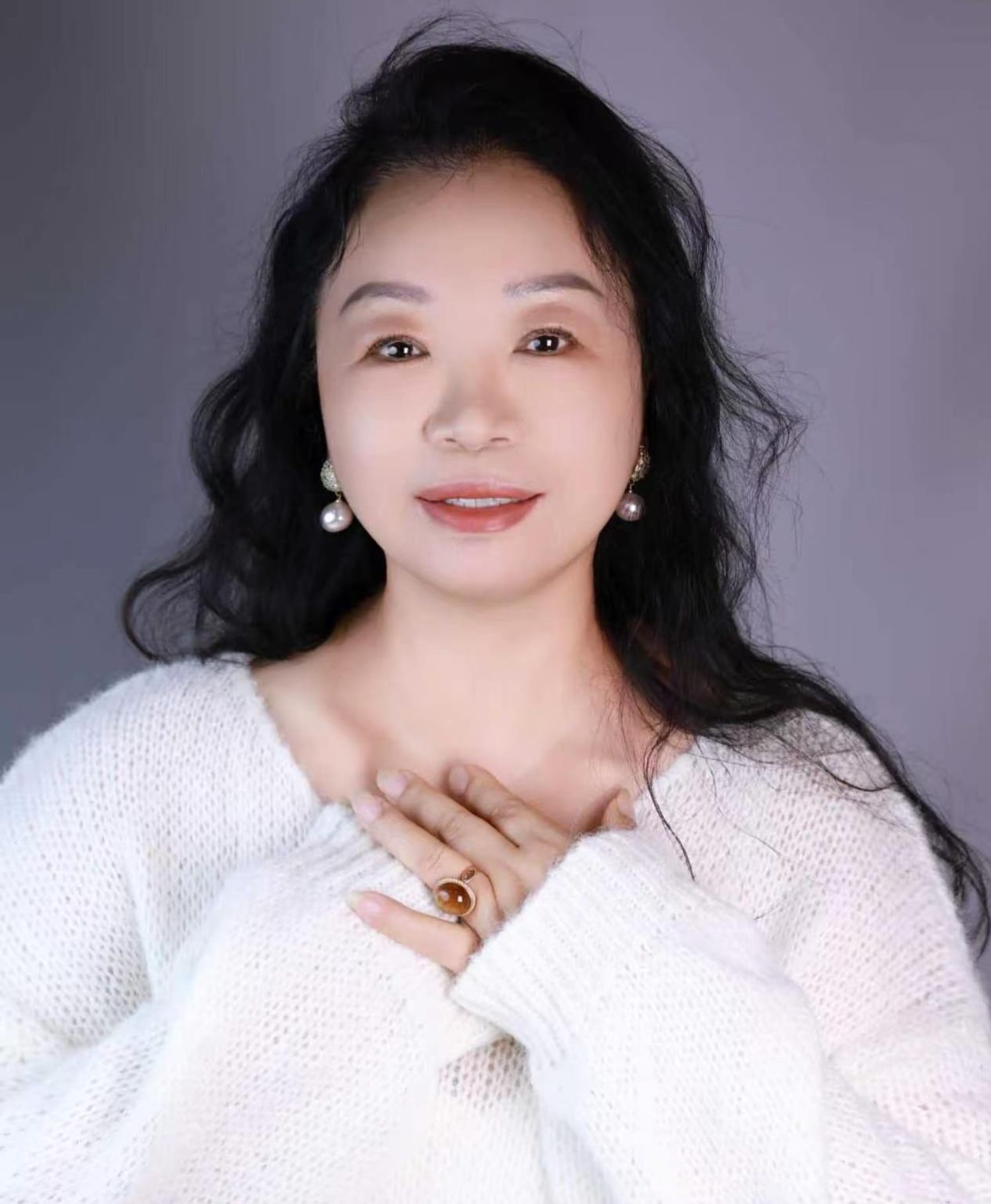
Ayi Guli, nacida en 1965 en la Granja del 148.º Regimiento de la Octava División Agrícola en Shihezi, Xinjiang (también conocida como Du Wanfeng), es una poeta y ensayista china contemporánea, y profesora invitada en la Facultad de Artes Liberales y Derecho de la Universidad Wuxi Taihu. Vivió en Pingdingshan, Henan, y actualmente reside en Wuxi, Jiangsu. Es miembro del Instituto de Poesía de China, vicepresidenta del Instituto de Poesía de Wuxi y subdirectora de la revista Driftwood Poetry Journal.
Suele emplear estructuras aforísticas, mantiene la disciplina del tono lírico convencional y defiende las connotaciones racionales ocultas en las formas perceptivas (como señaló Chen Yaping). Sus obras han aparecido en revistas como Stars, GreenWind, Shanghai Literature, Shanghai Poets, Mangyuan, Taihu, Hanhai Chao y Women’s Literature, y han sido seleccionadas para incluirlas en decenas de antologías. Ha publicado poemarios como «Pon la armónica en los labios» (China Yanshi Press, septiembre de 2025), «El jardín» (China Youth Publishing Group, julio de 2019), «Paisajes dentro del cuerpo» (Guangming Daily Press, enero de 2016) y la colección de poemas y ensayos «La luna en flor» (China Federation of Literary and Art Circles Press, febrero de 2016). También es la editora jefe de «Joyas de la poesía china mundial», volumen 1. Su obra autobiográfica en prosa «Mi padre y mi madre» ganó el premio «China Prose Huabiao Award» en 2019; su poema «Viendo» recibió el tercer premio en el Concurso Nacional de Poesía y Pareado «Yunlin Ode» en 2024. Su extenso poema «El jardín» fue reconocido como «Buena poesía china» por la Red de Poesía China en 2019. En 2025, participó en el Festival Internacional de Poesía de Shanghái, y sus obras fueron traducidas al inglés y al español para su intercambio y publicación.
Ayi Guli, born in 1965 at the 148th Regiment Farm of the Eighth Agricultural Division in Shihezi, Xinjiang (also known as Du Wanfeng), is a contemporary Chinese poet and essayist, and a guest professor at the School of Liberal Arts and Law, Wuxi Taihu University. She once lived in Pingdingshan, Henan, and now resides in Wuxi, Jiangsu. She is a member of the Poetry Institute of China, Vice President of the Wuxi Poetry Institute, and Deputy Editor-in-Chief of Driftwood Poetry Journal.
She often employs aphoristic sentence structures, maintains the disciplined measure of conventional lyrical tone, and champions the rational connotations hidden within perceptual forms (as noted by Chen Yaping). Her works have appeared in journals such as Stars,GreenWind,Shanghai Literature, Shanghai Poets, Mangyuan, Taihu, Hanhai Chao, Women’s Literature, and have been selected for dozens of anthologies. She has published poetry collections including Put the Harmonica to the Lips (China Yanshi Press, September 2025), The Garden (China Youth Publishing Group, July 2019), Landscapes Inside the Body (Guangming Daily Press, January 2016), and a collection of poems and essays The Moon in Bloom (China Federation of Literary and Art Circles Press, February 2016). She is also the chief editor of World Chinese Poetry Gems, Volume 1.
Her autobiographical prose piece My Father and My Mother won the "Chinese Prose Huabiao Award" in 2019; her poem Seeing received the Third Prize in the "Yunlin Ode" National Poetry and Couplet Competition in 2024. Her long poem The Garden was recognized as "China's Good Poetry" by the Chinese Poetry Network in 2019. In 2025, she participated in the Shanghai International Poetry Festival, and her works were translated into English and Spanish for exchange and publication.
阿依古丽,1965年出生于新疆石河子农八师148团军垦农场,又名杜万凤,中国当代诗人、随笔作家,无锡太湖学院文法学院客座教授。曾居河南平顶山市,现居江苏无锡市。中国诗歌学会会员,无锡市诗歌学会副会长,《漂木诗刊》副主编。
她常常采用箴铭式的句子结构,保持了常规抒情语调的严谨尺度,崇尚感性外形中隐藏的理性内涵(陈亚平语)。作品发表于《星星》诗刊、《绿风》诗刊、《上海文学》、《上海诗人》、《创世纪》、《莽原》、《瀚海潮》、《女子文学》、《散文》等,并先后入选各类选集数十种。已出版诗集《把口琴放到唇边》(2025年9月中国言实出版社)、《花园》(2019年7月中国青年出版社)、《身体里的风景》(2016年1月光明日报出版社),诗文集《开花的月亮》(2016年2月中国文联出版社)等。主编《世界华语诗萃》第1卷。
自传体散文《我的父亲母亲》2019年获“中国散文华表奖”;诗歌《看见》获2024年“云林颂”全国诗词楹联征稿活动三等奖。长诗《花园》2019年获中国诗歌网“中国好诗”。2025年,参加上海国际诗歌节,作品翻译成英文和西班牙文交流发表。