
No me lleves lejos- Marialuz Albuja / 玛利亚露丝·阿尔布哈·巴亚
quisiera atrapar con mis manos la China del Norte / sus restos fragmentados por la memoria / que no sabe volver al portal donde una joven asiática vendía bebidas / frente a los sumideros de la ciudad. /
No me lleves lejos
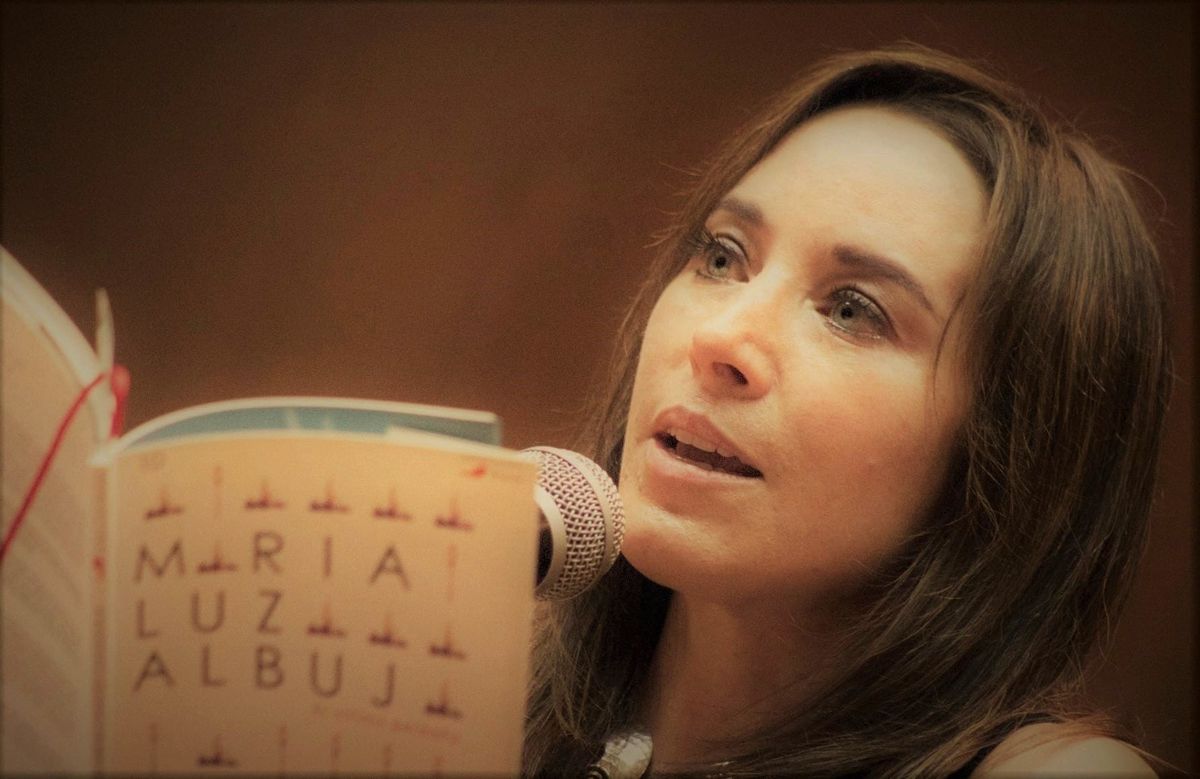
Marialuz Albuja / 玛利亚露丝·阿尔布哈·巴亚
天黑了,我投降了
我想拥抱中国北方
那变成记忆碎片的废墟
再也回不到那个门廊
曾经有一个亚洲女孩
在城市的排水沟前卖饮料。
我用相机记录下的城市
没有庞大现实的疯狂
没有街角垃圾堆的臭味
没有广场和人行道的喧嚣。
我动身去寻找线索
一场白色风暴从枝头抖落
像不可能降临于我眼中的雪。
我的左手戴着一枚戒指
我却感觉到了前所未有的孤独。
骑着单车在公交车间穿梭,看着水泥地上自己的倒影。
看着它在下水道边缘破碎
想知道是谁吞没了它。
再也无法回到从前
再也写不出同样的文字
再也不读书中的同一首诗。
其他人会占据它的位置
就像有另一个人占据了我的身体。
地底下沉睡着曾让我汹涌澎湃的激情
我在遥远亚洲的行人中寻找它
在夜晚的尽头
不停寻找
可当白昼回归
我的行迹已然消失。
Night falls and I surrender
I wish I could hold Northern China in my hands
its remains shattered by memory
unable to find its way back to the doorway where a young Asian woman
sold drinks by the city drains.
The city I captured in photographs
without the madness of its vast reality
without the smell of corners flooded with garbage
without the clamor of its squares and sidewalks.
I go looking for traces
and the branches release a storm of white flakes
like impossible snow in my eyes.
I wear a wedding ring on my left hand
but I feel lonelier than ever.
I ride my bike between city buses, watching my shadow on the asphalt.
I watch it break apart along the edges of storm drains
and wonder who swallows it.
I will no longer be who I was
I will never write the same words
I will never read the same poems again
others will take their place
just as someone else now inhabits my body.
Beneath the earth lies the intensity that once spilled out of me.
I look for it in those wandering through far-off Asia
I keep looking for it deep into the night
but daylight returns
and there’s no trace of me.
Anochece y me entrego
quisiera atrapar con mis manos la China del Norte
sus restos fragmentados por la memoria
que no sabe volver al portal donde una joven asiática vendía bebidas
frente a los sumideros de la ciudad.
La ciudad que detuve en fotografías
sin la locura de su realidad descomunal
sin el olor de sus esquinas inundadas de basura
sin el concierto de sus plazas y veredas.
Me lanzo a buscar indicios
y una tormenta de copos blancos se suelta desde las ramas
como nieve imposible en mis ojos.
Llevo un anillo de bodas en la mano izquierda
pero me siento más sola que nunca.
Pedaleo entre los autobuses y miro mi sombra reflejada en el asfalto.
La veo fragmentarse sobre los bordes de las alcantarillas
y me pregunto quién se la traga.
Jamás podré ser como antes
no escribiré ya las mismas palabras
no leeré los mismos poemas en un libro.
Otros ocuparán su lugar
como hay otra que ocupa mi cuerpo.
Debajo de la tierra descansa la intensidad que un día se me desbordó
la busco en los transeúntes del Asia lejana
la sigo buscando
al final de la noche
pero el día vuelve
y no hay rastro de mí.
*
寒冷刺骨
父亲,你已将我流放。
我想寻觅一处安身之地
却只寻得群山
你的房子就矗立在地平线上。
你不知道我已不是我了
很久以前,我独自等待一辆永不到达的列车
某天下午,我迷失在集市熙攘的人群中
我的嘴沉溺于水果的美味。
现在你赶我走
却不知道我已不是我了
很久以前,我就纵身跃入车轮之下
某天早晨在异乡醒来
空虚感再次袭来。
有时我的身体让我感到恐惧
它在我无法进入的地方呼唤我。
然而,流放和抛弃也可以是美丽的
就像被拳头击碎的玻璃上的血滴
就像我在黑暗中的痛苦。
当一切开始崩塌
痛苦可能会是承托我的土地。
你放逐了我,父亲。
这或许是公平的。
但很久以前我就不在乎了。
The cold scratches at my bones
father, you have exiled me.
I go looking for a place to stay
and find only the hills
where your house rises on the horizon.
You don’t know that I’m not myself
that I stayed behind
waiting for a train that would never come
that one afternoon in a crowded market
my mouth gave in to the pleasures of fruit.
Now you cast me out
but you don’t know that I’m not myself
that I jumped under the wheels of a car
that one morning I woke
and the emptiness was there again.
Sometimes I am terrified by my body
calling to me from a place I cannot reach.
And yet exile can be so beautiful
as drops of blood on glass shattered by a fist
as my pain in the dark.
It will be the ground that holds me
when everything else begins to sink.
You have exiled me, father.
It may be fair.
But I stopped caring long ago.
El frío me araña los huesos
padre, me has desterrado.
Voy en busca de un lugar para quedarme
y solo me encuentro con las colinas
donde se eleva tu casa en el horizonte.
No sabes que ya no soy yo
que hace tiempo me dejé esperando un tren que jamás llegaría
que una tarde me abandoné en un mercado repleto de gente
mientras mi boca se perdía en las delicias de la fruta.
Ahora tú me echas
pero no sabes que ya no soy yo
que hace tiempo me abalancé bajo las ruedas de un coche
que una mañana desperté en otra tierra
y volvió mi vacío.
A veces me espanta la noción de mi cuerpo
llamándome desde ese lugar al que no tengo acceso.
Sin embargo, pueden ser bellos el destierro y el abandono
como lo son las gotas de sangre en el cristal destrozado por un puño
como lo es mi dolor en la oscuridad.
Él será la tierra que me sostenga
cuando todo lo demás comience a hundirse.
Me has desterrado, padre.
Tal vez sea justo.
Pero hace tiempo que ya no me importa saberlo.
*
我顺流而下发现了这条路
我看到存放你影像的匣子
你烙印在我肋骨间的样子
当我们将过往的一切
关在门后
当我脱离你的母体 带走一个
错误的念头
当我去往世界的另一端
在迷雾背后
坠入深渊。
I let myself drift and discover the path
I find the box that keeps your image,
the one you pressed between my ribs
when we closed the door on everything we knew,
when I tore myself away from your womb
and remained with a broken idea,
when I went across the earth
and in the fog
I sank.
Me dejo llevar y descubro el camino
veo el cofre que guarda tu imagen
la que imprimiste entre mis costillas
cuando cerramos la puerta de todo lo que hasta entonces
habíamos conocido
cuando me desprendí de tu matriz y me quedé
con una idea equivocada
cuando me fui al otro lado del mundo
y detrás de la niebla
me hundí.
*
那时
在一个小小的办公室
西伯利亚的风寒冷刺骨
远离赤道的阳光,写着诗。
无所谓身处何方。
我在写诗。
And so
in a small office
soaked to the bone by Siberian winds
far from the equatorial sun
I wrote poems.
What does it matter now where.
I wrote poems.
Entonces
en una pequeña oficina
calada hasta los huesos con los vientos de la Siberia
lejos del sol ecuatorial escribía poemas.
Qué importa ya dónde.
Escribía poemas.
*
不要带我走远
在这里,我相信我是幸福的。
Don’t take me far away
here I can still believe I’m happy.
No me lleves lejos
aquí puedo creer que soy feliz.
[Translated into English by Michael L. Conway]
【中文译者 方妙红】
*
玛利亚露丝·阿尔布哈·巴亚(Marialuz Albuja Bayas)厄瓜多尔基多人。已出版诗集《橘子与大海》《我从月亮带来一道光》《盐之风景》《不可能的坡度》《微风之后》及《双刃》,小说《紧急情况下(请勿)打碎玻璃》《毛拉》和《我的(最)变态》。2017年,获马德里西班牙美洲文学学院颁发的达马索·阿隆索奖(文学创作类);2012年,获塞萨尔·达维拉·安德拉德诗歌奖荣誉提名;2008年,获厄瓜多尔文化部颁发的“文学项目奖”;2017年、2019年两度获得达里奥·格瓦拉·马约尔加国家小说奖。最新小说《我的(最)变态》由艺术大学出版社出版。诗集《双刃》入围何塞·桑托斯·乔卡诺伊比利亚美洲诗歌奖决赛,并由文艺复兴出版社(塞维利亚,2023年)出版。
Marialuz Albuja Bayas. Born in Quito, she is the author of the poetry collections Las naranjas y el mar, Llevo de la luna un rayo, Paisaje de sal, La pendiente imposible, Detrás de la brisa, and Doble filo. She has also published the novels En caso emergencia (no) rompa el vidrio, Maura, and Mi pe(o)rversión. In 2017, the Academia Hispanoamericana de Buenas Letras awarded her the Dámaso Alonso Prize in the Literary Creation category. In 2012, she received an honorable mention for the César Dávila Andrade Poetry Prize, and in 2008 she won the Literary Projects Prize awarded by Ecuador’s Ministry of Culture. She also received the Darío Guevara Mayorga National Novel Prize twice, in 2017 and 2019. Her most recent work of fiction, Mi pe(o)rversión, was selected for publication by the press of the Universidad de las Artes. Her poetry collection Doble filo was a finalist for the José Santos Chocano Ibero-American Poetry Prize and was published by Editorial Renacimiento in 2023.
Marialuz Albuja Bayas. Quito, Ecuador. Ha publicado los poemarios Las naranjas y el mar, Llevo de la luna un rayo, Paisaje de sal, La pendiente imposible, Detrás de la brisa y Doble filo. En novela ha publicado En caso emergencia (no) rompa el vidrio, Maura y Mi pe(o)rversión. En 2017, la Academia Hispanoamericana de Buenas Letras de Madrid le otorgó el premio Dámaso Alonso en la categoría Creación Literaria. En 2012 obtuvo mención de honor del premio César Dávila Andrade de poesía, y en 2008 ganó el premio Proyectos Literarios, otorgado por el Ministerio de Cultura del Ecuador. Dos veces, premio nacional de novela Darío Guevara Mayorga (2017 y 2019 respectivamente). Su más reciente libro de narrativa, Mi pe(o)rversión, fue seleccionado y publicado por el fondo editorial de la Universidad de las Artes. Su poemario Doble filo fue finalista del premio iberoamericano de poesía José Santos Chocano y fue publicado por Editorial Renacimiento, (Sevilla, 2023).