
Estrella del alba - Germain Droogenbroodt / 热尔曼·德罗亨布罗特
La estrella del alba / que ha sido oscurecida por fuentes turbias / se refleja un instante en el rojo matinal / luego desaparece /con los sueños disipados de la noche /

Germain Droogenbroodt / 热尔曼·德罗亨布罗特
晨 星
啊,时间之花!
——保罗·策兰
映照在黑暗的水中
若隐若现的晨星
将自己半个身子露在
黎明的赤霞里
然后消失在夜的逝梦尽头。
借着火红的光亮
白昼唤醒了
即开即败的
时间之花。
Morning Star
Oh Flower of Time
PAUL CELAN
The morning star
obscured in dark waters
is half reflected in the red of dawn
then vanishes
with the faded dreams of night
torched by the light
the day awakes
ephemeral flower
of time.
Estrella del alba
Oh flor del tiempo
PAUL CELAN
La estrella del alba
que ha sido oscurecida por fuentes turbias
se refleja un instante en el rojo matinal
luego desaparece
con los sueños disipados de la noche
prendido por la luz
se abre el día
efímera flor
del tiempo.
*
黎明
拂晓后的片刻宁静。
薄雾的氤氲。梦的
碎片。
树冠上残留的
痕迹。
黎明
拂晓后的
片刻宁静。
DAWN
Broken silence.
Mist wisps. Fragments
of dreams.
Traces remain
on the trees.
Dawn
the broken silence
of the night.
Amanecer
Silencio roto.
Hileras de niebla. Fragmentos
del sueño.
Sobre los árboles
todavía las huellas.
Amanecer:
el silencio roto
de la noche.
*
黄昏
就像太阳有时会在
来回穿梭中摇摆那样
运气有时也会在
不知所向时迟疑
究竟是去向白昼
还是去向黑夜。
DUSK
As the sun sometimes wavers
between coming and going
so does luck sometimes waver
in not knowing where to go
to daybreak
or to night.
Penumbra de día
Como a veces duda el sol
entre ir o venir
también duda la felicidad a veces
y no sabe muy bien adónde ir
si hacia el alba
o hacía la noche.
*
天边的映像
雪白的云彩将自己的身姿
绘在湖面蔚蓝的天空上
不停地聚散合离
优哉游哉
一会儿飘到这里
一会儿飘到那里
谁也不知道它们要去哪里。
SKY IMAGE
Snow-white clouds painting themselves
on the azure sky above the lake
forever forming and unforming
pulling themselves slowly
to a somewhere
or a nowhere
who knows.
Imagen de cielo
Nubes blancas como la nieve se perfilan
en el azul del cielo sobre el lago
haciéndose y deshaciéndose
se deslizan lentamente más allá
a algún lugar
o a ningún lugar
quién sabe.
*
文字的狩猎者
清晨在渐渐消失的灰色夜空中
吐出一道红色的光芒
白昼苏醒了
伴随着鸟的啼鸣
和揭去了面纱的青山。
湖的对岸
渔夫小心翼翼地
把网撒在波光粼粼的湖面上
然后静静地守候着
活像一个文字的狩猎者
设置好陷阱
等待诗句来自投罗网。
THE WORD HUNTER
The morning blows a red glow
in the receding grey of the night
the day awakens with birdsong
and the unveiling of green mountains
on the other side of the lake
carefully the fisherman puts his net
in the rimpling water and hopes
the way a word hunter does
as he sets up his trap and waits
for the coming of the poem.
El cazador de la palabra
Sopla su rojo ardor la mañana
en la retirada gris de la noche
el día se despierta con canto de pájaros
en el resurgido verde de las montañas
al otro lado del lago
con cautela pone un pescador su red
sobre la ondulación del agua y espera
como también el cazador de la palabra
ha puesto sus trampas y espera
la llegada del poema.
**
中文译者:奚跃萍 (Xi Yueping)
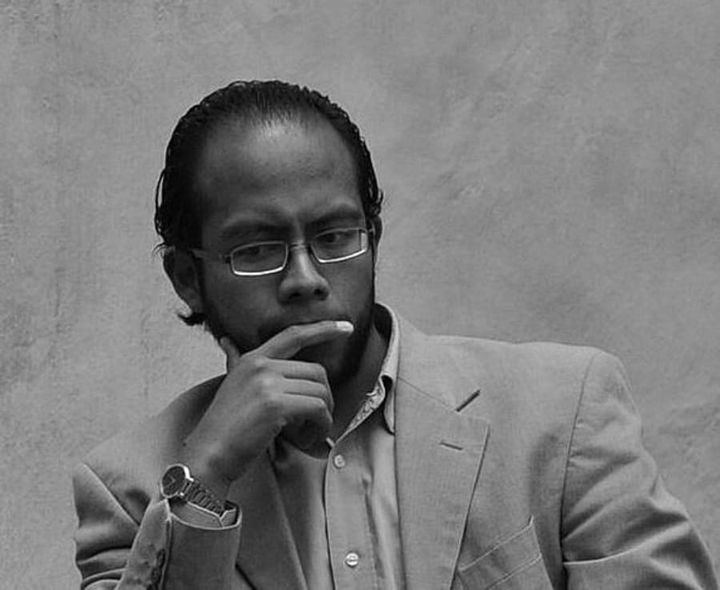
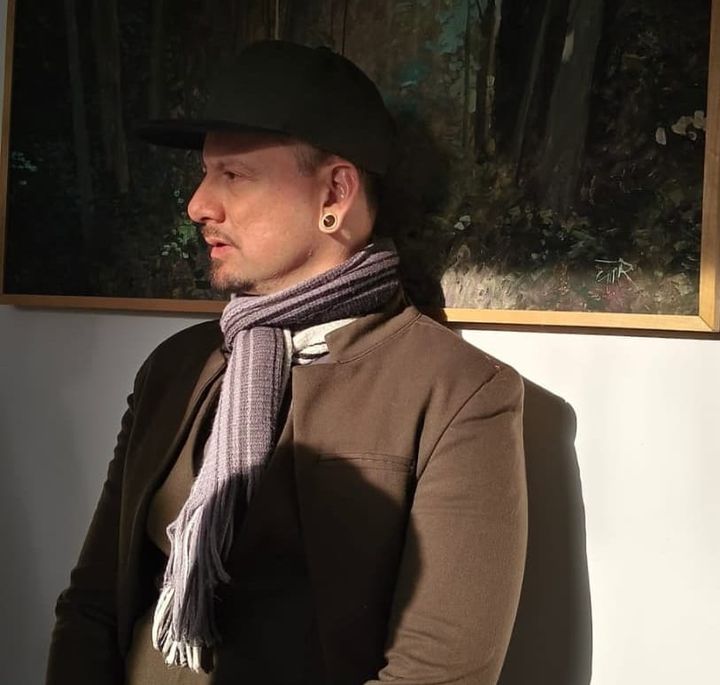
热尔曼• 德罗亨布罗特 出生于比利时,居住在西班牙已有三十一年之久。著名诗人、翻译家、出版人,以及国际诗坛积极的倡导者。已经出版有短篇小说,文学评论,以及主要诗集近十三部,在全球二十八个国家发行。德罗亨布罗特会六种语言, 翻译了近三十部译著,包括德语、意大利语、西班牙语、英语、法语,以及拉美语系诗歌,还将阿拉伯语、汉语、日语、波斯语和韩语诗歌转译成荷兰语出版。德罗亨布罗特是著名的POINT 网站创始人与主编,已经发布现代国际诗歌近八十余册。1996 年他和中国诗人北岛和多多共同发起新诗歌运动。作为组织者或是合作者,德罗亨布罗特在西班牙举办了多次国际诗歌节。他是米哈伊• 埃米内斯库诗歌学院的副院长;日本大学诗歌协会JUNPA 的发起人兼顾问;西班牙
文化基金会ITHACA 的总裁兼创始人,他还是意大利诗歌出版社Margutte 的合作伙伴。
他诗歌创作题材广泛,曾经六十多次造访远东地区,对中国哲学推崇备至。他的诗歌蕴涵哲理,以其长诗集《The Road》著称, 由诗人北岛翻译成中文,题为《道》,并由此筑建了一座从西方到东方的诗意的大桥。印度画家萨蒂什·古普塔受其启发,为他的五本诗集绘制了插画。
德罗亨布罗特的诗歌简洁自然,带着道家的禅意。上海文艺出版社和民生艺术馆已经出版了他的多本中文版诗集,同时在中国香港地区、中国台湾地区,以及日本发行。每年德罗亨布罗特都会应邀参加世界各地的诗歌朗诵和会议。他曾经作为上海市作家协会的嘉宾参加了青海湖诗歌节,以及今年的无锡易经大会。2017 年,德罗亨布罗特入围诺贝尔文学奖提名。
Germain Droogenbroodt, was born in Belgium but lives already thirty-one years in Spain. He is an internationally appreciated poet, translator, publisher and promoter of international poetry. He wrote short stories and literary reviews, but mainly poetry, so far thirteen poetry books, published in twenty-eight countries. He translated – he speaks six languages - more than thirty collections of German, Italian, Spanish, Latin American, English and French poetry and rendered Arabic, Chinese, Japanese, Persian and Korean poetry into Dutch.
As founder and editor of the Belgian publishing house POINT Editions (POetry INTernational) he published more than eighty collections of mainly modern, international poetry. In 1996 he set up a new poetic movement, called neo-sensacionismo with the famous Chinese poets Bei Dao and Duo Duo.
Germain Droogenbroodt organised and co-organised several inter national poetry festivals in Spain, is also vice president of the Academy Mihai Eminescu, co-founder and advisor of JUNPA (Japan Universal Poets Association), artistic advisor of the Italian movement Poetry & Discovery, and founding president of the Spanish cultural foundation ITHACA. He also collaborates with the Italian poetry publication Margutte.
His poetic oeuvre is many-sided, but having visited the Far East more than 60 times and being a great admirer of Chinese philosophy, his poetry has become very philosophic, making a start with his poetry cycle "The Road", (translated into Chinese by Bei Dao as TAO) a poetic bridge between the East and the West, inspiring important painters, such as the Indian Satish Gupta, who illustrated 5 of his books.
His poetry, considered Taoist and ZEN has been published in China by The Shanghai Literature & Art Publishing Group published, by the Minsheng Art Museum and also in Hong Kong, Taiwan and Japan. Germain Droogenbroodt is yearly invited to give recitals and conferences around the globe. He was invited at the Qinghai Lake Poetry Festival, guest of the Shanghai Writers' Association, guest of honour this year at the Wuxi YiJing conference, nominated for the Nobel prize of Literature in 2017.
Germain Droogenbroodt nació en Bélgica, pero reside en España desde hace treinta y un años. Es poeta, traductor, editor y promotor de la poesía internacional de gran reconocimiento mundial. Ha escrito relatos breves y reseñas literarias, pero se ha dedicado principalmente a la poesía; hasta la fecha, ha publicado trece libros de poemas en veintiocho países. Como políglota —habla seis idiomas—, ha traducido más de treinta colecciones de poesía alemana, italiana, española, latinoamericana, inglesa y francesa, además de verter al neerlandés obras poéticas en árabe, chino, japonés, persa y coreano.
En calidad de fundador y editor de la editorial belga POINT Editions (POetry INTernational), ha publicado más de ochenta colecciones, centradas fundamentalmente en la poesía internacional moderna. En 1996, impulsó un nuevo movimiento poético denominado «neosensacionismo» junto a los célebres poetas chinos Bei Dao y Duo Duo.
Ha organizado y coorganizado diversos festivales internacionales de poesía en España; asimismo, es vicepresidente de la Academia Mihai Eminescu, cofundador y asesor de JUNPA (Japan Universal Poets Association), asesor artístico del movimiento italiano Poetry & Discovery y presidente fundador de la fundación cultural española ITHACA. También colabora con la publicación poética italiana *Margutte*.
Su obra poética es polifacética; sin embargo, tras haber visitado el Lejano Oriente en más de sesenta ocasiones y ser un gran admirador de la filosofía china, su poesía ha adquirido un marcado carácter filosófico. Este enfoque comenzó con su ciclo poético «The Road» (traducido al chino por Bei Dao como *TAO*), un puente poético entre Oriente y Occidente que ha inspirado a pintores destacados, como el indio Satish Gupta, quien ilustró cinco de sus libros.
Su poesía, considerada de corte taoísta y zen, ha sido publicada en China por The Shanghai Literature & Art Publishing Group y el Minsheng Art Museum, así como en Hong Kong, Taiwán y Japón.
Germain Droogenbroodt recibe invitaciones anuales para ofrecer recitales y
conferencias en todo el mundo. Ha participado en el Festival de Poesía del Lago
Qinghai, ha sido invitado por la Asociación de Escritores de Shanghái y fue
invitado de honor este año en la conferencia Wuxi YiJing; además, fue nominado
al Premio Nobel de Literatura en 2017.