

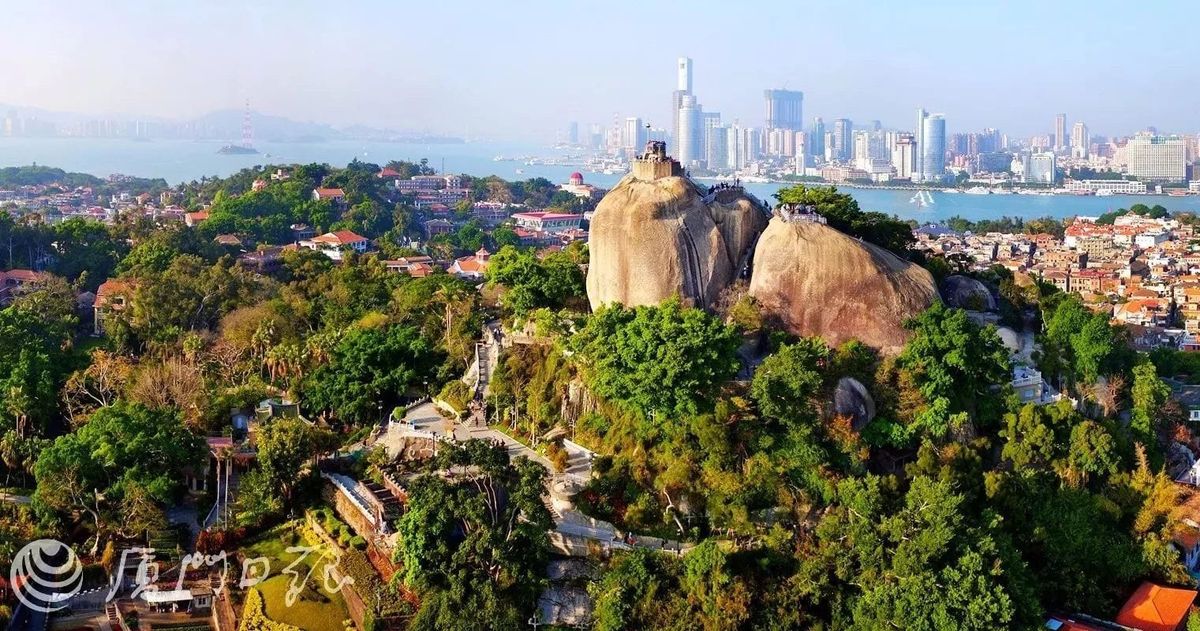
La isla de Gulangyu, diminuta, con solamente 1,77 kilómetros cuadrados de extensión, goza de gran prestigio. Separada del centro de Xiamen por menos de un kilómetro de mar, es una zona paisajística bajo la jurisdicción de Xiamen.
Escucha el oleaje de la marea después de disfrutar de la melodía del laúd
Shu Ting
(Versión al castellano de Luis Benítez)
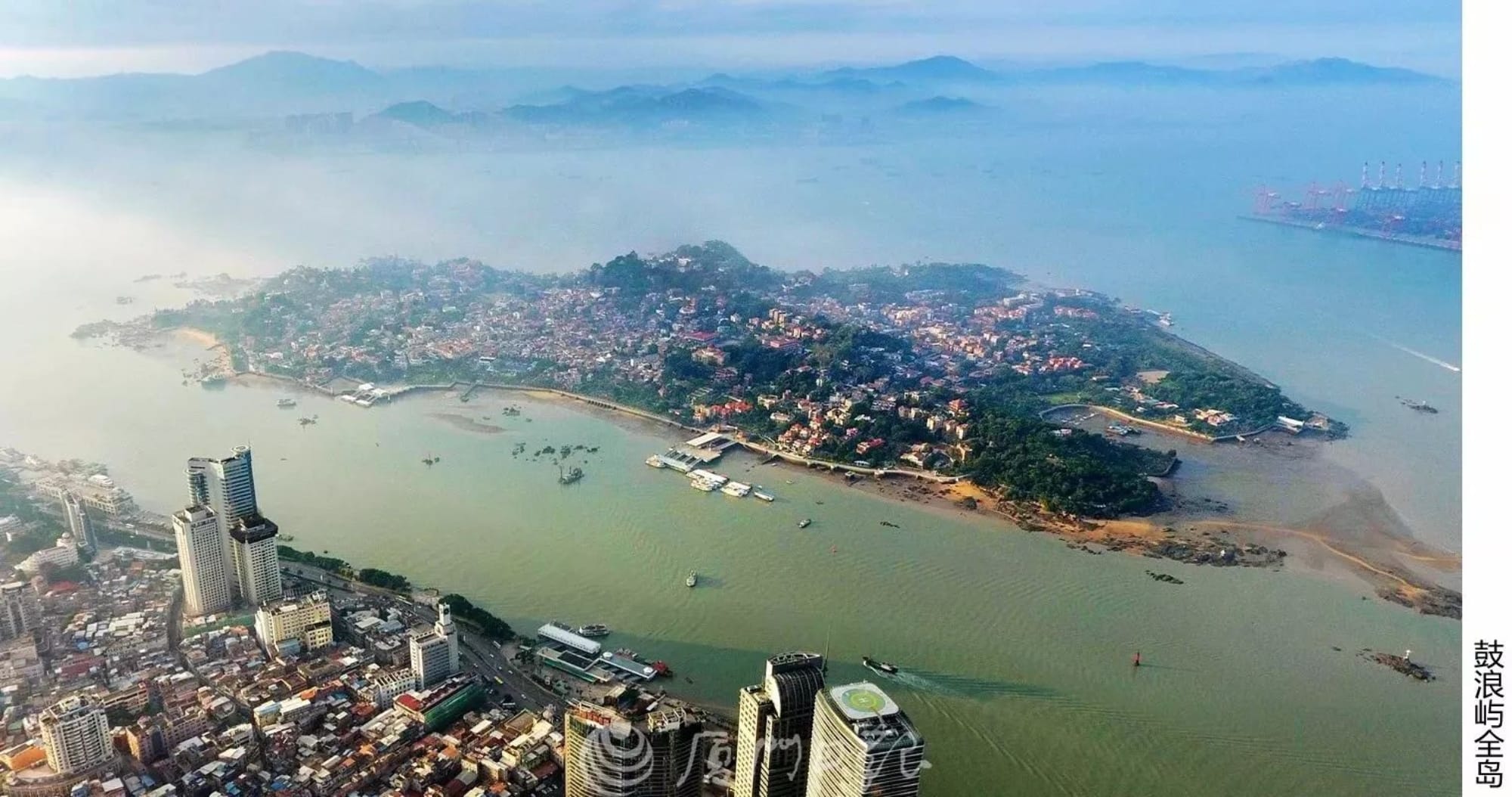
La isla de Gulangyu, diminuta, con solamente 1,77 kilómetros cuadrados de extensión, goza de gran prestigio. Separada del centro de Xiamen por menos de un kilómetro de mar, es una zona paisajística bajo la jurisdicción de Xiamen. Xiamen, en sí misma, es una isla más grande; desde la construcción de un dique en 1956, se la conoce como península. En los últimos años, se han construido varios puentes marítimos que se extienden como tentáculos en todas direcciones. Vista desde arriba, Xiamen parece un pulpo gigante o una anémona de mar de colores vibrantes.
Con viento o sin él, la zona que rodea la isla de Gulangyu está adornada con intrincados dibujos de olas que parecen ser encajes. El antiguo poeta Cai Qijiao la describió en un poema como "un colorido barco con torre", pues se desliza por el mar como un sueño, aparentemente lista para zarpar hacia el horizonte en cualquier momento.
La mayoría de las personas supone que el nombre "Gulangyu" proviene del sonido de las olas isleñas, que resuena como tambores día y noche durante las cuatro estaciones. Parece poético y tiene cierta lógica. Sin embargo, su verdadero origen reside en una formación rocosa hueca situada frente a las villas de Gulangyu, conocida como "Piedra Gulang". Antiguamente, esta piedra se alzaba sobre el arrecife, y cuando subía la marea las olas que rompían contra ella producían ecos resonantes, como tambores. Debido a los cambios en la línea costera, la Piedra Gulang se ha retirado ligeramente, aunque sigue orientada hacia el mar y expuesta al viento. Si bien las olas actualmente están a su alcance, ya no llegan hasta su base. La leyenda cuenta que, en las noches de tormenta, al apoyar la oreja contra la Piedra Gulang aún se pueden escuchar débiles y amortiguados sonidos de tambores.
Los norteños aprecian la vista de los copos de nieve, no solo por romanticismo, sino también por influencias del feng shui local. De igual modo, los sureños, resecos por el intenso calor y que llevan mucho tiempo sin noticias de tifones, sentirán secretamente inquietud y los esperarán con ansias, con la esperanza de que traigan lluvia y un clima fresco temporal. Esos pequeños tifones son como niños traviesos a los que les gusta que les arrullen. Cuando alguien les acaricia la cabeza, se escabullen alegremente, mientras que los tifones más grandes son como amantes enamorados, algo indecisos y temperamentales. A veces son desenfrenados y expresivos, a veces apasionados y rebeldes, y a veces lanzan cosas por los aires. Los tifones que se han acumulado durante cincuenta años (que solemos decir que son eventos raros que ocurren una vez cada medio siglo) son como monarcas déspotas y ancianos. Imponen impuestos y regulaciones severas, y su aterrador y destructivo reinado dura solamente unas horas. La gente olvidadiza sigue paseando y charlando, consigue ascensos y se enriquece, quema incienso y reza, pasándoselo en grande.
Los tifones lejanos aparecen en el mapa meteorológico satelital de longitud y latitud, acumulando poder y fluctuando en intensidad, creando una escena bastante fascinante y, por lo tanto, pasándolo muy bien también.
La isla Gulangyu es exclusivamente peatonal. Incluso las bicicletas están prohibidas por normativa. Hay un camión de bomberos estacionado allí. Para evitar que se oxide, a veces sale por la noche a regar las flores o limpiar las calles. Los niños pequeños gritan y chillan, pensando que es un dinosaurio. Aunque a cada cartero se le asigna una bicicleta, ellos no se atreven a usarla. La mayoría de las calles son estrechas y sinuosas. Por mucho que se toque el timbre de la bicicleta, los peatones lo ignoran y siguen caminando tranquilamente sin salirse del medio. Por ello es que los carteros cargan con mucho peso y siempre trabajan horas extras, incluso más allá de su turno laboral.
Las carreteras asfaltadas suben y bajan abruptamente, y la isla de Gulangyu parece ser un laberinto confuso.
En una zona residencial con una población de menos de 20.000 habitantes, unos 400.000 turistas visitan la isla durante las vacaciones. No es de extrañar que mucha gente se sienta arrepentida: “El paisaje es hermoso, pero es una lástima que haya tanta gente apiñada”. De hecho, si uno tiene el coraje de separarse del grupo, seguir su propio corazón y vagar libremente, especialmente temprano en la mañana o al anochecer, realmente puede experimentar lo que significa tener un camino sinuoso que conduce a un lugar apartado.
Sólo hay una o dos calles realmente largas, el resto son caminos pedregosos o callejones gawai. Las calles son anchas o estrechas y extremadamente limpias. Hay algunas hojas, flores y frutos caídos, pero no están nada sucias. En cambio, añaden una sensación de encanto salvaje. Por ejemplo, en Lujiao Road, en el “Antiguo Distrito de la Embajada”, y en Zhangzhou Road y Fuxing Road en el “Distrito Villa”, durante el día esos senderos son largos y distantes debido al silencio, mientras que por la noche resultan misteriosos y profundos. Se distinguen claramente los pasos, con algunas hojas caídas mezcladas, como un ritmo punteado.
La sombra del banano se inclina precariamente, con sus ramas extendidas. La glicina está cubierta de hojas largas y tupidas, y en las puntas de estas, se ven coloridos racimos de flores. A ambos lados, se alzan altos muros. Si bien no existe ese atractivo de "albaricoques rojos que brotan del muro", de vez en cuando, sí asoman entre las paredes bellezas sureñas como nísperos, longanes, papayas y rambutanes.
Los callejones cubiertos de musgo, intercalados entre las casitas, los bungalows y las casas con techos de paja, suelen constar de tres escalones de piedra por cada dos de ladrillo, con un tramo de asfalto entre ellos. Los tramos más anchos apenas permiten que dos o tres mujeres que acaban de regresar de su ejercicio matutino caminen una al lado de la otra; el más angosto, como un apéndice, deja pasar solo un hueco del tamaño de la palma de la mano por donde entra la luz del sol, que puede iluminar al gato perezoso que está frente a la puerta.
Pero todo seguía tan tranquilo.
Una mujer está de pie junto a la ventana de enfrente, charlando con otra mujer sobre la vida cotidiana. Un hombre lleva su teléfono y busca señal en la sala de juegos. Un niño tropezó y se escapó por la rendija de la puerta, con una bolsa de orina en el trasero, y caminó con dificultad hacia la juguetería de la calle nueva. La abuela del vecino lo recogió y soltó un fuerte llanto. Los estudiantes de la escuela de música de la isla afinaban sus instrumentos, y las olas rompían suavemente para acompañar las pruebas de sonido. Las chicas de la academia de arte dibujaban contra el muro bajo. Inconscientemente, se despertaron de la somnolencia del mediodía y del ruidoso canto de las cigarras. Cerraron sus cuadernos de dibujo, estiraron sus ágiles cuerpos y se sacudieron una flor caída de los hombros.
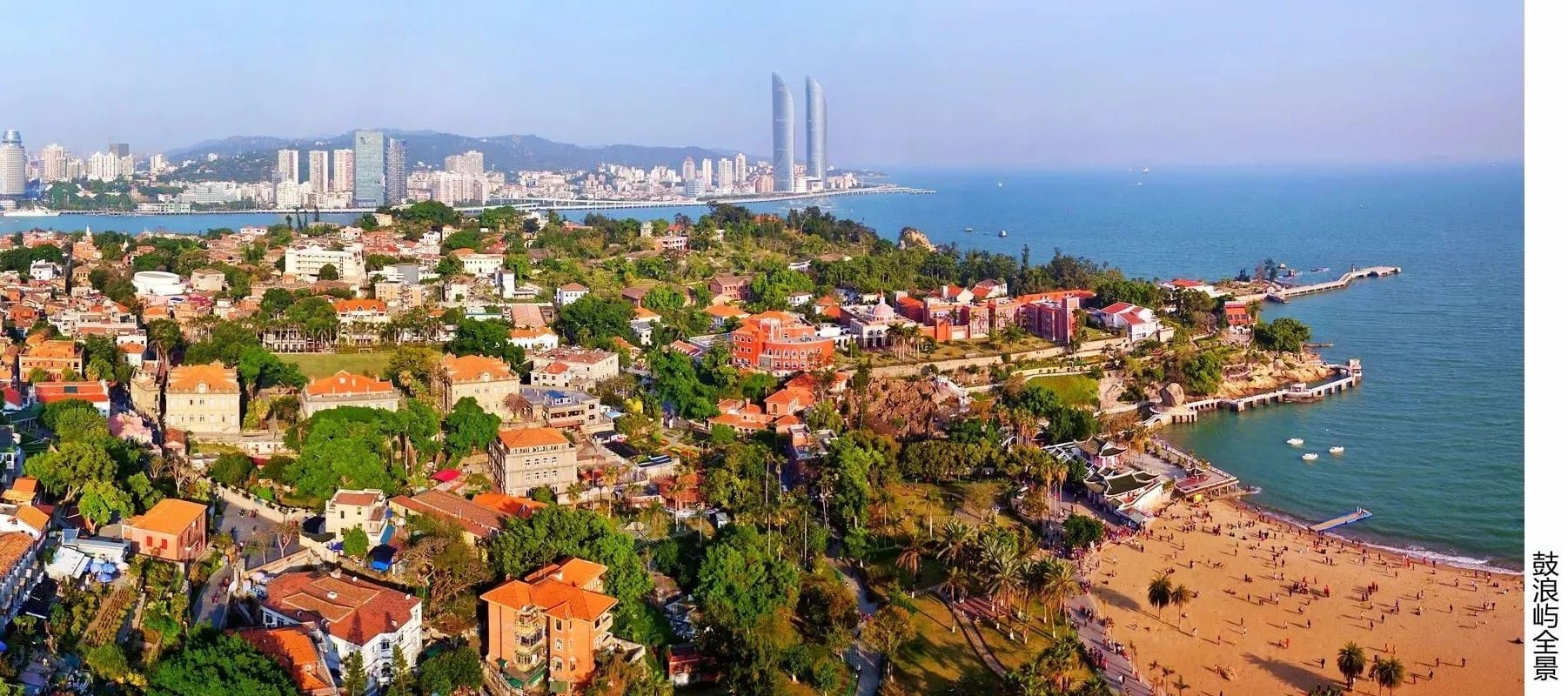
La característica más destacada de la isla de Gulangyu es su diversidad de estilos arquitectónicos. A menudo se la conoce como la "Exposición Mundial de Arquitectura", lo cual podría sonar un tanto presuntuoso. Sin embargo, es innegable que alberga consulados de más de una docena de países.
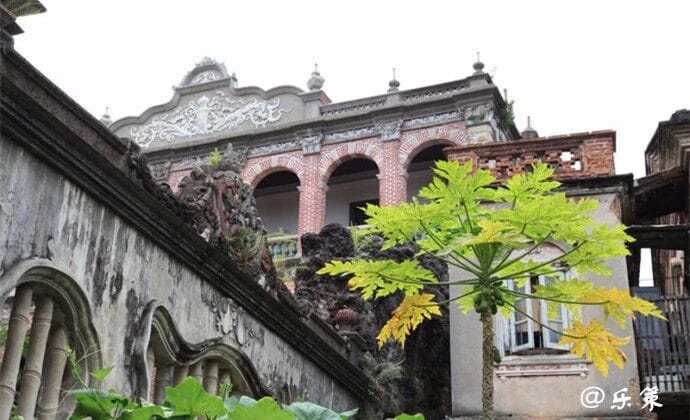
Hay villas de puro estilo europeo. Las pérgolas y los arcos cubiertos de enredaderas y musgo, aunque estropeados e incompletos, todavía muestran exquisitas tallas de lirios y la grandeza de la antigua Grecia. El suave viento mece las persianas abiertas, como si se vislumbrara la chimenea, la lámpara de araña, la fina porcelana y la cubertería de plata del pasado, así como los zapatos de baile de raso blanco posados sobre el gramófono, perdidos en trance.
Hay patios profundos de mansiones de estilo mandarín y grandes residencias de cuatro patios. Los anillos de cobre de las puertas están desgastados y agrietados, pero el sonido de los golpes sigue siendo claro y resonante como un gong. En el patio de ladrillo rojo hay un árbol de osmanthus, varias macetas con orquídeas y dos o tres rosas. La piedra azul que gotea frente a los aleros ha sido erosionada por el tiempo a lo largo de los años. El largo paisaje de volutas en el salón principal, la porcelana azul con decoración dorada en la mesa del quemador de incienso, incluso los hombros del anciano que barre el patio, todo parece estar cubierto con una fina capa de polvo centenario.
También hay villas que combinan estilos chino y occidental, como aquellas de “vestir con traje y sombrero”. La estructura principal es de estilo occidental, con un sótano para evitar la humedad. Las instalaciones sanitarias son muy avanzadas y completas. Sin embargo, el techo está decorado con aleros y frontones, dinteles de puertas con ménsulas talladas, arcos y cestas de flores colgantes. En el jardín hay tanto fuentes de agua como montañas artificiales, pabellones octogonales, etc. Incluso hay un edificio que integra “mezquitas, templos griegos, iglesias romanas y arquitectura clásica china”, como es el “Edificio Bagua”, que ahora es el Museo de Xiamen.
Lo más intrigante son los nombres de esas villas: Yang Jia Yuan, Fan Po Lou, Chun Cao Tang, Villa Guan Hai, Xi Ou Xiao Zhu, Yi Zu Shan Zhuang, etc. Todos suenan muy impresionantes. ¡Los nombres concuerdan con los edificios! Bajo su apariencia, ya sea lujosa y grandiosa o antigua y rústica, se esconde una serie de historias auténticas de familias chinas del sudeste asiático. Hay innumerables "grandes mansiones" que han permanecido ocultas, con secretos bien guardados, y que rara vez se conocen al público.
Se han convertido en escenarios de muchas películas y series de televisión.
Cada casa antigua, profunda y sombría, puede ser una gran narración de la intrincada historia de una familia, o puede resumirse en unas pocas rosas marchitas entrelazadas que trepan por los alféizares tallados de las ventanas.
Esta escena me conmovió profundamente, a mí, que estaba ligada a las viejas vides de mi ciudad natal, de un tipo impaciente y algo ingenuo, ansiosa por actuar. Al mismo tiempo, me ahuyentó, a mí, que soy de voluntad débil, y me dejó con la única opción de rozar esas historias polvorientas en mis sueños.
Listen to the Tide Surge after Enjoying the Lute Melody
Shu Ting
Gulangyu Island, tiny at just 1.77 square kilometers, enjoys a great reputation. Separated from downtown Xiamen by less than a kilometer of sea, it is a scenic area under Xiamen's jurisdiction. Xiamen itself is a larger island; since the construction of a seawall in 1956, it has been known as a peninsula. In recent years, several cross-sea bridges have been built one after another, extending outward like tentacles in all directions. From a bird’s-eye view, Xiamen looks like a giant octopus or a vibrant sea anemone.
Whether it’s windy or not, the area surrounding Gulangyu Island is adorned with lace-like patterns of waves. The old poet Cai Qijiao described it in a poem as “a colorful towered boat”, for it drifts across the sea like dreams, seemingly ready to sail off toward the horizon at any moment.
Most people assume the name “Gulangyu” comes from the island’s waves sounding like drums day and night throughout the four seasons. It sounds poetic and makes some sense. However, the true origin lies in a hollow rock formation in front of the Gulangyu villas known as “Gulang Stone”. In the past, this stone stood on the reef, and when tides rose, waves crashing against it produced resonant drum-like echoes. Due to the changes in the shoreline, the Gulang Stone has receded slightly, still facing the sea and exposed to the wind. Though the waves are now just within reach, they no longer wash up to its base. Legend says that on stormy nights, leaningyour ear against the Gulang Stone can still reveal faint, muffled drum sounds.
Northerners cherish the sight of snowflakes falling, not entirely out of romantic sentiment. It is a matter of the local feng shui. Similarly, southerners, who are parched by the intense heat and have gone for a long time without any news of typhoons, will secretly feel uneasy and look forward to them.
Hoping that they will bring rain and bring about temporary cool weather. Those small typhoons are naughty children who like to be cooed at. When someone strokes their heads, they will happily scurry away. While larger typhoons are like lovers in love, somewhat indecisive and moody. Sometimes they are unrestrained and expressive, sometimes passionate and rebellious, and sometimes they throw things around. The typhoons that have accumulated for 50 years (which we usually say are rare events that occur once in 50 years) are like elderly despotic monarchs. They impose harsh taxes and regulations, and their terrifying destructive rule lasts only a few hours. Forgetful people continue to stroll and chat, get promoted and rich, burn incense and pray, having a great time.
Distant typhoons show up on the longitude-latitude weather satellite map, building up power and fluctuating in intensity, creating quite a fascinating scene, and sohaving a great time as well.
Gulangyu Island is a pedestrian-only island. Even bicycles are prohibited by regulations. There is a fire engine stationed there. To prevent rusting, it occasionally comes out at night to water flowers or clean the streets. Little kids shout and scream, thinking it’s a dinosaur. Although every postman is assigned a bicycle, they dare not use it. Most of the roads are narrow and winding. No matter how loudly you ring the bell, pedestrians ignore it and still walk leisurely in the middle. Therefore, the postmen all carry heavy loads and always work overtime and beyond the quota.
The asphalt roads rise and fall abruptly, and GulangyuIsland appears as a confusing maze.
In a residential area with a population of less than 20,000, there are about 400,000 tourists visiting the island during holidays. No wonder many people feel regretful: “The scenery is beautiful, but it's a pity that there are so many people crammed together.” In fact, if one has the courage to break away from the group, follow one’s own heart, and wander freely, especially in the early morning or dusk, one can truly experience what it means to have a winding path leading to a secluded place.
There are only one or two real long streets, the rest are stony paths or gawai alleys. The lanes are either wide or narrow, and extremely clean. There are some fallen leaves, flowers and fruits, but they are not messy at all. Instead, they add a sense of wild charm. For example, on Lujiao Road in the “Old Embassy District”, and on Zhangzhou Road and Fuxing Road in the “Villa District”, during the day, they are long and distant due to the silence, while at night, they are mysterious and profound. The footsteps that pass by can be clearly distinguished, with a few fallen leaves mixed in, like a dotted rhythm.
The banyan shadow leans precariously, its branches sprawling. The wisteria vine is thickly covered with long leaves, and at the tips of the leaves are colorful flower clusters. On both sides, there are tall walls. Although there is no such “red apricot breaking through the wall” kind of allure, from time to time, there are southern beauties such as loquats, longans, papayas and rambutans peeking out from the walls.
The moss-covered alleys, interspersed among the small houses, bungalows and thatched-roofed houses, usually consist of three stone steps for every two brick steps, with a section of asphalt pavement in between. The wider sections are just wide enough for two or three women who have just returned from morning exercise to walk side by side; the narrowest section, like an appendix, allows only a palm-sized gap for the sunlight to shine through, which can be used to shine on the lazy cat in front of the door.
But it remained so quiet.
A woman stands by the window across the street, chatting with another woman about daily life. A man carries his phone and searches for a signal on the arcade. A child stumbled and slipped out of the crack in the door, with a urine bag in his butt, and trudged to the toy store on the new street. He was picked up by the neighbor’s grandmother and let out loud cry. The students from the island music school were tuning their instruments, and the waves were gently tapping along to accompany the sound tests. The girls from the art academy were sketching against the short wall. Unconsciously, they woke up from the drowsiness of midday and the noisy chirping of cicadas. They closed their sketchbooks, stretched their supple bodies, and brushed off a fallen flower from their shoulders.
The most renowned feature of Gulangyu Island is its diverse styles of architecture. It is often referred to as “the World Architecture Exhibition”, which might be a bit boastful. However, it is an undeniable fact that there are consulates from over a dozen countries.
There are pure European-style villas. The pergolas and arches covered with vines and moss, though marred and incomplete, still display exquisite lily carvings and the grandeur of ancient Greece. The gentle wind sways the loose blinds, as if one could glimpse the fireplace, the chandelier, the fine porcelain and silver cutlery from the past, as well as the white satin dancing shoes perched on the gramophone, lost in a trance.
There are deep courtyards of mandarin mansions andfour courtyard grand residences. The copper door rings are worn and cracked, but the sound of the strikes is still clear and resonant like a gong. In the red brick patio, there are one tree of osmanthus, several pots of orchids, and two or three roses. The dripping bluestone in front of the eaves has been eroded by time over the years. The long scroll landscape in the main hall, the blue porcelain with gold decoration on the incense burner table, even the shoulders of the old man sweeping the courtyard, all seem to be covered with a thin layer of century-old dust.
There are also villas that combine Chinese and western styles, such as those “dressing in a suit while wearing a hat”. The main structure is in the western style, with a basement for moisture prevention. The sanitary facilities are very advanced and complete. However, the roof is decorated with eaves and gables, door lintels with carved brackets, arches, and hanging flower baskets. In the garden, there are both water fountains and artificial mountains, octagonal pavilions, and so on. Even there is a building that integrates “mosques, Greek temples, Roman churches and Chinese classical architecture”, such as the “Bagua Building”, which is now the Xiamen Museum.
The most intriguing aspect is the names of those villas: Yang Jia Yuan, Fan Po Lou, Chun Cao Tang, Guan Hai Villa, Xi Ou Xiao Zhu, Yi Zu Shan Zhuang, and so on. They all sound very impressive. The names match the buildings! Beneath their either luxurious and grand or ancient and rustic appearances lies a series of genuine histories of Southeast Asian Chinese families. There are countless “grand mansions” that have been locked away and buried, with secrets kept hidden, and are rarely known to the public.
They have become the settings for many films and TV series.
Each deep and shady old house can either be a grand narrative of a family’s intricate history, or it can be abbreviated as a few withered intertwined roses climbing on carved windowsills.
This scene stirred within me, who was tied to the old vines of my hometown, an eager, foolish fellow who was itching to act; at the same time, it scared away the weak-willed me, leaving me to merely touch these dusty stories in my dreams.
(Translated by Zhou Wenbiao)
听罢琴声听涛声
舒婷
小小鼓浪屿,面积只有1.77平方公里,名气却挺大。与厦门市区仅隔不到1000米的海面,是厦门属下的一个风景名胜区。厦门是一个更大的岛。自从1956年建了海堤以后,改叫半岛。近几年又陆续建了几座跨海大桥。触须一般四面八方伸展去。坐飞机从空中鸟瞰下来,厦门像巨大的章鱼或绚丽的海葵了 。
有风无风的日子里,鼓浪屿的周边都镶着波浪的蕾丝花边。老诗人蔡其矫写诗,把它比喻成“彩色的楼船”,因为它如梦如幻浮荡在海面上,似乎随时要持驰向天边。
大部分人望文生义,以为鼓浪屿的命名是因为岛上春夏秋冬日日夜夜波涛如鼓。听起来很美,也有些道理。真正的原因却是鼓浪屿别墅前面有一隆中空的礁石,叫鼓浪石。从前的鼓浪石矗立在礁滩上,涨潮的时候,浪涛击石,响鼓声声。由于沙岸变迁,鼓浪石退居二线,依然临海迎风,波涛虽在咫尺之间,却不及淹至脚下。据说,狂风大作的夜晚里,将耳朵伏在鼓浪石上,犹能听到隐约的闷鼓声。
北方人怀念瑞雪纷飞,并非完全出自浪漫情怀,那是一个地方的风水。同样,被酷暑逼得汗流浃背的南方人,长久时间没有台风消息,也会暗地不安和期盼着。
带来雨水,带来阶段性的凉爽天气,小小的台风是爱撒娇的顽童,被人摸摸脑袋就喜孜孜地跑开;壮大一点的台风是热恋中的情侣,有些患得患失有些喜怒无常,有时奔放抒情有事乖戾赌气,还乱摔东西;攒集了50年(通常我们说50年不遇)怀脾气的台风是老年昏君,横征暴敛,其摧残性的恐怖统治也不过几个小时。健忘的人们继续散步聊天,升官发财,烧香祈祷,不亦乐乎。
台风远远的,正在东经北纬的气象云图上,摩拳擦掌厉兵秣马此消彼长,同样不亦乐乎哩。
鼓浪屿是个步行岛,法规中连自行车都禁止。养着一部消防车,为了不生锈,偶尔晚上出来活动,浇花或冲洗街道,小小孩们便大喊大叫以为是恐龙。邮递员虽然配给了自行车却不敢用。小街小巷居多,路面忽高忽低,任你把车铃揿得再虚张声势,行人也不管不顾,依然悠闲地走在中间。因此邮递员们都负重如牛,总是超时超量工作。
柏油马路忽高忽低,鼓浪屿便像迷宫似得扑朔迷离。
一个人口不到两万得居民区,节假日上岛的观光客居然有四十万人次。难怪很多朋友都遗憾着:“美是美诶,可惜人挤人。”其实如果有勇气脱开团队,随心所欲,信步而至,尤其清晨黄昏,最能感受到什么叫曲径通幽。
真正的长街只有一两条,其他都是羊肠路或八卦巷。小巷时宽时窄,且及其洁净。些许落叶、落花、落果,毫无狼藉之状,反生野趣。像“旧使馆区”的鹿礁路,“别墅区”的漳州路和复兴路,白天因寂静而漫长悠远,夜晚因深邃而神秘莫测。偶过的脚步碟碟可辨,一片两片落叶夹杂其中,像切分音。
榕影倚老卖老斜欹着,九重葛纷披长发,发梢系着绚烂的花球。两旁高高的围墙,虽然不见所谓“红杏出墙”的香艳,但时有枇杷、龙眼、木瓜、杨桃等南方佳丽探出墙头。
穿插在小楼、平房和屋瓦大厝之间的苔巷,往往三步石阶两步砖甬,间夹着一段柏油路面。宽的部位,刚够三两个晨练回来的女人家比肩结伴;最窄的那段盲肠,则漏下巴掌大一截阳光,可以揭来晒门前懒猫。
也还是安静。
女人临窗隔街喻喻互叙家常,男人提着手机在拱廊上寻找信号,小儿跌跌撞撞溜出门缝,屁股夹着尿包,跋涉到新街玩具点,被邻家婆婆拎回,哇哇张圆了喉咙;岛上音乐学校的学生在调弦,涛声便一拍一拍陪着试音;美术学院的女孩子靠着短墙写生,不知不觉从日午的困倦和聒噪的蝉声中醒来,合上速写簿,伸个柔软的腰,掸落肩头的一朵落花。
鼓浪屿最负盛名的是各种风格的建筑。号称“万国建筑博览会”,未免有些自夸,至少十几国领事馆,却是不争的事实。
有纯欧陆式别墅。牵藤攀藓的廊柱和拱门,虽斑驳残缺,犹见考究的百合浮雕和古希腊宏伟气势。风轻摇松动的百叶窗,似乎可以窥见当年的壁炉、枝形烛光、细瓷银刀叉,以及踮在留声机上如痴如醉的白缎舞鞋。
有庭院深深的大夫第和四落大厝。铜门环凹凸剥蚀,击声依然清亮如罄。红砖铺砌的天井里,桂香一树,兰花数盆,月季两三朵。檐前滴水青石,长年累月几被岁月滴穿。中堂的长轴山水,檀香案上的青瓷描金古瓶,甚至洒扫庭院的布衣老人的肩头,都似蒙着薄薄一层百年浮尘。
更有“穿西装戴斗笠”中西合璧的别墅。建筑主体是西洋式的,有地下隔潮层,卫生设施十分先进完备,但屋顶却,是飞檐翘角,门楣装饰挂落、斗拱、垂柱花篮等,花园里既建喷水池,又造假山、八角亭等等。甚至有集“清真寺、希腊神庙、罗马教堂和中国古典”为一体的建筑如“八卦楼”,现在的厦门博物馆。
最耐人寻味的式那些别墅的名字;杨家园、番婆楼、春草堂、观海别墅、西欧小筑、亦足山庄等等,听起来已出彩得很。名如其楼呀!在或富丽奢华或沧桑古朴得外貌下,掩藏着一部部真实的南洋华侨家族史,不知有多少“大宅门”锁锈路埋,讳莫如深,鲜为人知。
它们成为许多电影和电视连续剧的场景。
每座幽深阴凉的老房子,既可以是一个家族盘根错节的宏大叙事,也可以缩写为攀缘在雕花窗台上那几茎枯萎的缠枝蔷薇。
这个画面扯动了拴在家乡老藤上的我这颗跃跃欲试的蠢瓜,同时又惊退了笔力贫弱的我,只在梦想中抚摩这些尘封的故事。
Shu Ting, antes conocida como Gong Shuting, nació y creció en la isla de Gulangyu, Xiamen, provincia de Fujian. Comenzó a escribir poesía en 1969 y sus obras se publicaron en 1979, lo que generó diversos debates. Desde 1998, se ha dedicado principalmente a la prosa y los ensayos. Ganó el Premio Nacional de Jóvenes Poetas y el Primer Premio Nacional de Nueva Colección de Poesía. Ha sido invitada a visitar más de 20 países y regiones de Europa, América, etc., y ha impartido conferencias y recitales en más de 30 ciudades y universidades extranjeras. Sus obras se han traducido a más de veinte idiomas y se han publicado en el extranjero en forma de nueve obras completas en seis idiomas. Fue invitada a residir en Berlín, Alemania, durante un año para dedicarse a la escritura. Fue escritora residente en la Universidad China de Hong Kong, la Universidad de Hong Kong y la Universidad de Ciencia y Tecnología de Hong Kong.
Shu Ting, formerly known as Gong Shuting. She was born and raised in Gulangyu Island, Xiamen, Fujian Province. She began writing poetry in 1969 and her works were publicly released in 1979, which sparked various debates. Since 1998, she has mainly written prose and essays. She won the National Young Poets Award and the First National New Poetry Collection Award. She has been invited to visit over 20 countries and regions in Europe, America, etc., and has given lectures and recitations in more than 30 cities and universities abroad. Her works have been translated into the languages of over twenty countries and published abroad in the form of nine collected works in six languages. She was invited to reside in Berlin, Germany for a year of writing life. She served as a resident writer at the Chinese University of Hong Kong, the University of Hong Kong, and the Hong Kong University of Science and Technology.
舒婷,原名龚舒婷。世居福建厦门鼓浪屿。1969年开始写诗,1979年公开发表,作品引发多种争论。1998年以后主要写作散文和随笔。获全国中青年诗歌奖及全国首届新诗集奖。多次应邀出访欧美等20多个国家和地区,在国外30多座城市和大学朗诵讲座,作品被翻译二十多个国家的文字发表,境外出版有6个语种9部诗歌个人译本。曾应邀驻德国柏林市写作生活一年。曾任香港中文大学,香港大学,香港科技大学驻校作家。