
Cómo civilizarse - Rebecca Gayle Howell
Porque una vez ella corría por bosques y praderas / pero acudía cuando la llamabas–bestia fiel– / porque sus pezuñas fueron formadas / para tierra hojarasca lluvias largas /
Cómo civilizarse
(Traducción al español de Jeremy Paden)
How to Preserve
Boil the water bath
Drop glass
Drop hands
finger tips
speaking mouth
tongue
Drop memory
like glass
down into the bath
Bring up the heat
slow so none notice
nothing shatters
so the tongue can think
it might not be burned
might go on telling
what does not want to be told
This is how you preserve
Sterilize
Scald
before packing the jars
with glory
O Harvest
Hard won
and terrible
Cómo conservar
Hierva el baño de agua
Introducir el frasco de vidrio
Dejar caer las manos
las yemas de los dedos
la boca que habla
la lengua
Dejar caer la memoria
como un vidrio
sumergido en el baño
Suba el fuego
lento para que nadie se dé cuenta
para que nada estalle
para que la lengua crea
que quizá no esté quemada
para que siga contando
lo que no quiere ser contado
Así es cómo se conserva
Se esteriliza
Se escalda
antes de llenar los frascos
de gloria
Ay la Siega
Obtenida con esfuerzo
y severa
*
How to Become Civilized
Because she once ran forest and field
but came to you when called–loyal beast–
because her hooves are formed
for soil fallen leaves, long rains
for earth that gives way
beneath foot and weight and foraging
because she did come
but might go astray
we now keep the pen
keep control
Build it tall with walls
Build it deep
with indoor outdoor
space
Make the pig think
she has a choice
she can defecate
away from her feed
she can still be clean
Build a wood floor angled high
so you can wash out her shit and piss
if you have the time
so you can come to her
and take each leg up each hoof
and scrub or else, she’ll swell
her feet sore from splinter
and inert days
She’ll just
lie down
her muscles in atrophy
her meat in ruin
You will have to quit
whatever it is you are doing
and take a stick
and prod her
take your boot
and kick her
get up get up
If you have the time
build a pen, keep its walls high
She will adapt
This is how we were civilized
Cómo civilizarse
Porque una vez ella corría por bosques y praderas
pero acudía cuando la llamabas–bestia fiel–
porque sus pezuñas fueron formadas
para tierra hojarasca lluvias largas
para una tierra que que se hunde
bajo el pie y el peso y el buscar alimento
porque ella sí vino
pero podría extraviarse
ahora la guardamos en el chiqueo
la controlamos
Constrúyalo con paredes altas
Constrúyalo it long y con
con espacio
interior exterior
Haz que la cerda crea
tener la capacidad de escoger
que pueda defecar
lejos de donde coma
que pueda todavía ser limpia
Construya un piso de madera empinado
para que puedas enjuagar su mierda y meados
si tuvieras el tiempo
para que puedas acercarte a ella
y levantar cada pata cada pezuña
y restregarla por que si no, se hinchará
sus patas doloridas por las astillas
y los días inmóviles
y ella simplemente
se acostará
sus músculos en deterioro
su carne en ruina
Tendrás que abandonar
lo que fuera que hicieres
para tomar un palo
para picarla
toma tu bota
y patéela
levántate levántate
Si tienes el tiempo
construya un chiquero, mantén sus muros altos
Ella se adaptará
Así fue cómo nos civilizamos
*
Every Job Has a First Day
Slade was pulling minnows out of the dry river
the day we met. Puddles, more or less, was all
that was left. But what could live wanted to and
tried, treading narrow circles, a glide of brittle fins.
He wore those rubber boots, though the sun was
an anvil, and very little wet; he smiled, I remember
that, his nickel smile right at me, his fingers
letting fall the small fish muscles into a bag filled
with yellow tap. I didn’t ask his name, or what
it was he thought he was doing, but we talked,
I listened as he taught me to relax the hand just
Enough. They can smell, he said, the oils our pores
release when we tense to catch. You have to believe it,
he said. You don’t mean any harm.
Cada empleo tiene un primer día
Slade extraía los pececillos de un río seco
el día que nos conocimos. Charcos, poco más
quedaba. Pero lo que podía quería vivir y lo intentaba,
pataleando en círculos reducidos, un deslizamiento de aletas
frágiles. Llevaba esas botas de goma, pese a que el sol era
un yunque, y demasiado poco estaba mojado; sonrío, eso
recuerdo, su sonrisa niquelada dirigida a mí, entre sus dedos
los pequeños peces musculosos caían en una bolsa llena
de agua de grifo amarillenta. No le pregunté su nombre
ni qué creía estar hacienda, pero charlamos, escuchaba
mientras me enseñaba a relajar la mano lo suficiente.
Pueden oler, dijo, el sebo que sueltan los poros
cuando tensamos para atrapar. Hay que creerlo,
dijo. Tú no quieres causar ningún daño.
*
The Risk Is There Is No Risk
The Kid's riding his bike, Fibonacci spiral
in a cement lot. It’s hot. I’m in one of the parked cars,
stranded. I don’t know where to go. A man with a star
inked on his neck crosses the street toward us.
Five points and patriot blue. He’s alone, The Kid.
He knows better. Drink water, but don’t drink the water
here, his mother could have said. Above us, geese charge
north on abacus wires strung tight to—what. What sky
are we held by? Who counts our sins.
El riesgo es que no hay riesgo
El Chavo monta su bici, un espiral Fibonacci
en un parqueo pavimentado. Qué calor. Estoy en un carro estacionado,
varada. No sé hacia dónde ir. Un hombre con una estrella
tatuada en el cuello cruza la calle hacia nosotros.
De cinco puntos y azul de bandera. Está solo, El Chavo.
Es más sensato. Beber agua, mas no beber el agua
de acá, su madre le podría haber dicho. Por encima nuestro, gansos avanzan
hacia el norte por alambres de ábaco tiesamente encordados a – qué. ¿Qué cielo
nos sostiene? Quién hace cuenta de nuestros pecados.
*
Let Us Make Man In Our Image
Stand your ground. We are walking. We are talking now
of the wind. Defend yourself. I imagine us a brigade,
the thin three, a gang against the air. I don't know
who taught Slade to run his mouth and Little
to shut his, but there it is. A perfect system.
Slade follows me following Little, his vision
of wells, his fetish, ours. For weeks we've chased
what we want to see. Little stabs the sky like the sky is
a balloon and he's a child playing prank. We aren't kids.
Hagamos al hombre a nuestra imagen
Defender tu territorio. Caminamos. Estamos conversando ahora
del viento. Defiéndete a ti mismo. Nos imagino como una brigada,
los tres flacos, una mara contra el aire. No sé quién fue
el que le enseñó a Slade de hablar por los codos ni al Chapo
de cerrar la boca, pero así es. Un sistema perfecto.
Slade me sigue a mí y yo le sigo al Chapo, su visión
de pozos, su fetiche, el nuestro. Llevamos semanas en pos de
lo que queremos ver. El Chapo apuñala el cielo como si el cielo fuera
un globo y él un niño haciendo una broma. No somos niños.
**
Citation
*“How to Preserve” was originally published in Rebecca Gayle Howell’s Render / An Apocalypse (Clevevland State University Poetry Center, 2013). All rights reserved.
*“How to Become Civilized” was originally published in Rebecca Gayle Howell’s Render / An Apocalypse (Clevevland State University Poetry Center, 2013). All rights reserved.
**“Every Job Has a First Day” was originally published in Rebecca Gayle Howell’s American Purgatory (Black Springs Press Group, 2017). All rights reserved.
**“The Risk Is There Is No Risk” was originally published in Rebecca Gayle Howell’s American Purgatory (Black Springs Press Group, 2017). All rights reserved.
**“Let Us Make Man In Our Image” was originally published in Rebecca Gayle Howell’s American Purgatory (Black Springs Press Group, 2017). All rights reserved.
***
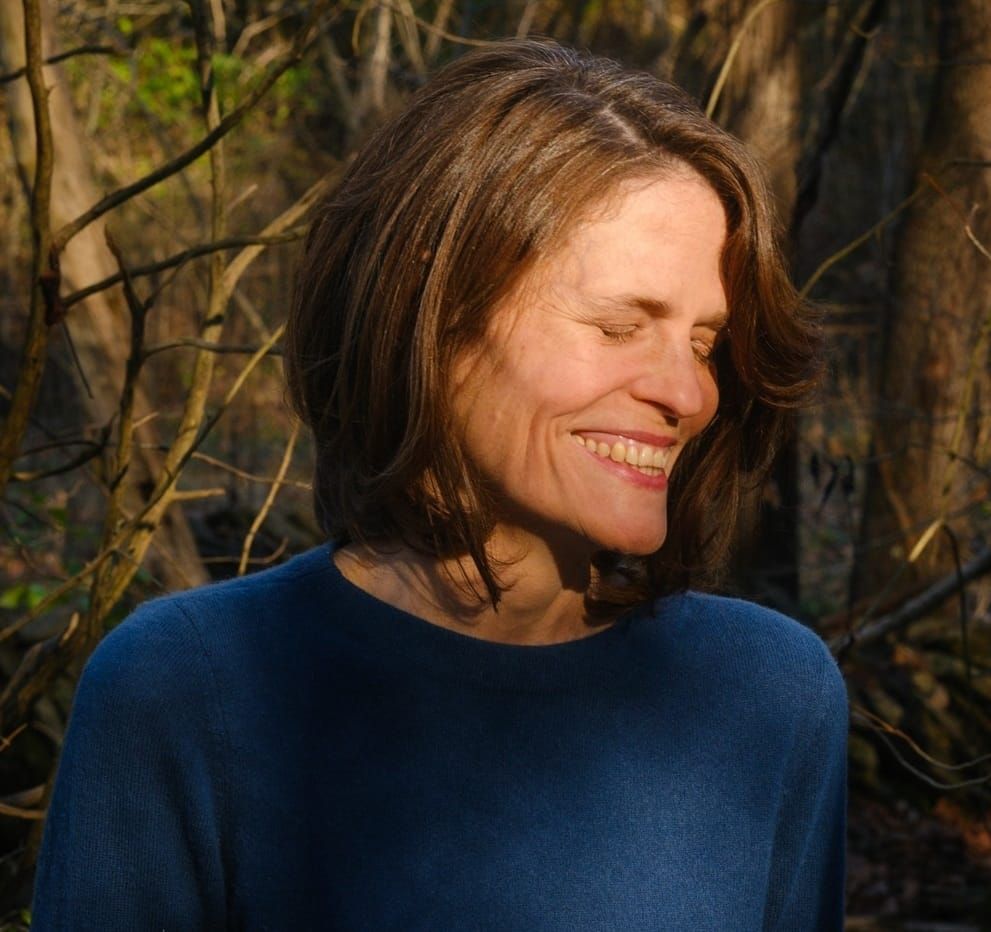
Rebecca Gayle Howell is an Associate Professor of Poetry and Translation for the University of Arkansas MFA program. Her awards include two fellowships from the Fine Arts Work Center, the United States Artists Fellowship, and the Aiken Taylor Award for Modern American Poetry. Working as a poet, translator, and librettist, she has received critical acclaim from such outlets as The Los Angeles Times, Poetry London (U.K.), Asymptote, Limelight (AUS), Publisher’s Weekly, MINT (India), Classic FM (U.K.), and Ms. magazine. Her latest book is Erase Genesis, just out from Project Poëtica/Bridwell Press.
Rebecca Gayle Howell es profesora asociada de poesía y traducción en el programa de maestría en creación literaria de la Universidad de Arkansas. Entre sus premios figuran dos becas de la Fine Arts Work Center, como también una de United States Artists Fellowship, y el premio Aiken Taylor Award para poesía estadounidenese contemporánea. Su poesía, sus traducciones y sus libretos han sido reconocidos por críticos y especialistas en lugares tales como The Los Angeles Times, Poetry London (U.K.), Asymptote, Limelight (AUS), Publisher’s Weekly, MINT (India), Classic FM (U.K.), y Ms. magazine. Su último libro es Borrar el Génesis, que acaba de ser publicado por Project Poëtica/Bridwell Press.
*
Jeremy Paden is an Affrilachian Poet who writes and translates in both English and Spanish. His most recent translations are De las que duelen (Valparaíso Ediciones, 2024), a Spanish language version of Ada Limón’s The Hurting Kind, and Waiting for Perec (Action, Spectacle, 2025), an English language version of Mario Meléndez’s Esperando a Perec. He is also the author of several poetry collections and a bilingual illustrated children’s book. The recipient of awards like the Premio Poeta en Nueva York and the Campoy-Ada Prize, Paden is a Professor of Spanish and Latin American Literature at Transylvania University.
Jeremy Paden es miembro de lo Affrilachian Poets y escribe y traduce tanto en inglés como en castellano. Entre sus traducciones más recientes figuran De las que duelen (Valparaíso Ediciones, 2024), una versión en castellano del poemario The Hurting Kind de Ada Limón, la expoeta laureada de los Estados Unidos, y Waiting for Perec (Action, Spectacle, 2025), una versión en inglés del poemario Esperando a Perec del poeta chileno Mario Meléndez. Es autor de varias colecciones de poesía y un libro ilustrado infantil. Ha recibido premios tales como el Premio Poeta en Nueva York y el Premio Campoy-Ada. Es profesor de español y de literatura latinoamericana en la Universidad de Transylvania.