
Hace varias décadas, en la zona rural de Shandong, no se seguía el calendario gregoriano. En aquel entonces la gente consideraba únicamente el Festival de Primavera como el verdadero Año Nuevo.
Año Nuevo en su ciudad natal
Mo Yan
(Versión castellana de Luis Benítez)
Hace varias décadas, en la zona rural de Shandong, no se seguía el calendario gregoriano. En aquel entonces la gente consideraba únicamente el Festival de Primavera como el verdadero Año Nuevo. Esto se debía a la escasez material —al fin y al cabo, tener un festival más significaba una oportunidad más para darse lujos—, aunque, por supuesto, el aspecto más crucial era la mentalidad.
El Festival de Primavera es una festividad estrechamente ligada a la producción agrícola. Tras el Festival de Primavera, significa que el crudo invierno está a punto de terminar y la primavera está por llegar. El arribo de la primavera marca el inicio de un nuevo ciclo de producción agrícola. La producción agrícola es, básicamente, un asunto de adultos. Para los niños el Festival de Primavera es una fiesta donde pueden comer bien, estrenar ropa y divertirse durante unos días, además de participar en numerosas actividades animadas y misteriosas.
Cuando yo era niño tenía muchas ganas de que llegara el Año Nuevo. A menudo, tan pronto como entraba en el duodécimo mes lunar, empezaba a contar los días con los dedos, como si el Festival de Primavera fuera un destino lejano y difícil de alcanzar. El estado mental ansioso de los niños siempre fue recibido con profundos suspiros por parte de los adultos; aparentemente no les gustaba el Año Nuevo e incluso lo temían. Su actitud dejó a los niños decepcionados y confundidos en ese momento, pero ahora lo entiendo completamente. Creo que la razón por la que los mayores sienten tanta ansiedad por el Año Nuevo es doble: en primer lugar, porque significa un gasto enorme, y el ajustado presupuesto de vida a menudo no supone suficiente dinero reservado para ello; en segundo lugar, el rápido paso del tiempo ejerce sobre ellos una enorme presión. Los niños pueden gritar con entusiasmo: “¡Después del Año Nuevo, he crecido un año más!” mientras los ancianos suspiran impotentes: “Ay, envejecí un año más”. El Año Nuevo significa que los niños están avanzando hacia un período glorioso de sus vidas, mientras que para los adultos significa que se están deslizando hacia sus años de decadencia.
El octavo día del duodécimo mes lunar es el primer momento para esperar con ilusión el Año Nuevo. Esa mañana se prepara una olla de gachas. Debe contener ocho ingredientes, de los cuales solo siete son imprescindibles. El azufaifo es un ingrediente indispensable. Se dice que antes de la fundación de la República Popular China, en la madrugada del octavo día del duodécimo mes lunar templos adinerados o familias caritativas colocaban grandes ollas en las calles para distribuir gachas, permitiendo que mendigos y pobres comieran gratis.
Solía añorar esa gran distribución de comida. Recordaba esas enormes ollas de hierro, colocadas al aire libre y llenas de sacos de arroz y frijoles. Las cremosas gachas se movían dentro de las ollas, burbujeando sin cesar, y su rico aroma impregnaba el aire frío de la madrugada. Un grupo de niños, con grandes cuencos en sus manos, esperaban ansiosamente en fila; sus caritas se enrojecían por el frío y de sus narices colgaban mocos transparentes. Para combatir el frío la gente saltaba y gritaba. A menudo me imaginaba haciendo cola para recibir la comida; aunque tenía hambre y frío, mi corazón rebosaba de alegría. Más tarde, en mis obras, describí varias veces la escena de las gachas que imaginaba, pero lo que escribí distaba mucho de ser tan glorioso como mi imaginación.
Después del Festival de Laba, si uno persiste en esperar medio mes más, llega el Día de la Despedida del Dios de la Cocina, también conocido como el Pequeño Año Nuevo en nuestra región y que es celebrado con gran solemnidad. El desayuno y el almuerzo siguen siendo los típicos platos sencillos, y la cena consiste en empanadillas. Para poder esperar esta ración de empanadillas, comía muy poco en el desayuno y el almuerzo. En aquel entonces mi apetito era asombroso y no diré cuántas empanadillas podía comer para no asustar a nadie.
Existe un ritual para despedir al Dios de la Cocina, que consiste en servir primero dos cuencos de dumplings en el hogar, luego quemar medio dao de papel amarillo, junto con el papel del Dios de la Cocina. Una vez que se termina de quemar, se rocía un poco de sopa de dumplings sobre las cenizas y, finalmente, se hace una reverencia. Esta es la forma más sencilla. En cuanto a las familias relativamente adineradas, compran dulces de Kanto para ofrecerlos frente al hogar. El propósito de la ofrenda probablemente sea que el Dios de la Cocina, que está a punto de informar al cielo sobre su trabajo, pruebe algo dulce y diga más palabras amables ante el Emperador de Jade. Algunos también dicen que los dulces de Kanto se le pueden pegar a la boca al Dios de la Cocina. Esta afirmación es irracional. Si se le pegaran a la boca, por supuesto que ya no podría decir cosas malas, pero ¿no sería incapaz también de decir cosas buenas?
Después de adorar al Dios de la Cocina, pegaban el pergamino del caballo cortado del Dios de la Cocina en la cabeza del kang. El llamado rollo de caballo es en realidad un calendario lunar, por lo habitual malamente impreso en madera sobre el papel blanco más barato. En la parte superior se ve a un hombre de rostro pequeño y cuadrado y con tres mechones de barba. A cada lado de este hombre hay dos mujeres de rostros redondos y, obviamente, son sus dos esposas. En aquel entonces noté muchas contradicciones sobre el Dios de la cocina. Una de ellas era que había estado tendido cerca del hogar durante años, expuesto al humo y al fuego, por lo que debía de ser un hombre de cara negra; el chiste rural sobre las personas con caras oscuras siempre es así: "Pareces un dios de la cocina". Pero el Dios de la Cocina en el pergamino del caballo tenía una cara muy blanca. La cabeza del Dios de la Cocina está impresa con las palabras “cuántos dragones deberían ser necesarios para controlar el agua el próximo año”. En el año del “Control del agua de un dragón”, el principal problema es el anegamiento, mientras que en el año del “Control del agua de varios dragones”, el principal problema es la sequía. El proverbio que dice “Cuando hay demasiada gente, reina el caos; cuando hay demasiados dragones, prevalece la sequía”. Viene de aquí, y la razón es la misma que "Tres monjes no tienen agua para beber".
Después del día de despedida del Dios de la Cocina, el Festival de Primavera es inminente. Desde la perspectiva de los niños, este período es todavía bastante largo. Finalmente, en Nochevieja, por la tarde, mujeres y niñas preparaban bolas de masa en casa, mientras hombres y niños iban a rendir homenaje a sus antepasados y quemar incienso en sus tumbas. Este acto de adoración a los antepasados es en realidad una invitación para que los antepasados regresen a casa para el Año Nuevo. Cuando vueltos de las tumbas, las paredes del salón principal de la casa ya estaban colgadas con pergaminos ancestrales que representaban algunas figuras antiguas dignas, y varios niños como los comunes en la obra de “Recuerdos Dolorosos”, justo como esos chicos con sombreros de piel de melón de los ricos, lanzando petardos allí. En el pergamino, se han dibujado muchas cuadrículas con líneas de tinta y en su interior están escritos los nombres de los antepasados. Delante del rollo hay incensarios y velas, junto con varias ofrendas. Son sólo unos cuantos dulces y algunas galletas. Ciertos hogares refinados incluso preparan algunos tazones, con repollo en el fondo y unas cuantas rodajas de tofu frito y carbonizado encima. Lo indispensable es ofrecer un par de hachas, ya que tiene la misma pronunciación que la palabra “fú” (buena fortuna). En este punto, si alguien viene a pedir prestada un hacha, habrá mucha oposición. Se roció el patio con heno y se colocó un palo en la entrada, que se dice que sirve como tapón de la puerta para evitar que las mulas y los caballos de los antepasados salgan corriendo.
En aquel entonces no solo no había televisión, sino tampoco electricidad, y uno tenía que irse a la cama después de cenar. Ya entrada la noche, la madre te despertaba suavemente. Al levantarse y vestirse con ropa nueva, uno se sentía extremadamente misterioso y frío, con los dientes castañeteando. Las velas frente al pergamino con el retrato de los ancestros ya estaban encendidas, y las llamas temblaban constantemente, iluminando con fuerza los rostros de los ancestros en el pergamino, haciéndolos parecer vivos. El patio estaba tan oscuro que era imposible ver un dedo, como si muchos caballos altos masticaran grano y hierba en la oscuridad. Jamás se volverá a ver una noche tan oscura; ahora la noche no es tan oscura como antes: este es el verdadero comienzo del Año Nuevo.
En tal instancia está absolutamente prohibido hablar en voz alta; incluso los padres, que suelen tener mal genio, deben hablar en voz baja y dulce. En cuanto al niño, su madre le ha repetidamente, la noche anterior, que durante el Año Nuevo era mejor no hablar. Si tenía necesidad de hablar, debía elegir sus palabras con cuidado y no pronunciar ninguna de mala suerte, pues este momento del Año Nuevo está relacionado con la fortuna de toda la familia en el año venidero. Al preparar la cena de Nochevieja no se puede usar el brasero, ya que su ruidoso sonido arruinaría el ambiente de misterio. De modo que hay que quemar la mejor hierba, algodón, leña o tallos de habichuelas. Mi madre decía que, en la celebración de la Nochevieja, la leña dura del bosque engendra hombres de armas; la suave paja de habichuelas engendra hombres de letras. Entre los hombres de letras, un erudito es, por supuesto, la persona con conocimiento, pero mi madre no sabía explicar con claridad qué significaba "hombre de armas". Podría tratarse de una profesión muy noble, como la de guerrero, general o similar. En cualquier caso, jamás podría ser un carnicero o un verdugo.
Cuando la hierba era buena, las llamas del hogar ardían con fuerza, iluminando la mitad del patio. El vapor de la olla salía a borbotones por la puerta. Las albóndigas blancas y regordetas estaban ya en la olla. En esos momentos, yo siempre recordaba de forma natural la adivinanza inapropiada: un grupo de gansos venía del sur y revoloteaba hacia el río. Una vez cocidas las albóndigas, el padre tomaba un plato, que contenía dos cuencos de albóndigas, y caminaba hacia la puerta. El niño sostenía el palo que ya había sido atado con petardos y lo seguía de cerca. El padre dejó su plato en el espacio abierto fuera de la puerta, encendió el papel encendido y luego se arrodilló e hizo reverencias en todas direcciones. El niño encendió los petardos y los alzó en alto. En medio del ensordecedor sonido de los petardos, el padre completó su labor de adorar a los dioses del cielo y de la tierra.
De vuelta en casa, las madres y abuelas ya charlaban y reían alegremente. La misteriosa ceremonia había terminado, y era el momento de celebrar a los vivos. Antes de comer las empanadillas, los jóvenes debían hacer una reverencia a los mayores, quienes ya estaban sentados en el kang esperando. Frente al pergamino con el retrato del ancestro, hicimos una reverencia y les dijimos en voz alta: «¡Reverencia al abuelo, reverencia a la abuela, reverencia a papá, reverencia a mamá…!». Mientras tanto, los mayores ya hablaban en voz alta desde el kang: «¡Basta de reverencias, acérquense a la mesa y coman las empanadillas!». Los jóvenes hacían una reverencia y, como de costumbre, los mayores les daban una pequeña cantidad de dinero por la reverencia, uno o dos centavos, lo que ya había emocionado a los niños.
Algunas empanadillas que se sirven durante el Año Nuevo llevan dinero escondido dentro. Mi familia solía usar monedas de cobre de la dinastía Qing como relleno para las empanadillas, pero éstas tenían un fuerte olor a óxido, demasiado desagradable para tragarlas. Era como desperdiciar una empanadilla tan valiosa. Después, cambiamos a monedas. Ahora que lo pienso, esas monedas también estaban muy sucias. En aquel entonces, simplemente no podíamos imaginar algo tan lujoso. La razón por la que deseábamos comer una moneda dentro de las empanadillas era simplemente porque era nuestra propiedad. A los niños no les importaba la buena suerte de comer empanadillas con dinero. Algunas hijas, muy devotas, marcaban las masas de las empanadillas durante el día, y al servirlas por la noche, ponían las que tenían dinero en los platos de sus suegros. Lo hacían para complacer a sus mayores. Un año, con el propósito de encontrar las monedas escondidas en las empanadillas, me comí tres platos de una sola vez. No encontré el dinero, pero terminé con el estómago tan lleno que casi me da un infarto.
Hay otro detalle interesante que no se puede omitir: la tradición de presentar y dar la bienvenida al Dios de la Riqueza. A menudo, justo cuando toda la familia está sentada alrededor de la mesa comiendo empanadillas, se oye un fuerte canto fuera de la puerta: «¡Ha llegado el Dios de la Riqueza, ha llegado el Dios de la Riqueza! ¡Llegó el Año Nuevo, encendamos petardos! ¡Salgan rápido, salgan rápido! Cada año su familia tendrá dinero para construir casas de tejas. ¡Dense prisa, dense prisa! ¡El oro y la plata se acercan a su hogar…!». Al oír el canto del Dios de la Riqueza fuera de la puerta, la madre servía medio plato de empanadillas y le pedía al niño que las repartiera. Quienes representaban al Dios de la Riqueza eran mendigos. Llevaban cántaros de barro o cestas de bambú y permanecían de pie bajo el viento frío, esperando las limosnas. Era la época dorada para los mendigos. Por muy tacaña que fuera la familia, no dudarían en ofrecerles media ración de empanadillas en ese momento.
En aquel entonces yo tenía muchas ganas de jugar a ser el Dios de la Riqueza, pero mis padres no estaban de acuerdo. Mi madre me contó una vez la historia de un mendigo que se hacía pasar por el Dios de la Riqueza: La noche de Año Nuevo, un mendigo fue de puerta en puerta con una jarra de barro pidiendo albóndigas. Pedía albóndigas de cada casa y las metía en la jarra. Cuando sintió que había recibido suficientes, quiso volver a casa y calentar las albóndigas para tener un buen Año Nuevo. Al llegar a casa, vio que el fondo de la pequeña jarra de barro se había congelado y que solo una albóndiga estaba congelada en el borde. El mendigo no pudo evitar suspirar profundamente, lamentando su mala suerte, pues ni siquiera podía permitirse una jarra de albóndigas.
Ahora bien, si uno quiere, puede comer albóndigas todos los días. Sin el atractivo de la comida, el entusiasmo por el Año Nuevo disminuye considerablemente. Al llegar a la mediana edad, uno siente que el tiempo se le escapa de las manos. Cada Año Nuevo es como si sonara una alarma. Sin la tentación de la comida deliciosa, la atmósfera misteriosa y la pura inocencia de la infancia, el Año Nuevo carece de alegría. Pero aun así, hay que seguir viviendo el año, por el bien de nuestros hijos. El tipo de Año Nuevo que solíamos disfrutar ya no interesa a los niños de hoy. Ellos tienen sus propios años felices.
El tiempo es realmente aterrador, pues los días se deslizan como agua que fluye.
The New Year in Hometown
Mo Yan
Several decades ago, in rural Shandong, the Gregorian calendar was not observed. At that time, people considered only the Spring Festival as the true New Year. This is related to the poverty of material life— after all, having one more festival means having one more chance for extravagance — of course, the more crucial aspect is the issue of the mindset.
The Spring Festival is a holiday closely related to agricultural production. After the Spring Festival, it means that the harsh winter is nearly over and spring is about to arrive. The arrival of spring marks the start of a new cycle of agricultural production. Agricultural production is basically a matter for adults. For children, the Spring Festival is a festival where they can eat well, wear new clothes, and have fun for a few days, along with many lively and mysterious activities.
When I was a child, I really looked forward to the New Year. Often, as soon as I stepped into the twelfth lunar month, I would start counting the days with my fingers, as if the Spring Festival was a distant and difficult destination to reach. Children’s anxious state of mind was always met with deep sighs from the adults, seemingly, they disliked the New Year at all and even feared it. Their attitude did leave the children feeling disappointed and confused at the time, but now I completely understand. I think the reason why elders feel a lot about the New Year is twofold: firstly, because it means a huge expense, and the tight living budget often does not have enough money set aside for it; secondly, the rapid passage of time puts enormous pressure on them. Children can excitedly shout, “After the New Year, I have grown another year!” while the elderly sigh helplessly, “Alas, I have grown another year.” The New Year means that children are making progress towards a glorious period in their lives, while for adults, it means that they are sliding towards their declining years.
Enduring until the eighth day of the twelfth lunar month is the first stop for looking forward to the New Year. In the morning of that day, a pot of porridge needs to be prepared. There must be eight kinds of food in the porridge, among which, only seven kinds are necessary. The indispensable jujube is regarded as the ingredient. It is said that before the founding of the People’s Republic of China, in the early morning of the eighth day of the twelfth lunar month, wealthy temples or charitable large families would set up large pots on the streets to distribute porridge, allowing beggars and poor people to come and eat for free.
I used to yearn for such a grand distribution of food. I thought about those huge iron pots, which were set up in the open air and filled with sacks of rice and beans. The creamy porridge rolled in the pots, bubbling up countless bubbles, and the rich aroma filled the chilly air of the early morning. A group of children holding large bowls anxiously waited in line, their little faces turning red from the cold and their noses hanging with clear snot. To resist the cold, people kept jumping and shouting. I often imagined myself standing in the queue for the food distribution, although hungry and cold, my heart filled with joy. Later, in my works, I described the scene of porridge in my imagination several times, but what I wrote was far from as glorious as my imagination.
After the Laba Festival, if you insist on waiting for another half month, it will be the Kitchen God Send-off Day, also commonly known as Little New Year in our place and observed with great seriousness. Breakfast and lunch are still the usual coarse food, and dinner is a meal of dumplings. In order to wait for this batch of dumplings, I ate very little for breakfast and lunch. At that time, my appetite was astonishingly large, and I wouldn’t say how many dumplings I could eat to scare people.
There is a ritual for sending off the Kitchen God, which is to first serve two bowls of dumplings on the hearth, then burn half a dao of yellow paper, along with the paper Kitchen God. After the burning is complete, a little of the dumpling soup is sprinkled on the ashes, and a bow is made at last. This is the simplest form. As for relatively wealthy families, they would buy some Kanto candy to offer in front of the hearth. The purpose of offering is probably to let the Kitchen God, who is about to report his work to heaven, taste some sweetness and say more good words in front of the Jade Emperor. Someone also says that Kanto candy can stick to the mouth of the Kitchen God. This statement is unreasonable. If you stick his mouth, of course, he won’t be able to say bad things anymore, but won’t he also be unable to say good things?
After worshipping the Kitchen God, they would paste the horse scroll cut from the Kitchen God onto the head of the kang. The so-called horse scroll is actually a lunar calendar, usually printed on poor woodblock printing on the cheapest white paper. At the top, there is a man with a small square face and three strands of beard. On either side of this man are two women with round faces, and obviously, they are his two wives. Back then, I noticed many contradictions about the Kitchen God. One of them was that he had been lying near the hearth for years, exposed to smoke and fire, so must be a black faced man — the rural joke about people having dark faces is always like this: “You look like a Kitchen God.” But the Kitchen God on the horse scroll had a very white face. The head of the Kitchen God is printed with the words as how many dragons there should be needed to control the water next year. In the year of “One Dragon Water Control”, the main problem is waterlogging, while in the year of “Multiple Dragons Water Control”, the main problem is drought. The proverb that “When there are too many people, chaos reigns; when there are too many dragons, drought prevails.” comes from here, and the reason is the same as “Three monks have no water to drink.”
After the Kitchen God Send-off Day, the Spring Festival is imminent. From children’s perspective, this period is still quite long. Finally, on New Year’s Eve, in the afternoon, women and girls were making dumplings at home, while men and boys went to pay respects to their ancestors and burn incense at their graves. This act of ancestor worship is actually an invitation for the ancestors to come home for the New Year. When they returned from the graves, the walls of the main hall of the house were already hung with ancestral scrolls depicting some dignified ancient figures, and several children like those common in the play of “Painful Memories”, just like those kids wearing melon skin hats of the rich, setting off firecrackers there. On the scroll, many grids have been drawn with ink lines, and the names of the ancestors are written inside. In front of the scroll, there are incense burners and candles, along with several offerings. It’s just a few candies and a few cookies. Some refined households even make a few bowls, with cabbage at the bottom and a few slices of fried, charred tofu on top of the cabbage. What is indispensable is to offer a pair of axes, since it has the same pronunciation as the word “fú” (good fortune). At this point, if someone comes to borrow an axe, it would be greatly opposed. The yard has been sprinkled with hay, and a stick is placed at the entrance, which is said to be a gate stopper to prevent the ancestors’ mules and horses from running out.
At that time, not only was there no TV, but there was also no electricity, and one had to go to bed after dinner. When it was late at night, one would be quietly awakened by one’s mother. Getting up and putting on new clothes, one felt extremely mysterious and cold, with teeth chattering. The candles in front of the ancestorportrait scroll had already been lit, and the flames were trembling constantly, shining brightly on the faces of the ancestors in the scroll, making them seem alive. The yard was so dark that it was impossible to see a finger, as if there were many tall horses chewing on grain and grass in the darkness. Such a dark night will never be seen again, the night now is not as dark as it used to be — this is the true beginning of the New Year.
At this time, it is absolutely forbidden to speak loudly, even parents who usually have a bad temper are required to speak in a soft and sweet voice. As for thechild, his mother had repeatedly instructed him the night before that during the New Year, it’s best not to talk. If he had to speak, he should choose his words carefully and must not utter any unlucky words, because this moment of the New Year is related to the fortune of the entire family in the coming year. When cooking New Year’s Eve dinner, you cannot pull the wind box — for the “clattering” sound of the wind box will destroy the sense of mystery — so you need to burn the best grass, cotton, firewood or beanstalk. My mother once said thatin celebration of New Year’s Eve, hard bush fuel breeds men of arms; soft bean straw breeds men of letters.Among the men of letters, a scholar is of course the person with knowledge, but what “men of arms” mean, my mother couldn’t explain clearly. It might be a very good profession, such as a warrior, general or their like. Anyway, it can never be a butcher or an executioner.
Because the grass was good, the flames in the hearth were blazing brightly, illuminating half of the yard. The steam from the pot surged out of the door. The white and plump dumplings were dropped into the pot. At such moments, I would always naturally recall the inappropriate riddle: a group of geese came from the south and fluttered down into the river. Having dumplings cooked, the father picked up a plate, which held two bowls of dumplings, and walked towards the gate. The boy held the pole that had already been tied up with firecrackers and followed closely. The father put down his plate on the open space outside the gate, lit the burning paper, and then knelt down and kowtowed in all directions. The boy lit the firecrackers and raised them high. Amidst the deafening sound of firecrackers, the father completed his work of worshipping the gods of heaven and earth.
Back in the house, the mothers and grandmothers were already chatting and laughing merrily. The mysterious ceremony had ended, and now it was time for the celebration of the living. Before eating dumplings, the younger generations were required to bow to the elders, while the elders had already sat on the kangwaiting. In front of the ancestor portrait scroll, we bowed and loudly reported to the elders: bow to grandpa, bow to grandma, bow to dad, bow to mom…... while the elders were already speaking loudly on the kang: No more bow, come up to the table and eat the dumplings! The younger generations bowed, and as usual, the elders would give a little money for the bows, one cent or two cents, which had already excited the children.
Some dumplings served during the New Year are with money hidden inside. My family used to use copper cash from the Qing Dynasty as the stuffing for the dumplings, but the dumplings filled with copper cash had a strong smell of rust, which was too unpleasant to swallow. To do it is like wasting a precious dumpling. Later, we switched to coins. Looking back now, those coins were also very dirty. At that time, we simply couldn’t imagine such a luxurious thing. The reason why we hoped to eat out a coin from the dumplings is just because it was our own property. The children didn’t care about the good luck of eating dumplings with money. Some filial daughters marked the dumpling skins during the day, and when serving the dumplings at night, they would put the ones with money into the bowls of their parents-in-law. They did this to please their elders. One year, for the purpose to find out the coins hidden in dumplings, I ate three bowls in one go. I didn’t get the money, but I ended up having my stomach so full that I almost lost my life.
There is another interesting thing that cannot be omitted. That is the act of presenting and welcoming the God of Wealth. Often, just as the whole family membersare sitting around the table eating dumplings, there is a loud singing outside the door: “The God of Wealth has arrived, the God of Wealth has arrived; New Year’s here, let’s set off firecrackers. Come out quickly, come out quickly; every year your family will have money to build tile houses. Hurry up, hurry up; gold and silver are climbing towards your home......” Hearing the singing of the God of Wealth outside the door, the mother would serve half a bowl of dumplings and ask the boy to deliver them. The ones acting the God of Wealth were beggars. They carried clay jars or bamboo baskets and stood in the cold wind, waiting for people’s alms. This was the golden time for the beggars. No matter how stingy the family was, they would not show reluctance to offer that half bowl of dumplings at this time.
At that time, I really wanted to play the God of Wealth, but my parents didn’t agree. My mother once told a story about a beggar pretending to be the God of Wealth: On the night of the New Year, a beggar went door-to-door with a clay jar to ask for dumplings. He asked for dumplings from each household and put them into the jar. When he felt that he had received enough, he wanted to go home and warm up the dumplings for himself to have a good New Year. When he got home, he saw that the bottom of the small clay jar had frozen off at some point, and only one dumpling was frozen to the edge of the jar. The beggar couldn’t help but let out a long sigh, lamenting that his fate was really bad, even unable to afford a jar of dumplings.
Now, if one wishes, dumplings can be eaten every day. Without the allure of food, the enthusiasm for the New Year will be greatly diminished. As one reaches middle age, one would feel time is harder to keep. Every New Year after, it’s as if a warning bell rings. Without the temptation of delicious food, the mysterious atmosphere, and the pure innocence of childhood, there is no joy in the New Year. But the year still must be lived on, for the sake of our children. The kind of New Year we used to cherish is no longer interesting to the children of today. They have their own joyful years.
Time is truly frightening, as days slide by day like flowing water.
(Translated by Zhou Wenbiao)

故乡过年
莫言
退回去几十年,在山东乡下,并不把阳历年当年。那时,在人们的心目中,只有春节才是年。这与物质生活的贫困有关—因为,多一个节日就多一次奢侈的机会,当然更重要的还是观念问题。
春节是一个与农业生产关系密切的节日,春节一过,意味着严冬即将结束,春天即将来临。春天的来临,也就是新的一轮农业生产的开始。农业生产基本上是大人的事,对小孩子来说,春节就是一个可以吃好饭、穿新衣、痛痛快快玩几天的节日,当然还有许多的热闹和神秘。
我小时候,特别盼望过年,往往是一跨进腊月,就开始掰着指头数日子,好像春节是一个遥远的、很难到达的目的地。对于我们这种焦急的心态,大人们总是发出深沉的感叹,好像他们不但不喜欢过年,而且还惧怕过年。他们的态度,令当时的孩子感到失望和困惑,当然,现在我完全能够理解了。我想,长辈们之所以对过年感慨良多,一是因为过年意味着一笔巨大的开支,而拮据的生活预算里,往往还没有备足这笔钱,二是飞速流逝的时间对他们构成的巨大压力。小孩子可以兴奋地喊:“过了年,我又长大了一岁!”老人则无可奈何地叹息:“唉,又老了一岁。”过年意味着小孩子正在向自己生命过程中的辉煌时期进步,而对于大人,则意味着自己正向衰朽的残年滑落。
熬到腊月初八,是盼年的第一站。这天的早晨要熬一锅粥,粥里要有八种粮食——其实只需七种,不可缺少的大枣算是配料。据说,中华人民共和国成立前腊月初八凌晨,富裕的寺庙,或者慈善的大户人家,都会在街上支起大锅施粥,叫花子和穷人们都可以免费果腹。
我曾经十分向往这种施粥的盛典,想想那些巨大无比的铁锅,支在露天里,成麻袋的米豆倒进去,黏稠的粥在锅里翻滚着,鼓起无数的气泡,浓浓的香气弥漫在凌晨清冷的空气里。一群手捧着大碗的孩子,排着队焦急地等待着,他们小脸儿冻得通红,鼻尖儿上挂着清鼻涕。为了抵抗寒冷,人们不停地蹦跳着,喊叫着。我经常幻想着我就等在领粥的队伍里,虽然饥饿,虽然寒冷,但心中充满了欢乐。后来,我在作品中,数次描写了想象中的施粥场面,但写出来的远不如想象中的辉煌。
过了腊八再熬半月,就到了“辞灶日”。我们那里也把辞灶日叫做“小年”,过得比较认真。早饭和午饭还是平日里的糙食,晚饭就是一顿饺子。为了等待这顿饺子,我早饭和午饭吃得很少。那时候,我的饭量大得实在是惊人,能吃多少个饺子就不说出来吓人了。
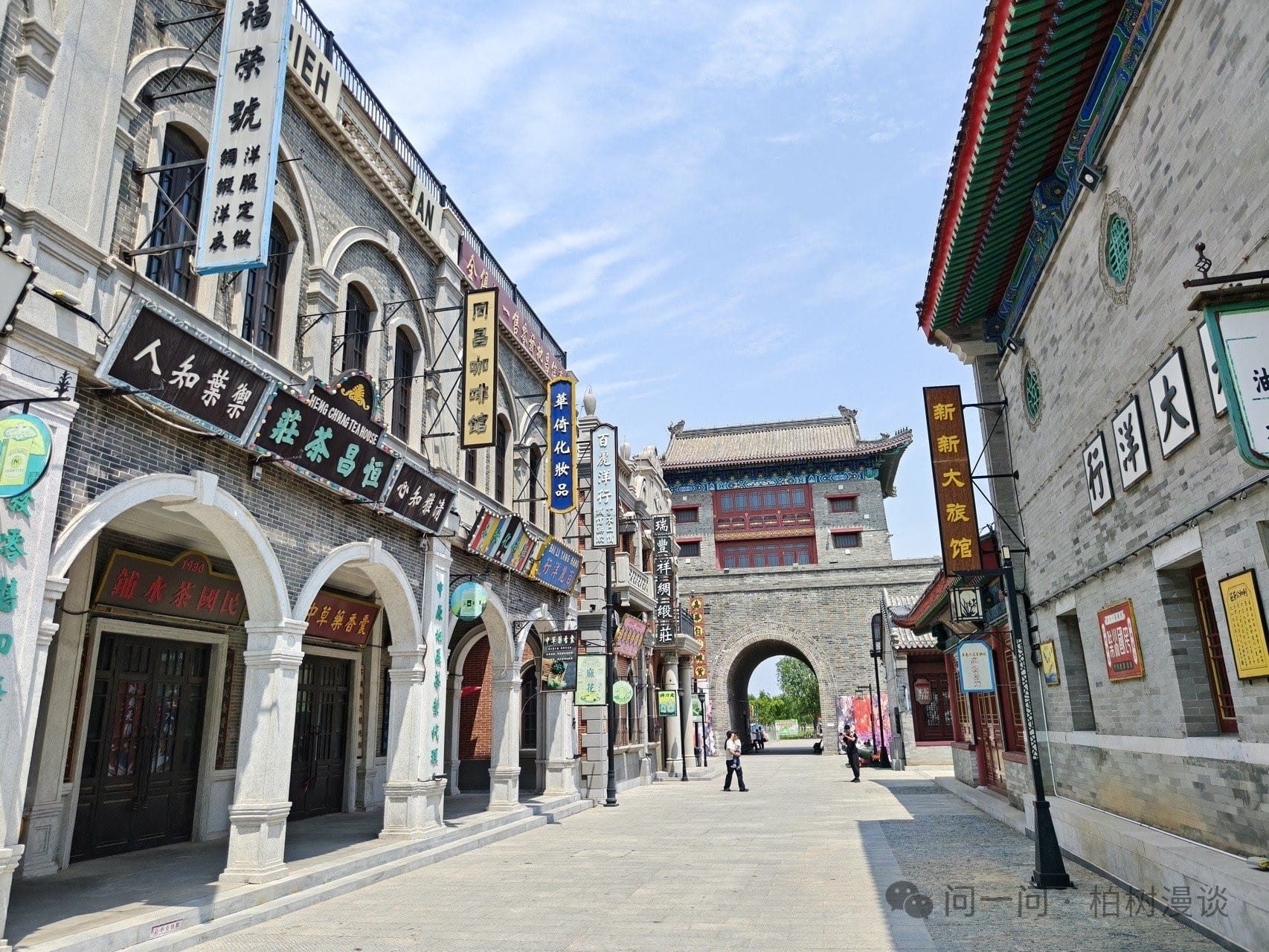
辞灶是有仪式的,那就是在饺子出锅时,先盛出两碗供在灶台上,然后烧半刀黄表纸,把那张灶马也一起焚烧。焚烧完毕,将饺子汤淋一点在纸灰上,然后磕一个头,就算祭灶完毕。这是最简单的。比较富庶的人家,则要买来些关东糖供在灶前,上供的意思大概是让即将上天汇报工作的灶王爷尝点甜头儿,在玉皇大帝面前多说好话。也有人说,关东糖可以粘住灶王爷的嘴。这种说法不近情理,你粘住了他的嘴,坏话固然是不能说了,但好话不也说不成了吗?
祭完了灶,就把那张从“灶马”上裁下来的灶马头儿贴到炕头上,所谓灶马头,其实就是一张农历的年历表,一般都是拙劣的木版印刷,印在最廉价的白纸上。最上边印着一个小方脸、生着三绺胡须的人,他的两边是两个圆脸的女人,一猜就知道是他的两个太太。当年,我就感到灶王爷这个神灵的很多矛盾之处,其一,就是他成年累月地趴在锅灶里受着烟熏火燎,肯定是个黑脸的汉子——乡下笑话别人脸黑,总是这样调侃:“看你像个灶王爷似的。”但灶马头上的灶王爷脸很白。灶马头上都印着来年几龙治水的字样。“一龙治水”的年头儿主涝,多龙治水的年头主旱,“人多乱,龙多旱”,这句俗语就是从这里来的,其中原因与“三个和尚没水吃”如出一辙。
过了辞灶日,春节就迫在眉睫了。在孩子的感觉里,这段时间还是很漫长。终于熬到了年除夕,这天下午,女人们带着女孩子在家包饺子,男人们带着男孩子去给祖先上坟。而这上坟,其实就是去邀请祖先回家过年。上坟回来,家里的堂屋墙上,已经挂起了家堂轴子,轴子上画着一些冠冕堂皇的古人,还有几个像“忆苦戏”里常见的小孩子,和那些财主家戴着瓜皮小帽的小崽子一模一样,在那里放鞭炮。轴子上还用墨线起好了许多的格子,里边填写着祖宗的名讳。轴子前摆着香炉和蜡烛,还有几样供品。无非是几颗糖果,几块饼干。讲究的人家还做几个碗,碗底是白菜,白菜上面摆着几片油炸的焦黄的豆腐之类。不可缺少的是要供上一把斧头,取其谐音“福”字。这时候,如果有人来借斧头,那是要遭极大的反感。院子里已经撒满了干草,大门口放一根棍子,据说是拦门棍,拦住祖宗的骡马不要跑出去。
那时候,不但没有电视,连电都没有,吃过晚饭就睡觉。睡到三星正晌时,被母亲悄悄地叫起来。起来穿上新衣,感觉到特别神秘,特别寒冷,牙齿得得地颤抖。家堂轴子前的蜡烛已经点燃,火苗颤抖不止,照耀得轴子上的古人面孔闪闪发光,好像活了一样。院子里黑得伸手不见五指,仿佛有许多的高头大马在黑暗中咀嚼谷草。如此黑暗的夜再也见不到了,现在的夜不如过去黑了——这是真正地开始过年了。
这时候绝对不许高声说话,即便是平日里脾气不好的家长,此时也是柔声细语。至于孩子,头天晚上母亲已经反复地叮嘱过了,过年时最好不说话,非得说时,也得斟酌词语,千万不能说出不吉利的词,因为过年的这一刻,关系到一家人来年的运道。做年夜饭不能拉风箱——“呱嗒呱嗒”的风箱声会破坏神秘感——因此要烧最好的草,棉花柴或者豆秸。我母亲说,年夜里烧花柴,出刀才。烧豆秸,出秀才。秀才嘛,就是知识分子,有学问的人,但“刀才”是什么,母亲也解说不清。大概也是个很好的职业,譬如武将什么的,反正不会是屠户或者是刽子手。
因为草好,灶膛里火光熊熊,把半个院子都照亮了。锅里的蒸汽从门里汹涌地扑出来。白白胖胖的饺子下到锅里去了。每逢此时,我就油然地想起那个并不贴切的谜语:从南来了一群鹅,扑棱扑棱下了河。饺子熟了,父亲端起盘子,盘子上盛了两碗饺子,往大门外走去。男孩子举着早就绑好了鞭炮的杆子,紧紧地跟随着。父亲在大门外的空地上放下盘子,点燃了烧纸后,就跪下向四面八方磕头。男孩子把鞭炮点燃,高高地举起来。在震耳欲聋的鞭炮声中,父亲完成了他的祭祀天地神灵的工作。
回到屋子里,母亲、祖母们已经欢声笑语了。神秘的仪式已经结束,接下来就是活人的庆典了。吃饺子之前,晚辈们要给长辈磕头,而长辈们早已坐在炕上等待着了。我们在家堂轴子前一边磕头一边大声地报告长辈:给爷爷磕头,给奶奶磕头,给爹磕头,给娘磕头……长辈们在炕上响亮地说着:不用磕了,上炕吃饺子吧!晚辈们磕了头,长辈们照例要给一点儿磕头钱,一毛或是两毛,这已经让孩子们兴奋雀跃了。
年夜里的饺子是包进了钱的',我家原来一直包清朝时的铜钱,但包了铜钱的饺子有一股浓烈的铜锈气,无法下咽,等于浪费了一个珍贵的饺子,后来就改用硬币了。现在想起来,那硬币也脏得厉害,当时,我们根本想不到这样奢侈的问题。我们盼望着能从饺子里吃出一个硬币,这是归自己所有的财产啊,至于吃到带钱饺子的吉利,孩子们并不在意。有一些孝顺儿媳白天包饺子时就在饺子皮上做了记号,夜里盛饺子时,就给公公婆婆的碗里盛上带钱的,借以博得老人家的欢喜。有一年,我为了吃到带钱的饺子,一口气吃了三碗,钱没吃到,结果把胃撑坏了,差点儿要了小命。
还有一件趣事不能不提,那就是装财神和接财神。往往是一家人刚刚围桌吃饺子时,大门外就起了响亮的歌唱声:“财神到,财神到,过新年,放鞭炮。快答复,快答复,你家年年盖瓦屋。快点拿,快点拿,金子银子往家爬……”听到门外财神的歌唱声,母亲就盛上半碗饺子,让男孩送出去。扮财神的,都是叫花子。他们提着瓦罐,有的提着竹篮,站在寒风里,等待着人们的施舍。这是叫花子们的黄金时刻,无论多么吝啬的人家,这时候也不会舍不出那半碗饺子。
那时候,我很想扮一次财神,但家长不同意。母亲说过一个叫花子扮财神的故事:一个叫花子,大年夜里提着一个瓦罐去挨家讨要,讨了饺子就往瓦罐里放,感觉到已经要了很多,想回家将百家饺子热热自己也过个好年,待到回家一看,小瓦罐的底儿不知何时冻掉了,只有一个饺子冻在了瓦罐的边缘上。叫花子不由得长叹一声,感叹自己命运实在是糟糕,连一瓦罐饺子都担不起。
现在,如果愿意,饺子可以天天吃,没有了吃的吸引,过年的兴趣就去了大半,人到中年,更感到时光的难留,每过一次年,就好像敲响了一次警钟。没有美食的诱惑、没有神秘的气氛、没有纯洁的童心,就没有过年的乐趣,但这年还是得过下去,为了孩子。我们所怀念的那种过年,现在的孩子不感兴趣,他们自有他们欢乐的年。
时光实在是令人感到恐慌,日子像流水一样一天天滑了过去。
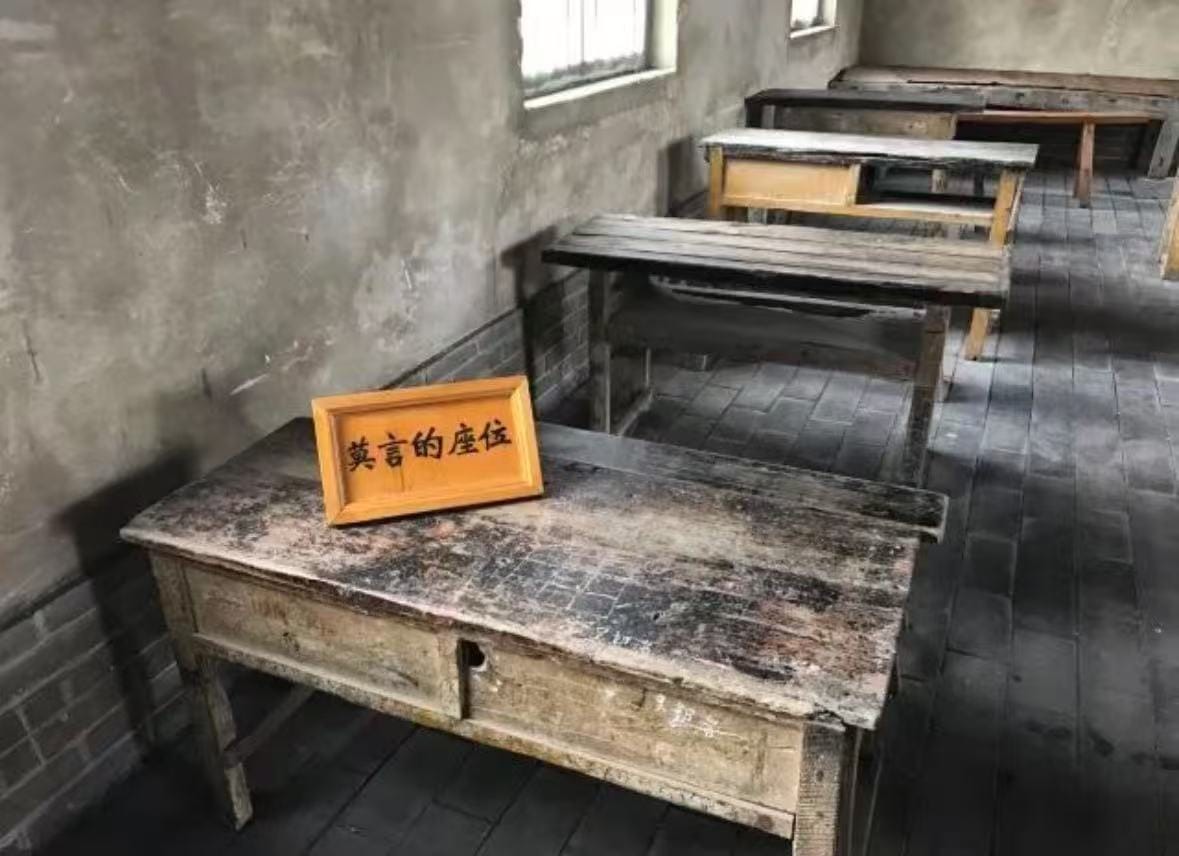
Mo Yan, un reconocido escritor, nació en 1955 en Gaomi, provincia de Shandong, China. En 2012, ganó el Premio Nobel de Literatura. Actualmente, es vicepresidente de la Asociación de Escritores Chinos y profesor en la Universidad Normal de Pekín.
Mo Yan, a renowned writer, was born in 1955 in Gaomi, Shandong Province, China. In 2012, he won the Nobel Prize in Literature. Currently, he is the vice chairman of the Chinese Writers’ Association and a professor at Beijing Normal University.
莫言,著名作家,1955年生,中国山东高密人。2012年获诺贝尔文学奖。现为中国作家协会副主席,北京师范大学教授。