
The Shadow of the Sundial – Zhao Lihong / 赵丽宏
In my dream, I have silver hair and beard, like an erudite prophet who preaches aphorisms of ultimate wisdom to caution the world, but I open my mouth and can’t utter a sound.
The Shadow of the Sundial
Introduction:
The shadows moves in the sun,
In a course uncertain.
Is it that the sun drives the shadow, Or that the shadow drives the sun?
In my dream, I have silver hair and beard, like an erudite prophet who preaches aphorisms of ultimate wisdom to caution the world, but I open my mouth and can’t utter a sound.
Exhausted from my trek, I sit on a roadside rock and pant softly, my voice producing a long echo in the silence. Time, with you scurrying ahead, why can’t I catch up with you?
Is time a concrete matter? Maybe it isn’t, but what happens in the world without the intervention of time? Maybe it is, but who can give a description of time since it is shapeless, colorless and soundless?
We often say “the brevity of time” because every passing moment is as transient as a spark flickering on a flint. On a second thought, what in the world can be more everlasting than time, which is simply a continuum to be either traced back to the past or passed on into the future? There is no end of time in the cosmos.
It is reasonable to say that time flows like water. Water flows on land freely, and no one can obstruct it in its course. However, the flow of water may go dry, but time never stops its forward progression. It is also reasonable to say that time flashes like lightning. A strike of lightning signifies vividly a passage of time. After the lightning, the world reverts to stillness and darkness. Then, is time the flash of lightning or the stillness and darkness?
We attach different tags to different segments of time — seconds, minutes, hours, days, weeks, months, years, centuries... Each of the tags may represent a special meaning for a specific person, for something of great significance to him/ her happened at that specific moment,e.g.,a certain someone was born,a war broke out, an era started,etc. However, do all these tags mean anything for time itself? A day, a month, a year, a century :— in the endless continuum of time, all these are but a drop in the ocean or a flash in the pan.
Even the greatest persons cower at the might of time like sniveling impotents. When they are in their prime to command the progress of humanity, their time radiates brilliant light like gold jewelries and diamonds. Then,all of a sudden as it appears,all their achievements belong to the bygones and turn into history.
According to Albert Einstein's hypothesis, if we traveled at the speed of light, we could go back to the distant past and actually land in the world of our ancestors. Then, I could create my own version of history, in which I would try to illuminate the dark age with reason and quell the strife of madness with enlightenment. I would also try to change the fates of the historical figures who had been wronged or mistreated, and to avoid some personal tragedies with historical resonance. For example, I would stop Qu Yuan (a famous Chinese poet in the 3rd century BC) from drowning himself, rescue Giordano Bruno from prison, divert the bullet aimed at Alexander Pushkin, and make sure that Adolf Hitler never gets a chance to appear in the world.
However, I have to ask myself: If I created my own version of history and changed the fates of ancestors, would there still be the world as I live in today, and would there still be a person as I am now?
I suppose I would never travel at the speed of light, nor would my fellow humans, my contemporaries and my descendants in any likelihood. Therefore, I can’t re-create history. Moreover, I don’t want to be a great man with the power to re-create history. Even Einstein himself could do no better; intelligent and innovative as he was, he couldn’t alter what had happened — even if he traveled at the speed of light.
When I was working as an “Educated Youth” in the countryside, one day I took a rest alone by lying down under a tree. In the dappled shadow through the foliage, I was intrigued by the sight of a tiny green caterpillar,which inched its way up along a thin and pliant twig by wriggling its body in a peculiar manner. In the sunlight, its body looked glittery and transparent. Such a climb must be quite an ordeal for it,as an onlooker would naturally imagine. After a long, long climb, the tiny green caterpillar reached the top of the twig and had nowhere to go. Right at that moment, a gust of wind shook the twig and the caterpillar dropped to the ground. What a shame for the poor creature to lose all its progress only because of a slight wind up for a little while! “If I were the caterpillar, I would be overwhelmed with anguish,” I mused. The caterpillar struggled on the ground and began to wriggle its way around slowly. “Maybe it’ll learn its lesson and know better than climbing up?" I thought. I took a nap under the tree, and when I woke up, I found the caterpillar on that thin and pliant twig again! Like in the last time, it exerted all its strength to wriggle upward inch by inch. I was astonished at the sight and couldn’t figure out any apparent reason for its behavior: What had kept it going with such tenacity? What made it follow the beaten path so doggedly? And why on earth did it want to go to the top of that twig? The caterpillar invoked a revelation on me with an act of persistence — out of stupidity or wisdom?
The tenacious and untiring caterpillar reminded me of Sisyphus in Greek mythology. After he was banished to Tartarus upon death, Sisyphus was consigned to a penal labor of rolling a huge boulder up a steep hill. However, as soon as he pushed the boulder to the hilltop with great effort, the magical boulder didn’t stay there but rolled downhill of its own accord with Sisyphus chasing after it. Then, he had to roll the boulder uphill step by step again, before the boulder rolled downhill again and Sisyphus had to start the task anew... Thus, Sisyphus was doomed to an eternity of useless efforts and unending frustration, which the Olympian gods believed to be a most severe punishment for him. Sisyphus couldn't resist the gods in doling out their punishment, but he was not broken at all under the hard and tedious labor; it pained him to roll the boulder again and again, and it also strengthened him to work tirelessly and persistently. Some people believe that the image of Sisyphus rolling a boulder represents the absurdity of human life in a simple and vivid way: Most of us actually drone away our lives in repetition from day to day. Well, do we live in a world as hellish as Tartarus? Not quite so. Albert Camus argued that “one must imagine Sisyphus happy” because he held sway over his fate as he went on with his own business of rolling the boulder, and “the struggle itself towards the heights is enough to fill a man’s heart.”
Like the tiny green caterpillar wriggling on the twig, Sisyphus spent all his time and energy in the endless up-and-down rounds of a taxing penal labor for a dubious purpose. Is this an epitome of life?
Naturally I’d like to avoid being cast in the situation of the tiny green caterpillar wriggling on the twig, or the plight of Sisyphus in his eternal labor. I only want to be an ordinary man, living out my own free will. Unfortunately, a lot of things are out of my control.
Humans are such bewildering beings! On a gloomy day overcast with haze, we crave the sunshine which will disperse the clouds and lighten up the land, while on a sunny day, we often hope that some clouds will come over the sky and block out the sun. When darkness overwhelms the entire world, a flicker of light will be the most valuable thing to come by; a star, a bonfire, even a spark the size of a bean can be a stimulant for life,a serving of bread and spring water for the hungry,and a beautiful song in the dead silence — in all, light means hope and confidence. However, what will happen if darkness is removed from the world? Perhaps, light will be the target of people's curses, and poets will cry out at the sun: “Go away! Give us back the dark nights,and give us back the stars and the moon!” Our ancestors might already be familiar with such a human mentality,as it likely took them more than groundless fancies to come up with the mythical story about the legendary archer Hou Yi shooting down nine out of ten suns in the sky.
The Creator has given each of us a pair of eyes,with which we view the natural world, look at the ways of life, and observe the events taking place around us. Eyes are also the outlets of our emotions: We laugh and cry with the help of our eyes and, as a most fantastic twist, drops of glittering liquid may come out of our eyes in emotional outbursts!
When a baby leaves its mother’s womb,its convulsive cries are beyond anyone’s consoling. The baby doesn't care about how people look at it but cries freely and vivaciously at the top of its voice, with tears streaming down its rosy little face amidst the loud wails resonating in the world. What can a baby offer to return the favor of the welcome from a new world it is born into? Nothing but its cries!
Why does a baby cry? The alarm at the sudden light, the chill of an air-filled world in contrast to the cozy womb, or the pain from a severed umbilical cord? We don’t know. But we can be certain that sadness is the last to be hinted in the cries of a new-born baby. Poets often compare a new-born baby's cries to the proclamation of life and the most jubilant and innocent song of the human world — rightfully so! When a baby grows into a child and then an adult, who can still remember his or her own new-born cries? And who can tell how he or she cried, and for what reason? Even those poets scratch their heads in confoundedness. For a helpless and ignorant baby, crying is simply a basic instinct. In the beginning of our lives, we all cried loudly and unashamedly due to the basic instinct — an indispensable experience for our initiation into true human, perhaps.
When we grow up to be acclimated to the ways of the world, to develop a full spectrum of emotions, to learn about love and hatred, and to take care of our own public images through facial expressions, we encounter a problem: crying. Crying is no longer one of our instinctive expressions of need, and tears begin to be associated with sadness, gloom, anger and possibly extreme joy. As a saying goes, t6A girl sheds tears like gold ingots,” and as another saying teaches us, “A man withholds his tears even in utmost grief.), An outburst in tears is then turned into a major event in our lives.
A major event is not an impossible event though,as everyone has experienced such outbursts. The removal of such “major events” from my life or the inability to produce tears in my eyes would likely mean the end of my journey in this world, I suppose.
In what ways can a soul develop magnanimity? In its growth, the soul goes through a lot of personal minutiae which accumulate and settle down in its depths, not unlike the process of a seed being planted, taking root, sprouting, leafing out and finally bearing flowers. In terms of broadness the soul can be compared to a vast field, on which the seeds of sensibility and reason grow into robust flowering plants that live and die by themselves but never go out of existence; everything in our views and in our thoughts, every joyful or sorrowful sentiment of our hearts, can be found gliding freely across the endless expanses of this open field.
Any life, in a carefree flight on its daring wings,cannot pass the barrier of fate or go beyond the ultimate line —- death. All we can do is but coping with the limited time and space in our wandering journey on a winding path — a path that is naturally short and liable to a premature end at any time for an individual, but considerably long to the point of eternity with no foreseeable end for the entire humanity.
As long as there is breath in me, I’ll keep going. I don't know what will appear ahead of me, but I quicken my steps for a desire of knowing. Different people may pursue different paths although they share a similar lifespan in the world: Some travel far and wide to see a lot of beautiful scenery, while some live in confinement and remain ignorant of the world’s vastness and colorfulness all along.
I often look back on my footprints, only to miss the path of my previous journey, as countless crisscrossing footprints have covered my track.
Lifting up my eyes at the sky, I never feel bored or satiated with the sight. On the sky? a yearning for freedom is sketched with a darting bird, and an attitude of leisure is portrayed with a bank of drifting white clouds; sometimes, dark clouds tumble and roll against a rapidly shifting sky which mesmerizingly embodies the histories of the cosmos and the human world, and a momentary clear-up reflects the futility of all the turmoil and struggle in the millions of years.
A night sky bestrewn with twinkling stars makes the most fascinating sight for humans. Vast, deep, mysterious, boundless... All these words are used to describe the night sky. Most of the mythologies come from the experiences of early humans who would gaze into the star-strewn sky but couldn't pry out its secrets. While looking up at the night sky, I often delve into wild fantasies, in which Chinese fables and foreign myths merge into the starry light scintillating against the dark firmament.
In Chinese mythology, Chang'e, wife of the legendary archer Hou Yi, flies to the moon in pursuit of immortality; in Greek mythology,Daphne,a beautiful but chaste nymph, pleads to be turned into a laurel tree in order to escape the chase of Apollo. When taking a stroll in the cold palace on the moon, Chang’e comes across a magical laurel tree — probably the incarnation of Daphne? As the two lonely women meet, what intimate thoughts will they unburden to each other?
In an airborne expedition, King Mu of Zhou rides his chariot driven by eight winged horses and comes head-on towards Helios in the chariot of sun driven by four fire-spewing steeds. The magical horses from China and Greece pass by each other in the mid-air at lightning speed,as hoofs and wheels rumble like thunder between heaven and earth...
When the sun-shooting hero Hou Yi meets the sun god Apollo in flight, will they engage each other in a fierce battle with bow and arrow, or in a hearty hobnob with good wine?
Windy weather often reminds me of Boreas, the Greek god of north wind, who flaps his wings on his shoulders and calls up strong winds and heavy rains from the air in a rock-whirling and earth-shaking storm. The Lady of Wind in Chinese legends may lend a hand in the scene: With graceful movements of her long sleeves, she conjures up gentle breezes, in which birds fly in separate ways and flowers drift in swirls. That has inspired me with a strange idea: Is the wind categorized into masculine and feminine?
In silence,there are “guffaws of laughter of the gods”,as described in the Homeric epics, ringing beside my ears, echoed by the hubbub stirred up by the mighty but unruly Monkey King as he wreaks havoc on the Heavenly Palace...
Sometimes, stars are not visible in a cloudless night. The sky, as black as ink, looks deep and unfathomable,dragging my thoughts to a black hole in the distant space.
What is a black hole? An eye spying on everything from nowhere. All the things in its sight will be sucked into it and vanish in its endless darkness. Perhaps all the humans in the present world, including me, are already caught in its sight and have been experiencing a process of being sucked in, which, though painful in essence, goes on so slowly and imperceptibly in a methodologically predefined course that we don't feel any pain at all.
In that case, the dead may have already undergone such pain as they leave the present world and vanish in the black hole. What do they feel when they pass the boundary and are sucked into the black hole? That may never be made known to the living.
Stephen Hawking, the man who made groundbreaking discoveries about black holes, sits on his wheelchair and gazes into the night sky with a vision as deep and unfathomable as the universe itself.
The infinity of the universe has challenged my reasoning since my childhood; the more I think about it,the more I get confused. If there is “another” sky beyond “this” sky,then will there be “still another” sky beyond the “another” sky? The origin of the universe brings even more confusion to my mind. It is widely accepted that the universe was created in the beginning of time from an extremely powerful “Big Bang”,which caused the universe to expand by a billion times in a matter of moments. Even to this day, the universe is still expanding. The hypotheses of the “Big Bang” and an expanding universe are substantiated in Albert Einstein’s theory of general relativity.
So concludes Hawking in his wheelchair: ''Given that the hypothesis about an expanding universe is correct,the universe contains a sufficient amount of dark matter, which seems to be quite different from the normal matter that makes up stars and planets.”
“Dark matter”,or invisible matter, arguably accounts for 90% of the total matter in the universe. That means that a majority of what’s around me in the world is actually beyond my senses — spooky,isn’t it?
Scientists are busy looking for the sound evidence of the existence of (“dark matter”. Such a quest may be the most abstract and mystical task humans have ever seen. I’ll keep my fingers crossed for them!
As for ordinary folks like me, life is to be relegated to the experiences in observing and feeling the rest 10% of normal matter. But that is far from an inadequacy that prevents my imagination from flying far and high.
A dappled sparrow which I can't name flies over and lands by the window of my study. Its grey feathers are laced with a few strands of bright red. Such a lovely creature is fortunately free from the invisibility of “dark matter”. The sparrow raises its head and meets my gaze. It doesn’t seem to cringe at my prying eyes and stares back at me undauntedly, its sparkling little eyes suggesting an embodiment of all the wonder and wisdom between heaven and earth; judging from its looks, it is poised to pose questions at me and to tell me what it has experienced in faraway places.
I reach my hand at it, but the sparrow extends its wings and shoots into the sky.
How is it that the gleam in its eyes has touched a chord in my heart?
In a breeze, reeds sway gracefully in soft, sultry waves to display to the world the myriad charms of flamboyant life. O gentle breeze, you are the rouge and powder for every form of life, and you dance around each of the reeds for which you create custom-made dress with ethereal and transparent gossamer; while you cast your dreams and fantasies in the air,your dances turn verdant reed leaves and silvery reed catkins into butterflies and birds that flap off into the clear sky.
As a breeze causes ripples across the field, many a swaying reed looks like a poet lost in meditation.
I witnessed how the reeds were destroyed during a storm. The wind, much stronger than a breeze, took on a different appearance: Gentleness and elegance were replaced by madness and violence. Ripped leaves swirled in the gusts, and broken stalks trembled in the mud... It was an unfair battle, in which the powerful invaders ravaged and slaughtered the helpless victims.
After the storm, the world was restored to its usual peace. The strong wind diminished into a breeze which strolled around in leisurely steps. The destroyed reeds, unfortunately, could no longer embrace the breeze with a graceful demeanor. O gentle breeze, are you here to inspect the trophies of battle on behalf of the storm, or to console these damaged lives out of guilt and pity?
The reeds remained silent. On the prone stalks, there were still green leaves which, when fluttering in the breeze, waved listlessly like hands, as if in protest or refusal.
Poor reeds! They would never harbor any vengeful ideas when they lay prone on the ground and nursed their wounds silently in the breeze. Born as reeds, they would never exact vengeance for what they had suffered; they had to endure and survive, until they could proclaim the indomitable will of life with their miraculous revival.
And the wind, in its wayward itinerary, can beautify life as a breeze or destroy life as a storm; some people praise it, while some people curse it.
There is no point in encouraging yourself by resorting to the brilliant words from a philosopher^ dictionary! Every person living in this world is already entitled to all the prerequisites of being a philosopher. You fight an uphill struggle to scrape a living, you experience love and hatred, you look for something, you pursue a goal, you ponder on your existence, and you act on your own discretion — then probably you are a philosopher yourself. Don't excuse yourself with the quibble that you lack a philosopher’s wisdom and profundity — even if you are naturally slow at speech, every word that comes out of your mouth may be an enlightening axiom.
A traveler will eventually come to the end of his journey. It doesn’t matter at which point the journey ends for good; the things of great import to the traveler are how much mileage he has covered, what places he has visited, and what sights he has seen — before the end of the journey.
Wouldn't it be an interesting idea to choose a scenic spot as the end of the journey — life? Nevertheless, there should be no regret in ending life in a dark place, an untraveled region, or a barren land in the wilderness; as long as the life serves as a treasure trove of stories and a lighthouse of guidance for people, those caring looks of concern on that life will not have been cast in vain.
I lift up my eyes at the sky — I know that some supreme being up there is looking down on me. The universe over my head is God, in whose eyes glints a condensation of all the things that are beyond the scope of my understanding or reach. In his deep and broad vision, everything on the earth is granted forgiveness.
However, I believe there is only one thing escapable from God's all-powerful scrutiny — my heart. Do you know what Pm thinking about, what Tm hoping for, and what I’m looking forward to? No, God,you don’t know, and neither will I tell you; you are wrong if you think you know everything through omniscience.
Indeed, for my heart, I am God myself.
Early Autumn 2000 at my Four-Pace Study

日晷之影
影子在日光下移动,
轨迹如此飘忽。
是日光移动了影子,
还是影子移动了日光?
——题记
我梦见自己须髯皆白,像一个满腹经伦的哲人,开口便能吐出警世的至理格言。我张开嘴巴,却发不出一点声音。
我走得很累,坐在路边的石头上轻轻地喘息,我的声音却在寂静中发出悠长的回声。时间啊,你正在前方急匆匆地走,为什么,我永远也无法追上你?
时间是不是一种物质?说它不是,可天地间哪一件事物与它无关?说它是,它无形无色无声,谁能描绘它的形状?
说它短促,它只是电光闪烁般的一个瞬间。然而世界上有什么事物比它更长久呢,它无穷无尽,可以一直往上追溯,也可以一直往下延续,天地间永远没有它的尽头。
说时间如流水,不错,水在大地上奔流,没有人能阻挡它奔腾向前。然而水流有干涸的时候,时间却永不停止它的前行。说时间如电光,不错,电光一闪,正是时间的一个脚步。电光闪过之后,世界便又恢复了它的沉寂和黑暗。那么,时间究竟是闪烁的电光,还是沉寂和黑暗?
我们为时间设定了很多标签,秒,分,小时,天,月,旬,年,世纪……对于人类来说,每一个标签都有特定的意义,因为,在这个时刻,发生了对于某些人具有特殊意义的事件,比如某个人诞生,某一场战争爆发,某一个时代开始……然而对于时间来说,这些标签有什么意义呢?一天,一个月,一年,一个世纪,在世间的长河中都只能是一滴水,一朵浪花,一个瞬间。
再伟大的人物,在时间面前,都会显得渺小无能。叱咤风云的时候,时间是白金,是钻石,灿烂耀眼,光芒四射。然而转瞬之间,一切都已经过去,一切都变成了历史。
根据爱因斯坦的假设,如果能以光的速度奔跑,我就能走进遥远的历史,能走进我们的祖先曾经生活过的世界。于是,我便也能以现代人的观念,改写那些已经写进人类史册的历史,为那些黑暗的年代点燃几盏光明的灯火,为那些狂热的岁月泼一点清醒的凉水。我也能想办法改变那些曾经被扭曲被冤屈的历史人物的命运,取消很多人类的悲剧。我可以阻止屈原投江,解救布鲁诺出狱,我可以使射向普希金的子弹改变方向,也能使希特勒这个罪恶的名字没有机会出现世界上……
然而我也不得不自问,如果我改变了历史,改变了祖先们的命运,那么,这天地之间上还会不会有我此刻所处的世界,还会不会有我这样一个人?
我想,我永远也不可能以光速奔跑,我的同类,我的同时代人,我的后代,大概都不可能这样奔跑。所以我不可能改变历史,而且,我并不想做一个能改变历史的好汉。爱因斯坦也一样,他再聪明伟大,也无法改变已经过去的历史。即使他能以光速奔跑。
在乡下"插队"时,有一次干活休息,我一个人躺在一棵树下,斑驳的阳光透过树叶的缝隙照在我的身上。我的目光被视野中的一条小小的青虫吸引,它正沿着一根细而软的树枝,奇怪地扭动着身体,用极慢的速度往上爬。在阳光的照射下,它的身体变得晶莹透明。可以想象,对它来说,作这样的攀登是何等艰难劳累。小青虫费了很多时间,攀登到了树枝的顶端,再也无路可走。这时,一阵风吹来,树枝摇晃了一下,小青虫被晃落在地。这可怜到小虫子,费了这么多时间和气力,却因为瞬间的微风而功亏一篑。我想,我如果是这条小青虫,此刻将会被懊丧淹没。小青虫在地上挣扎了一会儿,又慢慢在地上爬动起来,我想,它大概会吸取教训,再也不会上树了。我在树下睡了一觉,醒来的时候,发现那条小青虫竟然又爬到了原来那根细树枝上,它还是那样吃力地扭动着身体,慢慢地向上爬……这小青虫使我吃惊,我怎么也不明白,是什么力量使它如此顽强地爬动,是什么原因使它如此固执地追寻那条走过的路,它要爬到树枝上去干什么?然而小虫子的执着却震撼了我。这究竟是愚昧还是智慧?
这固执坚韧的小青虫使我想起了希腊神话中的西西弗。西西弗死后被打入地狱,并被罚苦役:推石上山。西西弗花费九牛二虎之力,将一块巨石推到山顶,巨石只是在山顶作瞬间停留,又从原路滚落下山。西西弗必须追随巨石下山,重新一步一步将它推上山顶,然后巨石复又滚落,西西弗又得开始为之拼命……这种无效无望的艰苦劳作往复不断,永无穷尽。责令西西弗推石的诸神以为这是对他最严厉的惩罚。西西弗无法抗拒诸神的惩罚,然而推石上山这样一件艰苦而枯燥的工作,却没有摧垮他的意志。推石上山使他痛苦,也使他因忙碌辛劳而强健。有人认为,西西弗的形象,正是人类生活的一种简洁生动的象征,地球上的大多数人,其实就是这样活着,日复一日,重复着大致相同的生活。那么,我们生活的世界难道就是一个地狱?当然不是。加缪认为,西西弗是快乐而且幸福的,他的命运属于他自己,他推石上山是他的事情。他为把巨石推上山顶所作的搏斗,本身就足以使他的心里感到充实。
西西弗多像那条在树枝上爬动的小青虫。将时光和精力全部耗费在无穷的往返中,耗费在意义含混的劳役里,这难道就是人生的缩影?
我当然不愿意成为那条在树枝上爬动的小青虫,也不希望成为永远推着巨石上山的西西弗。我只想做一个普通的人,按自己的心愿生活。可是,我常常身不由己。
人是多么奇怪,阴霾弥漫的时候盼望云开日出,盼望阳光普照大地,晴朗的日子里却常常喜欢天空飘来云彩遮住太阳。黑暗笼罩天地的时候,光明是何等珍贵,一颗星星,一堆篝火,一点豆火,都会是生命的激素,是饥渴时的面包和清泉,是死寂中美妙无比的歌声,是希望和信心。如果世界上消失了黑夜,那又会怎么样呢?那时,光明会成为诅咒的对象,诗人们会对着太阳大喊:你滚吧,还我们黑夜,还我们星星和月亮!我们的祖先早已对此深有体验,后羿射日的故事,大概不是凭空杜撰出来的。
造物主给人类一双眼睛,我们用它们看自然,看人生,用它们观察世界上发生的一切事情。我们也用它们表达情感,用它们笑,用它们哭──多么奇妙,我们的眼睛会流出晶莹的液体。
婴儿刚从母体诞生时,谁也无法阻止他们的哇哇啼哭。他们不在乎任何人的看法,放开喉咙,无拘无束,大声地哭,泪水在他们红嫩的小脸上滚动,嘹亮的哭声在天地间回荡。哭,是他们给这个迎接他们到来的世界的唯一回报。
婴儿为什么哭?是因为突然出现的光明使他们受了惊吓,是因为充满空气的世界远比母亲的子宫寒冷,还是因为剪断了连接母体的脐带而疼痛?不知道。然而可以肯定,此时的哭声,没有任何悲伤的成分。诗人写诗,把婴儿的啼哭比做生命的宣言,比做人间最欢乐纯真的歌唱,这大概不能说错。而当婴儿长成孩童,长成大人后,有谁能记得自己刚钻出娘胎时的哭声,有谁能说清楚自己当时怎样哭,为什么而哭。诗人们自己也说不清楚。无助无知的婴儿,哭只是他们的本能。我们每个人当初都曾经为这样的本能大声地、毫不害羞地哭过。没有这样的经历,大概不能成为一个真正的人。
当我们认识了世事,积累了感情,有了爱憎,当我们开始在意自己的形象和表情,哭,就成了问题。哭再不可能是无意识的表情,眼泪,和悲哀、忧伤、愤怒、欢乐联系在一起。有说"姑娘的眼泪是金豆子",也有说"男儿有泪不轻弹",流眼泪,成了生命中的严重事件。
人人都经历过这样的严重事件。我想,当我的生活中消失了这样的"严重事件",当我的眼睛失去了流泪的功能,我的生命大概也就走到了尽头。
心灵为什么博大?因为心灵在成长的过程中,经历了无数细微的情节,它们积累,沉淀,像种子在灵魂深处萌芽,生根,长叶,最终会开出花朵。把心灵比作田地,心田犹如宽广的原野,情感和思索的种子在这原野里生生灭灭,青黄相接,花开不败。我们视野中的一切,我们思想中的一切,我们所有的喜怒哀乐,都在这辽阔无边的原野中跋涉驰骋。
生命纵然能生出飞舞的翅膀,却无法飞越命运的屏障,无法飞越死亡。我们只是回旋在受局限的时空里,只是徘徊在曲折的小路上。对于个人,小路很短,尽头随时会出现。对于人类,这曲折的小路将永无穷尽。
活着,就往前走吧。我不知道前面会出现什么,但我渴望知道,于是便加快脚步。在天地之间活相同的时间,走的路却可能完全不同,有人走得很远,看见很多美妙的景色,有的人却只是幽囚于斗室,至死也不明白世界有多么辽远阔大。
我常常回过头来找自己的脚印,却无法发现自己走过的路在哪里,无数交错纵横的脚印早已覆盖了我的足迹。
仰望天空,我永远也不会感到枯燥和厌倦。飞鸟划过,把自由的向往写在天上。白云飘过,把悠闲的姿态勾勒在天上。乌云翻滚时,瞬息万变的天空浓缩了宇宙和人世的历史,瞬间的幻灭,演示出千万年的动荡曲折。
最神奇的,当然是繁星闪烁的天空。辽阔,深邃,神秘,无垠……这些字眼,都是为夜空设置的。人间的神话,大多起源于这可望及而不可穷尽的星空。仰望夜空时我常常胡思乱想,中国的传说和外国的神话在星光浮动的天上融为一体。
嫦娥为了追求长生而投奔月宫,神女达佛涅为了摆脱宙斯的追求变成了一棵月桂树,嫦娥在月宫里散步时走到了达佛涅的月桂树下,两个同样寂寞的女神,她们会说些什么?
周穆王的八骏马展开翅膀腾云驾雾,迎面而来的,是赫利俄斯驾驭着那四匹喷火快马曳引的太阳车,中国的宝驹和希腊的神马在空中擦肩而过,马蹄和车轮的轰鸣惊天动地……
射日的后羿和太阳神阿波罗在空中相遇,是弓剑相见,还是握手言欢?
有风的时候,我想起风神玻瑙阿斯,他拍动肩头的翅膀,正在天上呼风唤雨,呼啸的大风中,沙飞石走,天摇地撼。而中国传说中的风姨女神,大概也会舞动长袖来凑热闹,长袖过处,清风徐来,百鸟在风中飞散,落花在风中飘舞……我由此而生出奇怪的念头:风,难道也有雌雄之分?
在寂静中,我的耳畔会出现荷马史诗中描绘过的“众神的狂笑”,应和这笑声的,是孙悟空大闹天宫时发出的漫天喧哗……
有时候,晴朗的夜空中看不见星星。夜空漆黑如墨,深不可测。于是想起了遥远的黑洞。
黑洞是什么?它是冥冥之中一只窥探万物的眼睛。它目力所及的一切,都会无情地被它吸入,消亡在它无穷无尽的黑暗里。也许,我和我的同类,都在它的视线之内,我们都在经历被它吸入的过程。这过程缓慢而无形,我们感觉不到痛苦,然而这痛苦的被吸入过程正在有条不紊地进行。
那么,那些死去的人,大概是完成了这样的痛苦。他们离开世界,消失在黑洞中。活着的人们永远也无法知道他们被吸入黑洞一刹那的感觉。
发现了黑洞的霍金坐在轮椅上,他仰望星空的目光像夜空一样深不可测。
宇宙的无边无际,我从小就想不明白,有时越想越糊涂。天外有天,天外的天外的天又是什么?至于宇宙的成因,就更加使我困惑。据说,在极遥远的年代,宇宙产生于一次大爆炸,这威力巨大的爆炸使宇宙在瞬间膨胀了无数亿倍。今天的宇宙,仍在这膨胀的过程中。爱因斯坦的广义相对论为这样的“爆炸”和“膨胀”说提供了依据。
于是坐在轮椅上的霍金说话了:“假如暴胀宇宙论是正确的,宇宙就包含有足够的暗物质,它们似乎与构成恒星和行星的正常物质不同。”
“暗物质”,也就是隐形物质,据说它们占了宇宙物质的百分之九十。也就是说,在天地之间,大多数的物质,我都看不见摸不着,它们包围着我,而我却一无所知。多么可怕的事情!
科学家正在很辛苦地寻找“暗物质”存在的依据。这样的探寻,大概是人世间最深奥最神秘的工作。但愿他们会成功。
而我们这样平凡的人,此生大概只能观察、触摸那百分之十的有形物质。然而这就够了,这并不妨碍我的思想远走高飞。
一只不知名的小花雀飞到我书房窗台上。灰褐色的羽毛中,镶嵌着几缕耀眼的鲜红。这样可爱的生灵,还好没有归入隐形的一类。花雀抬起头来,正好撞到了我凝视的目光。它瞪着我,并不因为我的窥视而退缩,那对闪闪发亮的小眼睛,似乎凝集了天地间的惊奇和智慧。它似乎准备发问,也准备告诉我远方的见闻。
我向它伸出手去,它却张开翅膀,飞得无影去踪。
为什么,它的目光使我怦然心动?
微风中的芦苇姿态优美,柔曼妩媚,向世界展示生命的万种风情。微风啊,你是生命的化妆品,你用轻柔透明的羽纱制作出不重复的美妙时装,在每一株芦苇身边舞蹈。你把梦和幻想抛撒在空中,青翠的芦叶和银白的芦花在你的舞蹈中羽化成蝴蝶和鸟,展翅飞上清澈的天空。
微风轻漾时,摇曳的芦苇像沉醉在冥想中的诗人。
在一场暴风雨中,我目睹了芦苇被摧毁的过程。也是风,此时完全是另外一副面容,温和文雅不知去向,取而代之的是疯狂和粗暴,撕裂的绿叶在狂风中飞旋,折断的苇杆在泥泞中颤抖……这是一场实力悬殊的战争,是强大的入侵者对无助弱者的蹂躏和屠杀。
暴风雨过去后,世界像以前一样平静。狂风又变成了微风,踱着悠闲的慢步徐徐而来。然而被摧毁的芦苇再也无法以优美的姿态迎接微风。微风啊,你是代表离去的暴风雨来检阅它的威力和战果,还是出于愧疚和怜悯,来安抚受伤的生命?
芦苇无语。倒伏在地的苇杆上,伸出尚存的绿叶,微风吹动它们,它们变成了手掌,无力地摇动着,仿佛在表示抗议,又像是为了拒绝。
可怜的芦苇!它们倒在地上,在微风中在舔着伤口,心里决不会有报仇的念头。生而为芦苇,永不可能成为复仇者。只能逆来顺受地活下去,用奇迹般的再生证明生命的坚忍和顽强。
而风,来去无踪,美化着生命,也毁灭着生命。有人在赞美它的时候,也有人在诅咒它们。
无须从哲人的词典里选取闪光的词汇为自己壮胆。活在这世上,每一个人都具备了做一个哲人的条件。你在生活的路上挣扎着,你在为生存而搏斗,你在爱,你在恨,你在寻求,你在追求一个目标,你在为你的存在而思索,为你的行动而斟酌,你就可能是一个哲人。不要说你不具备哲人的智慧和深沉,即便你木讷少言,你也可能口吐莲花。
行者,必有停留之时。在哪一点上停下来其实并不重要。要紧的是停下来之前走了多少路,走到了什么地方,看见了一些什么。
将生命停止在风景美妙的一点上,当然有意思。即便是停止在幽暗之处,停止在人迹罕至的场所,停止在荒凉的原野,也不必遗憾。只要生命能成为一个坐标,为世人提供一点故事,指点一段迷津,你就不会愧对曾经关注你的那些目光。
我仰望天空,我知道上苍在俯视我。我头顶的宇宙就是上帝,我无法了解和抵达的一切,都凝聚在上帝的目光中,这目光深邃博大,能包容世间万物。
我想,唯一无法被上帝探知的,是我的内心。你知道我在想什么,我在憧憬什么,我在期待什么?上帝,你不知道,我也不会告诉你。如果你以为你已洞察一切,那么你就错了。
是的,对于我的内心来说,我自己就是上帝。
2000年初秋于四步斋
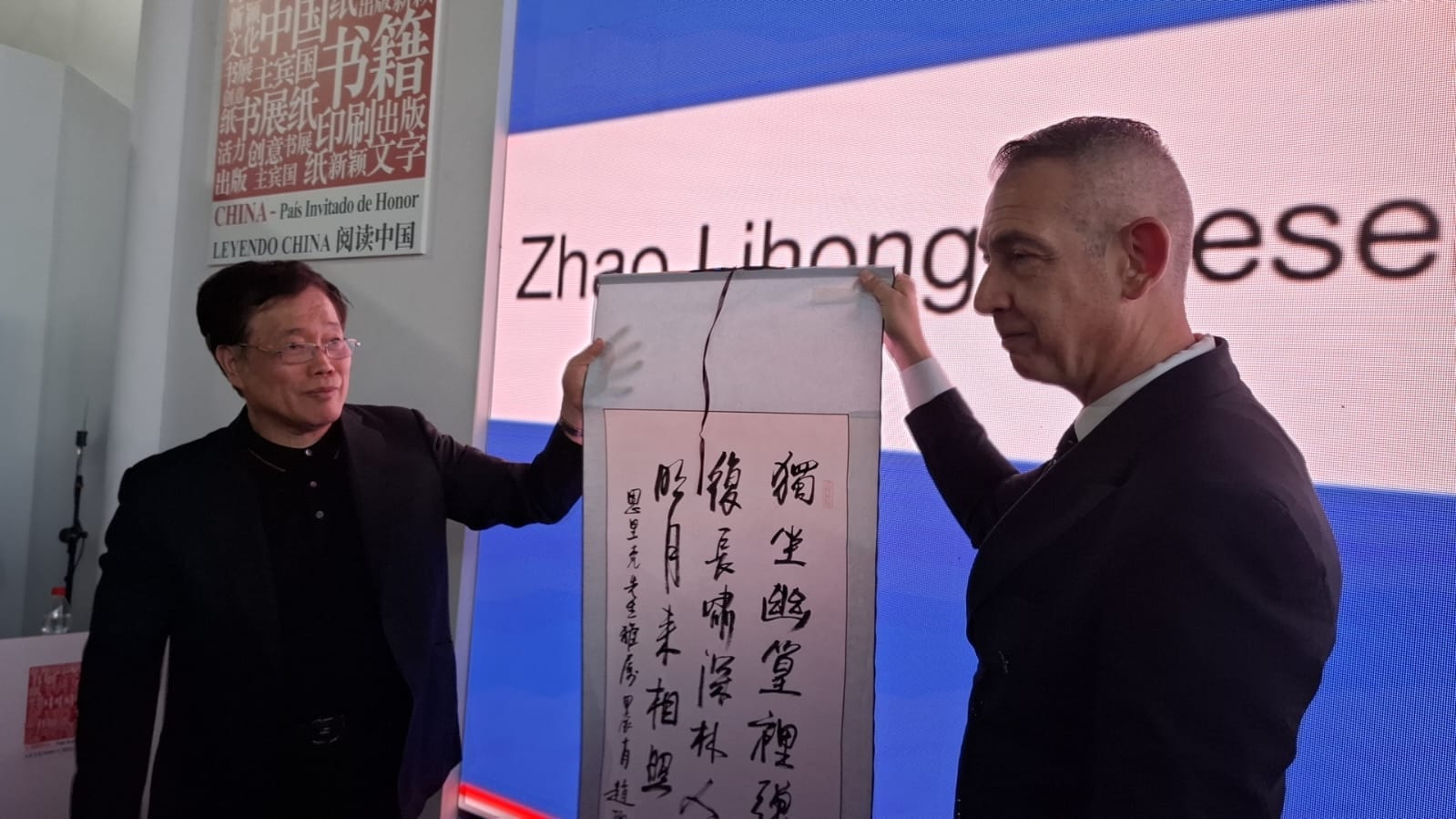
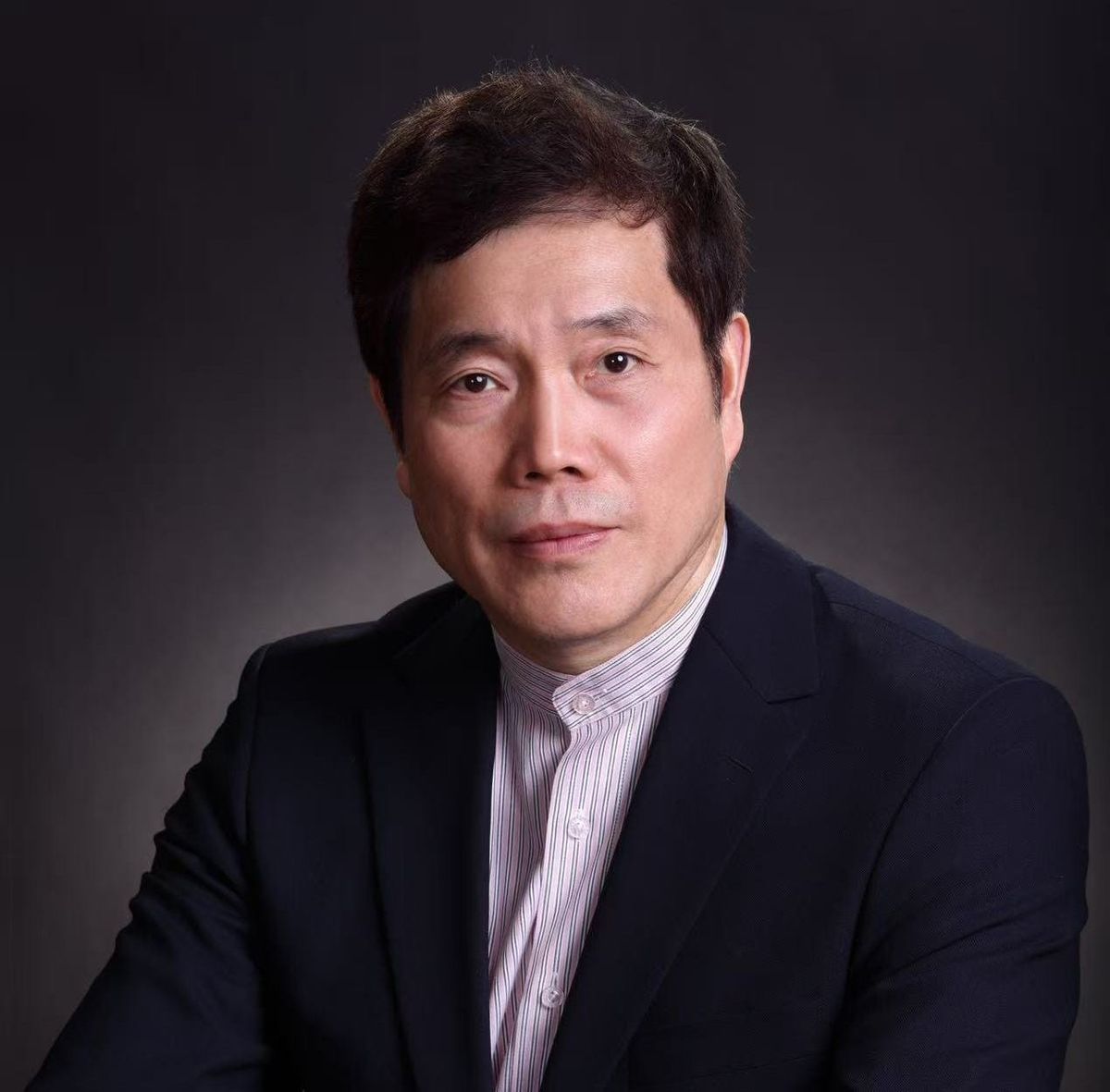
Zhao Lihong is a Chinese poet, essayist and novelist. Born in Shanghai in 1952, he is currently the chairperson of the Shanghai International Poetry Festival. He has authored over a hundred books including poetry collections, essays and novels. His representative works include poetry collections such as The Boat in the Sky, Pains and Metamorphosis. His works have won awards such as the New Era Excellent Essay Collection Award, China Good Book Award and Wenjin Book Award. In 2013, he was awarded the Smederevo Golden Key International Poetry Award in Serbia. In 2014, he received the Shanghai Literature and Art Outstanding Contribution Award and was appointed as an honorary academician of the Beijing Normal University-Hong Kong Baptist University United International College (UIC). In 2019, he won the Mihai Eminescu International Poetry Award in Romania and was elected as an academician of the French Academy of Sciences, Arts and Humanities. In 2024, he received the International Bing Xin Literature Award Gold Prize. In 2025, he won the Montale Literature Award in Italy and the KS International Poetry Award in South Korea. His works have been translated into English, French, Russian, Italian, Spanish, Bulgarian, Ukrainian, Serbian, Romanian, Polish, Hungarian, Japanese, Korean, Arabic, Persian and many other languages and published overseas.
赵丽宏,中国诗人、散文家、小说家。1952年生于上海。现为上海国际诗歌节主席。著有诗集、散文集、小说等各种专著共一百余部。代表作有诗集《天上的船》《疼痛》《变形》等。作品曾获新时期优秀散文集奖、中国好书奖、文津图书奖。2013年荣获塞尔维亚斯梅德雷沃金钥匙国际诗歌奖。2014年获上海市文学艺术杰出贡献奖,同年被授予北京师范大学-香港浸会大学联合国际学院(UIC)荣誉院士。2019年获罗马尼亚“米哈伊·爱明内斯库国际诗歌大奖”,同年被选为法国科学、艺术人文学院院士。2024年获国际冰心文学奖金奖。2025年获意大利蒙塔莱文学奖、韩国KS国际诗歌奖。作品被翻译成英、法、俄、意、西班牙、保加利亚、乌克兰、塞尔维亚、罗马尼亚、波兰、匈牙利、日、韩、阿拉伯、波斯等多种文字在海外出版。