
Los recuerdos de la infancia suelen quedar grabados en lo más profundo de la mente. Cuando uno ya ha superado la infancia, probablemente revive de golpe las cosas que hizo y los amigos que tuvo en su niñez.
El río en mi infancia
(Recuerdos)
Zhao Lihong
(Versión al castellano de Luis Benítez)
Los recuerdos de la infancia suelen quedar grabados en lo más profundo de la mente. Cuando uno ya ha superado la infancia, probablemente revive de golpe las cosas que hizo y los amigos que tuvo en su niñez.
Las experiencias de la infancia pueden contribuir a moldear el carácter de una persona, ya que cada encuentro específico durante esa etapa influye sutilmente en el desarrollo de la personalidad. Reflexiona sobre tu infancia: recuerda cómo esos años de niñez enriquecieron tu vida y nutrieron tu mente infantil.
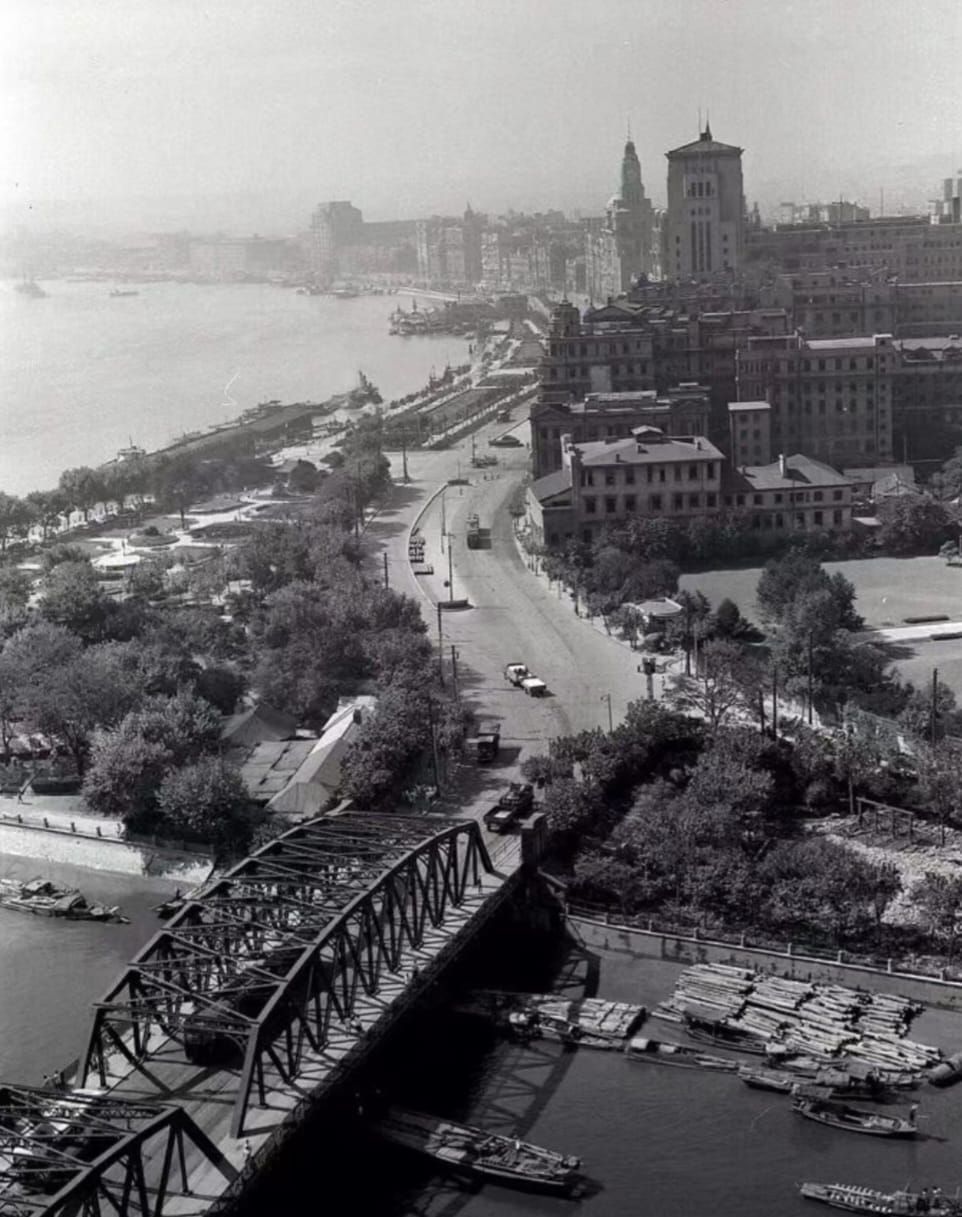
Un río ha formado parte de mis recuerdos de infancia. Se llama arroyo Suzhou. Históricamente se conocía como río Wusong. Fluye al sur del río Yangtsé antes de llegar finalmente a Shanghái, una de las ciudades más grandes de China, donde se le conoce cariñosamente como el "río madre" porque provee el sustento de la población.
Cuando era joven, vivía cerca del río. Solía pasear por uno de los puentes para contemplar la maravillosa vista: las nubes del atardecer parecían descender al río y crear un sueño ondulante con todo tipo de colores fantásticos. Las barcas de remos de madera que navegaban por el río eran lo que más me fascinaba. Mi pasatiempo favorito era apoyarme en la barandilla del puente y observar cómo pasaban por debajo. Una barca solía ser impulsada por una familia: la esposa remaba invariablemente con la ayuda de sus hijos, mientras que el marido, de pie a un lado con una pértiga de bambú en la mano, impulsaba la embarcación por el agua con destreza. A veces, la perspectiva de pasar por debajo del puente con la corriente rápida provocaba cierta inquietud en la tripulación, mientras el hombre, de pie en la proa, ajustaba cuidadosamente el rumbo de la barca presionando el extremo de su pértiga contra el muelle. En su animado esfuerzo por maniobrar la barca en la corriente errática, se gritaban algo que no alcancé a entender. La escena me impactó por la tensión de la lucha. Fue a partir de esas observaciones que comprendí la dura vida de los barqueros. Más tarde, al ver la pintura de la dinastía Song, El Festival de la Pura Luminosidad en el Río Capital, me di cuenta de que la antigua representación de una barca de remos de madera pasando bajo un puente arqueado se parecía a la escena que vi en el puente sobre el arroyo Suzhou. Mirando hacia atrás, he llegado a la lamentable conclusión de que no intercambié ni una sola palabra con los barqueros, sino que los observé desde lejos, imaginando cómo sería vivir en una barca. En aquel entonces, a menudo me imaginaba a mí mismo como un niño viviendo en una barca, con un perro sentado dócilmente a mis pies; el niño ayudaría a sus padres a remar, para que la barca pudiera pasar con seguridad bajo un puente tras otro, incluso en los torrentes más turbulentos.
El arroyo Suzhou no siempre fue un río turbio; en ciertos periodos, como durante la marea alta, sus aguas eran satisfactoriamente claras, con vetas de verde claro entre el amarillo intenso; incluso se podían ver peces escurriéndose a través del agua. Los niños solían nadar en el río. Los más valientes se zambullían desde las barandillas de hormigón del puente, mientras que los más precavidos bajaban por los peldaños de hierro de la orilla. ¡Qué espectáculo tan maravilloso era verlos nadar en el río! Sus cabecitas flotaban sobre el agua como flores negras en plena floración. De vez en cuando gritaban con jadeos rápidos, con un toque de sorpresa o nerviosismo. Esos gritos, que rebotaban y giraban sobre el agua, eran las voces más alegres del mundo. ¡Cómo envidiaba a esos niños nadadores! Los admiraba por sus acrobacias y sus alegres sonidos en el agua. ¡Cuánto anhelaba unirme a ellos!
Cierto día presencié una escena espantosa junto al arroyo Suzhou. Un niño se había ahogado en el río y su cuerpo había sido arrastrado hasta la orilla, donde yacía sin vida cerca de la barandilla. Era un niño delgado, vestido únicamente con unos calzoncillos desgastados. Parecía un triste accidente de natación. El niño yacía de lado, con el rostro pálido como la muerte. Había sido objeto de mi envidia, pero ahora su corta vida había llegado a su fin. En el río, que fluía con fuerza día y noche, había terminado su breve viaje por este mundo. Fue la primera vez que vi a una persona muerta de cerca, pero el caso del niño no me infundió miedo a la muerte ni a los ríos. Un par de años después bajaría yo al arroyo Suzhou a nadar, a experimentar la alegría de vivir luchando contra el agua. Me lancé al río desde lo alto del puente y nadé hasta llegar a la confluencia del arroyo Suzhou y el río Huangpu. Mis amigos, todos de mi edad, tuvieron que compensar su falta de valentía siguiéndome por la orilla, cargando mi ropa y animándome. Debí de ser un chico valiente a sus ojos. La verdad es que, cuando las olas me golpearon con fuerza sentí miedo. Incluso vislumbré a aquel chico ahogado y me pregunté si yo correría su misma suerte. Afortunadamente fue solo un presentimiento pasajero y el miedo a la muerte se desvaneció ante la alegría de nadar en el río fresco.
Junto al arroyo Suzhou se encontraba la primera de las escuelas primarias a las que asistí. Cuando tomaba clases de música en un aula del último piso, podía asomarme a la ventana y contemplar el agua del arroyo. La puerta trasera de la escuela daba directamente a la orilla, junto a un vertedero, que más que un muelle era una enorme caja abierta de hierro que se inclinaba. Esta caja, pulida y brillante por los interminables envíos de basura, me recordaba a un puente levadizo sobre un foso a las afueras de una ciudad antigua. Solía estar levantada hasta la llegada de un nuevo camión cargado de desperdicios, momento en el que se bajaba para formar un tobogán por donde se vertía la basura en las bodegas de los barcos de carga de madera atracados en la orilla. El muelle solía ser uno de nuestros patios de recreo. A menudo nos subíamos a la caja abierta de hierro y nos quedábamos en el borde, asomando la cabeza para observar el agua correr con ruidosos chapoteos.
Para nosotros, los niños, era una aventura maravillosa.
Una mañana, al pasar por el muelle, encontré una gran multitud alrededor del lugar y la estructura basculante —el "puente levadizo" que nos había brindado tanta alegría— volcada en el río. Uno de los dos cables de acero que la sujetaban se había roto. Lo que vi fue la consecuencia de una tragedia: la noche anterior, un grupo de niños de mi edad se subió a la estructura para jugar, pero un cable de acero se rompió repentinamente mientras hacían todo tipo de acrobacias, en pleno apogeo de su diversión; la estructura se volcó y todos los niños que jugaban dentro cayeron al arroyo Suzhou. Los gritos de alegría y risas se convirtieron en gritos de auxilio, y fueron los barqueros quienes acudieron a su rescate, ya que casi nadie más pasaba por allí en ese momento. Desafortunadamente, la muerte debió de estar esperando su oportunidad durante muchas escenas alegres en el "puente levadizo", calculando su precio a cobrar; oí que varios niños se ahogaron. Varios días después, incluso vi a algunos padres llorando por sus hijos perdidos junto al arroyo Suzhou. La caja de hierro abierta, considerada la causa del accidente, fue acordonada con vallas de hierro. Me pareció que esta tragedia podría servir para advertir a la gente sobre la futilidad de su búsqueda de la felicidad y la fragilidad de la vida misma. El arroyo Suzhou fluía como siempre, como si nada hubiera pasado, pero ya no nos atrevíamos a visitar el muelle para pasar un par de horas agradables.
En las orillas del arroyo Suzhou, por aquel entonces, había más almacenes y muelles que bosques. Por eso, rara vez veía pájaros cerca del río. Sin embargo, un ave que vi en el arroyo Suzhou me dejó una profunda huella. Fue durante los Tres Años de la Gran Hambruna China (1959-1961). Aquella mañana, mientras caminaba junto al arroyo Suzhou, vi una urraca que volaba desde el río y se posaba en una barandilla de cemento. Era una urraca negra con alas moteadas de blanco y negro. Caminando tranquilamente sobre la barandilla, la urraca miraba a derecha e izquierda de vez en cuando, como si buscara a sus compañeros. Siempre he sentido debilidad por los pájaros, y la visión de cualquiera de esas pequeñas criaturas esponjosas volando (incluso un búho de aspecto amenazador) me inspiraba una profunda admiración, ¡por no mencionar que era bastante inusual ver una urraca en el centro de la ciudad, tan densamente poblado! Así que me detuve a observar detenidamente a la urraca en la barandilla. ¡Era una criatura tan hermosa! Tan despreocupada, tan elegante y tan rara de ver en medio del entorno industrial del arroyo Suzhou. Mientras admiraba a la urraca, sucedió algo impensable. De una barca de madera cerca de la orilla salió una mujer con el cabello revuelto y un aspecto demacrado, que corrió hacia la barandilla y sorprendió a la urraca. La agarró con una mano y con la otra le arrancó todas las plumas a la velocidad del rayo. En menos de dos minutos, la hermosa y esponjosa urraca quedó reducida a una bola de carne rosada retorciéndose. Lo único que pudo hacer el pobre pájaro fue emitir chillidos aterrorizados mientras aleteaba, un esfuerzo bastante ridículo, ya que sus alas estaban ahora sin plumas. Sus plumas cayeron al suelo y algunas más pequeñas flotaron en el aire. La rapidez de los movimientos de la mujer fue asombrosa, y la voracidad de su mirada, inolvidable: era la mirada de una persona desesperadamente hambrienta ante la vista de la comida, pura codicia y ansiedad. La mujer en la barca de madera atrapó la urraca para comer, por supuesto, para saciar su hambre, para sobrevivir a la inanición. No tuve el valor de verla lidiar con la urraca al final. Sin duda, el pobre pájaro se convirtió en su alimento; cómo la cocinaron y la comieron, no quise saberlo. Intenté conservar en mi memoria la imagen de la urraca paseando con paso pausado por la barandilla junto al arroyo Suzhou, pero no pude librarme de la pesadilla de la bola limpia de carne rosada desplumada y las plumas cayendo al aire. Todavía recuerdo a la pobre urraca forcejeando bajo el firme agarre de la mujer y chillando.
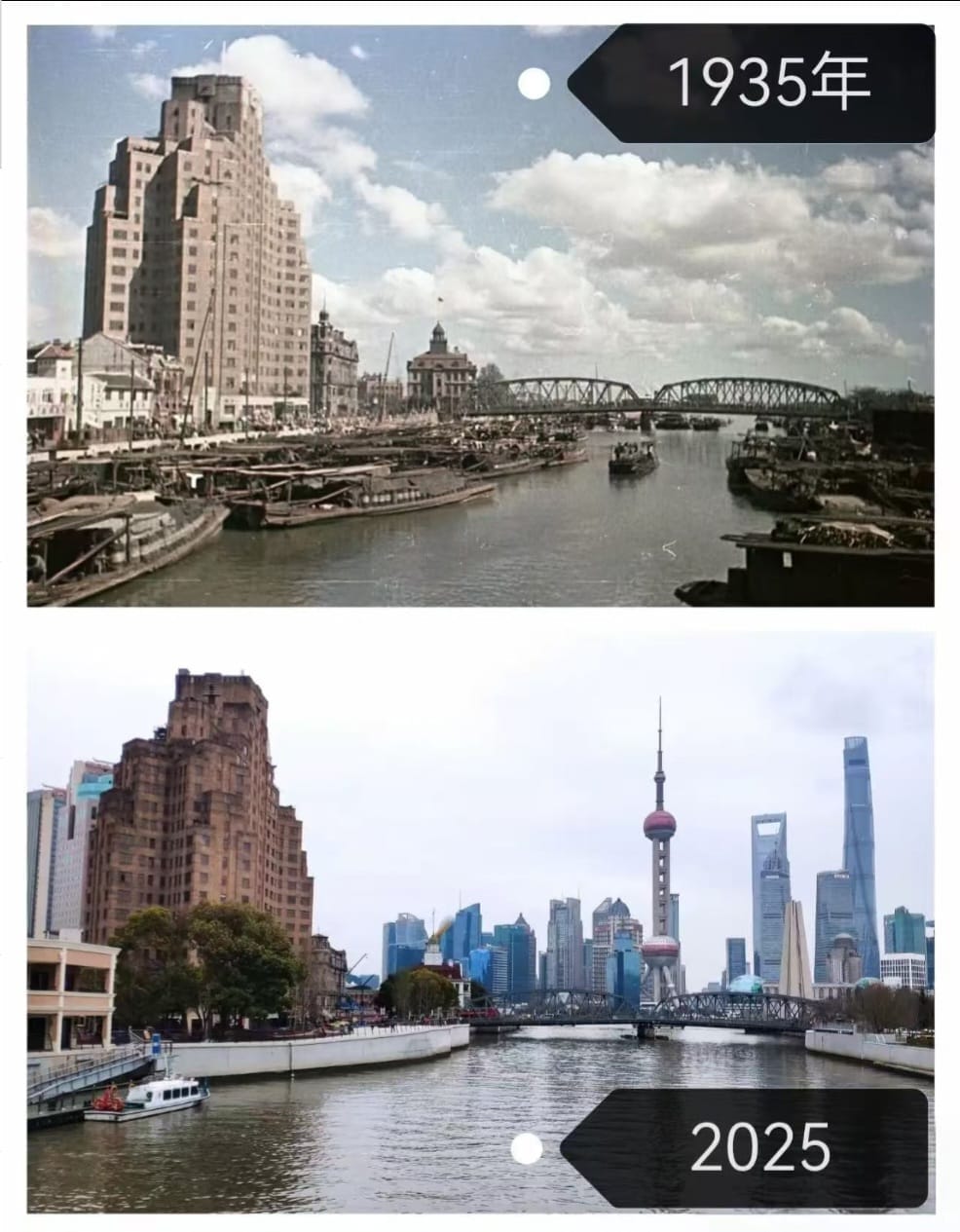
A orillas del arroyo Suzhou, en lo alto del histórico edificio de la Oficina General de Correos, se alzaba un conjunto de estatuas de piedra: figuras mitológicas de tierras lejanas, dispuestas en posición de sentadas. Desde el suelo no podía distinguir sus expresiones faciales; de hecho, solo alcanzaba a ver los contornos de sus cuerpos, pero la gracia de sus posturas me había impresionado profundamente. Una vez, mientras nadaba boca arriba en el arroyo Suzhou, de repente pude ver con claridad los rostros de las estatuas: con sus miradas enigmáticas, estas deidades permanecían serenas e impasibles, proyectando su visión, con una leve expectación y un rastro de profunda tristeza, desde el cielo hacia el mundo terrenal. En los primeros años de la Revolución Cultural (1966-1976), estas estatuas fueron retiradas; algunos decían que las habían destrozado. Por ello el edificio parecía mucho más sombrío: una sobriedad que ni siquiera su característica cúpula verde lograba compensar. Al alzar la vista hacia lo alto me invadió una sensación de pérdida. Hace un par de años se erigieron nuevas estatuas bajo la histórica cúpula verde. No estoy seguro de si son las originales. Sin embargo, cuando las miro, no logro revivir la vieja sensación de mi infancia.
De Studio of Four Steps, 14 de enero de 2003.
The River in My Childhood
(Memories)
Zhao Lihong
Childhood memories usually dwell in the deepest recesses of a person’s mind. When he has his life behind him, he probably gets a flashback of the things he did and the friends he made in his childhood.
A person’s childhood experience may help to form his character, as every specific childhood encounter contributes to the development of personality in a subtle way. Try to think about your childhood — try to recall how those juvenile years of yours have enriched your burgeoning life and nurtured your puerile mind.
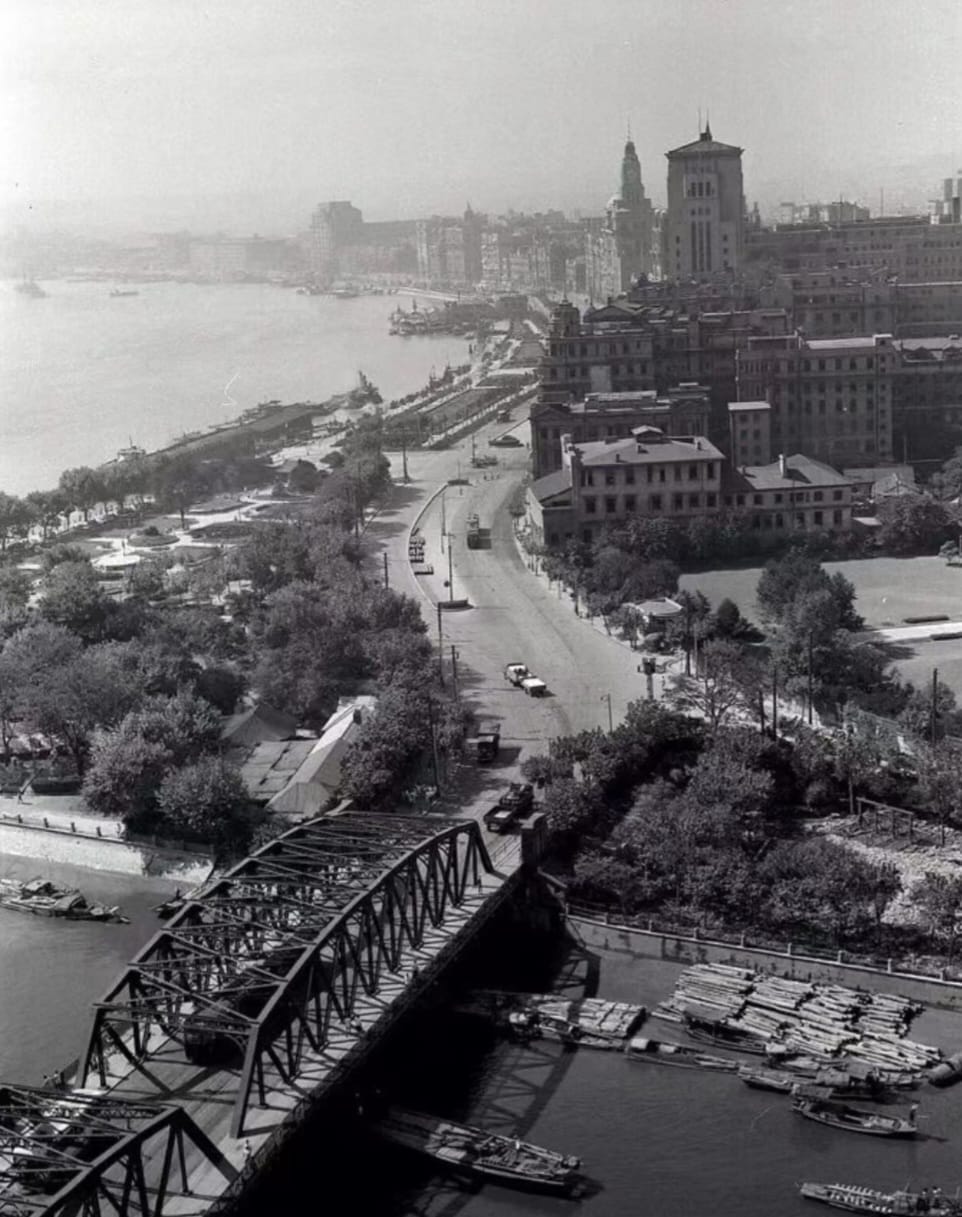
A river has been a part of my childhood memories. It goes by the name of Suzhou Creek. Historically it was called Wusong River. It runs to the south of the Yangtze River before finally making its way into Shanghai, one of the biggest cities in China, where it has been affectionately known as the “mother river” because it provides the livelihood for the people.
When I was young, I lived in a place not far from the river. I often took a walk on one of the bridges to take in the wonderful view — the clouds in the evening sky seemed to descend into the river and create a rippling dream with all kinds of fantastic hues. The wooden rowboats traveling in the river were the most fascinating sight for me. It was my favorite pastime to lean against the bridge railing and watch the rowboats passing under the bridge. A rowboat was usually propelled by a family: the wife invariably rowed the boat with the help of her kids, while the husband stood at the side with a bamboo pole in his hand and whisked the water with aplomb. Sometimes the prospect of going under the bridge in rapid water sent the crew into a little flurry, as the man stood at the bow and carefully adjusted the heading of the boat by forcing the end of his pole against the pier. In their lively effort to maneuver the boat in the wayward flow, they yelled at each other something that I couldn’t make out The scene struck me with a tenseness of the struggle. It is from those observations that I learnt the hard life of the boat people. Later, when I saw the Song Dynasty painting The Pure Brightness Festival on the Capital River, I realized that the ancient depiction of a wooden rowboat passing under an arched bridge actually resembled the scene that I saw on the bridge over Suzhou Creek. Looking back, I’ve come to the regretful conclusion that I didn’t speak a single word with the boat people but observed them from afar, imagining how it would be to live on a boat. At that time I often fancied myself to be a boy living on a boat, with a dog sitting docilely at my feet; the boy would help his parents in rowing, so that the boat could safely pass under one bridge after another in even the fiercest torrents.
Suzhou Creek was not always a turbid river; in certain periods such as a high tide, it was satisfactorily clear with streaks of light green amidst the overwhelming yellow — even fish could be seen scurrying around in the water. Kids used to swim in the river. The brave ones dived into the river from the concrete railings high up on the bridge, while the scrupulous ones stepped down from the iron rungs on the bank. What a wonderful sight it was when the kids were swimming around in the river! Their small heads floated over the water like black flowers in cheerful blossom. From time to time they shouted in quick gasps, not without a hint of surprise or nervousness. Those shouts bouncing and swiveling over the water were the happiest voices in the world. How I envied those swimming kids! I admired them for their swimming gimmicks and their gleeful noises in the water. How I aspired to join them!
One day, I saw a horrible scene by Suzhou Creek. A kid was drowned in the river and dragged onto the bank, lying lifeless there near the railings. It was a skinny boy, who wore nothing but a shabby pair of briefs. It seemed like a sad case of swimming accident. The boy lay on his side, his face deathly sallow. He had been a target of my envy, yet now his little life had come to an end. In the river that kept flowing vigorously day and night, he had finished his short journey in this world. That was the first time I stared at a dead person at close range, but the case of the boy didn’t instill in me a fear of death or rivers. In a couple of years,I would go down into Suzhou Creek to swim, to experience the joy of life by struggling against the water. I dived into the river from high up on the bridge and swam until I reached the confluence of Suzhou Greek and Huangpu River. My buddies, all about my age, had to make up for their lack of such courage by following me all the way on the bank, carrying my clothes and cheering for me. I must have been a brave boy in their eyes. Actually when waves were crushing down upon me, a sense of fear did cross my mind. I even had a glimpse of that drowned boy and wondered if I would end up with the same fate as him. Fortunately that turned out to be a passing whim and the fear of death succumbed to the joy of swimming in the cool river.
Next to Suzhou Creek there was the first of a series of primary schools that I went to. When I took music lessons in a classroom on the top floor, I could stand before the window and look down at the running water of Suzhou Creek. The back door of the school was right on the bank, next to a waste-disposal dock, which was not so much a “dock”as a huge iron tipping open-box. The open-box, chafed clean and shiny with the endless shipments of trash,reminded me of a drawbridge over a moat outside an ancient town. It was usually lifted until the arrival of a new truckload of trash, when it was lowered to form a slide passage, through which the trash was dumped into the cargo holds of the wooden freight boats docked by the bank. The dock used to be one of our playgrounds. We often climbed onto the iron open-box and stood at the edge to jut out our heads and stare at the water running past in noisy splashes below. For us kids, it was a marvelous adventure.
One morning, when I passed by the dock, I found a great crowd around the spot and the tipping open-box — the “drawbridge” that had brought us boundless joy — bottom up in the river. One of the two steel cables that fixed the open-box had snapped. What I saw was the aftermath of a tragedy: the night before, a bunch of kids about my age climbed onto the open-box to play, but one steel cable suddenly snapped when they were doing all kinds of gymnastics at the top of their enjoyment; the tipping open-box was overturned and all the kids playing inside were dumped into Suzhou Creek. Cheers of joy and laughter turned into cries for help, and it was those boat people who came to their rescue as hardly anyone else came by that place at the moment. Unfortunately, Death must have been biding his time at many a joyful scene on the “drawbridge”,counting his toll to take — I heard that a handful of kids were drowned. Several days later, I even saw some parents weeping for their lost kids beside Suzhou Creek. The iron open-box, seen as the cause of the accident, was cordoned off with iron fences. It seemed to me that this tragedy might be destined to warn people of the futility of their pursuit of happiness and the fragility of life itself Suzhou Creek flowed like before as if nothing had happened, but we no longer dared to visit the dock to spend a couple of happy hours.
On the banks of Suzhou Creek at that time, there were more warehouses and docks than forestation. That was why I seldom found birds near the river. However, one bird that I saw on Suzhou Creek left a deep impact on my memory It was during the Three years of Great Chinese Famine (1959 — 1961). On that morning, I walked by Suzhou Creek when I saw a magpie flying over from the river and perching on a cement railing at the riverside. It was a black magpie with black-white dappled wings. Pacing about on the cement railing with a leisurely gait, the magpie glanced right and left from time to time, as if preoccupied with a search for its buddies. I always had a weakness for birds and the sight of any of those fluffy little creatures flying in the air (even an ill- boding owl) would arouse in me a feeling of adoration, not to mention that it was quite uncommon to have a magpie in the densely populated downtown! So I stopped to take a good look at the magpie on the railing. It was such a beautiful creature! So carefree, so graceful, and so rare a sight amidst the industrial environments of Suzhou Creek. As I was admiring the magpie, something unthinkable happened. From a wooden rowboat near the bank out came a woman with disheveled hair and a scrawny look, who rushed to the railing and caught the magpie unawares. She grabbed hold of the magpie in one hand and yanked off all its feathers at a lightning speed with another hand. In less than two minutes, the beautiful fluffy magpie was reduced to a writhing ball of pink flesh. All the poor bird could do was to let out some terrified shrieks while flapping its wings — a rather ludicrous effort, as its wings were now featherless. Its feathers fell down onto the ground, and some tinier downs floated in the air. The rapidness of the woman’s actions was astounding, and the ravenousness of her gaze was unforgettable: it was the look of a desperately starved person at the sight of food — all greed and anxiety. The woman on the wooden rowboat caught the magpie to eat, of course — to satiate her hunger, to survive the starvation. I didn’t have the heart to watch her deal with the magpie in the end. No doubt the poor bird became her food; in what ways it was cooked and eaten, I didn’t want to know. I tried to keep in my memory the image of the magpie pacing with a leisurely gait on the railing by Suzhou Creek, but I couldn’t shake off the nightmare of the plucked clean ball of pink flesh and the feathers falling down in the air. Now I still remember the poor magpie struggling in the woman’s firm grip and shrieking.
At the bank of Suzhou Creek, on the top of the historic building of the General Post Office, there were a set of stone statues — mythological figures from foreign lands, arranged in sitting positions. I couldn’t see their facial expressions on the ground; actually I could only see the contours of their bodies, yet the gracefulness of their postures had impressed me deeply. Once,when I was swimming in Suzhou Creek with my face up, I suddenly had a clear view of the faces of the statues: in their mystifying looks, these deities remained serene and detached as they cast out their vision, with mild expectation and a trace of profound sorrow, from the heavens down to the mundane world. In the initial years of the Cultural Revolution (1966 — 1976), these statues were removed; some people said that they had been smashed to pieces. Hence the building appeared much duller, a dullness that even its characteristic green dome couldn’t make up for. When I looked up at its top, I was struck with a sense of loss.
A couple of years ago, a new set of statues were erected under the historic green dome. I am not sure if they are the original ones. When I look up at them,however, the old feeling in my childhood doesn’t come back to me.
In the Studio of Four Steps, January 14, 2003
童年的河
赵丽宏
童年的记忆,隐藏在脑海的最深层。一个老人,到了弥留之际,出现在眼前的也许还是童年的往事,童年的朋友。
童年的经历,会影响一个人的性格。在形成性格的过程中,童年的一些特殊经历潜移默化地起着作用。想一想童年的往事吧,它们曾经怎样有声有色地丰富过你幼小的生命,滋润过你稚嫩的感情。
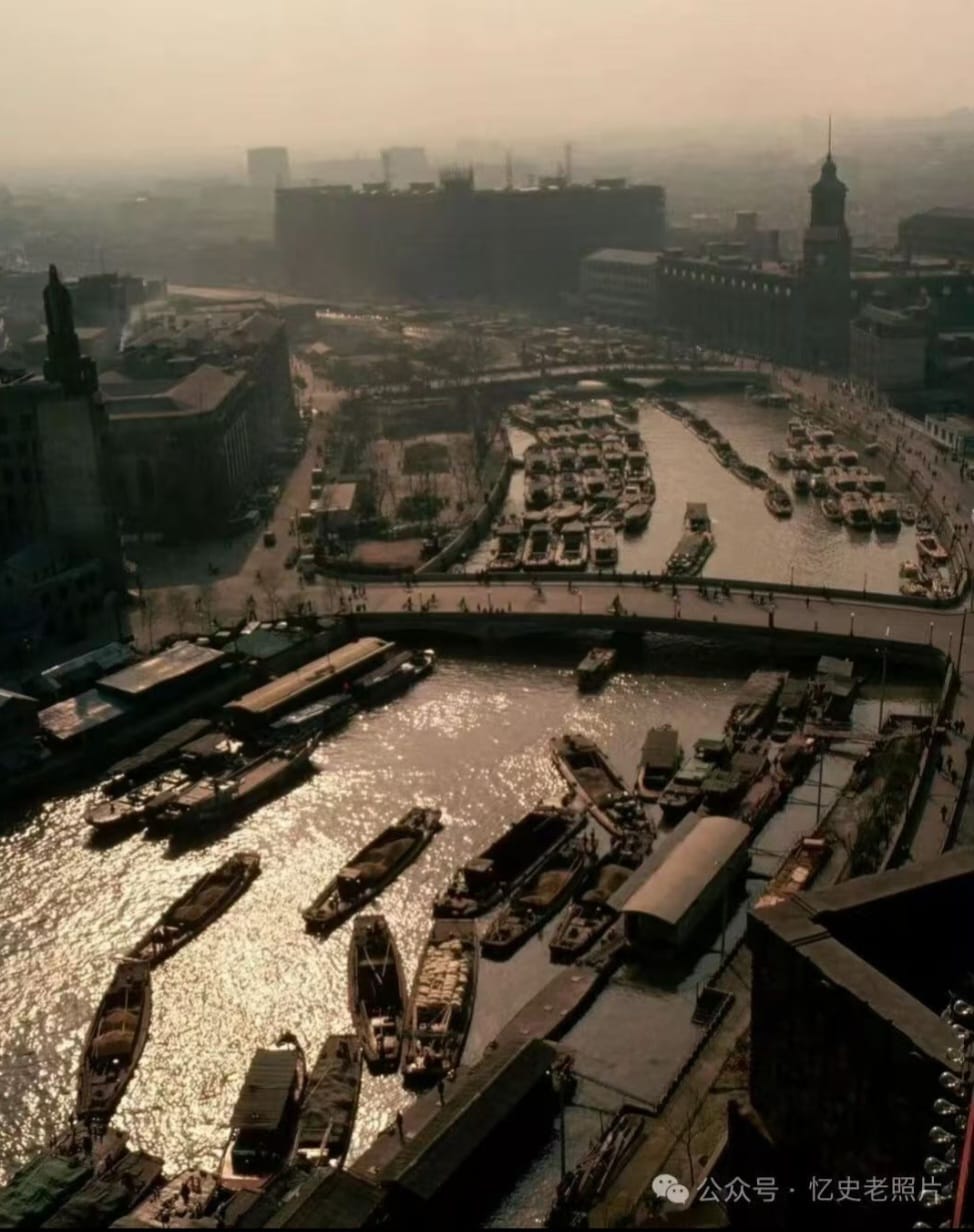
有一条河流,陪伴着我的童年。这条河的名字是苏州河,它在江南的土地上蜿蜒流淌,哺育了中国最大的城市。从前,它曾经叫吴淞江,上海人把它称作母亲河。
小时候,我的家离苏州河不远,我常常走到苏州河桥上看风景。天上的云彩落到河里,随着水波的漾动斑斓如梦幻。最有趣的,当然是河里的木船了。我喜欢倚靠在苏州河的桥栏上看从桥洞里穿过的木船。一艘木船,往往就是一家人。摇船的,总是船上的女人和小孩。男人站在船边,手持一根长长的竹篙,不慌不忙点拨着河水。有时水流很急,木船穿过桥洞时,船上的人便有点忙碌。男人站在船头,奋力将竹篙点在桥墩上,改变着船行的方向。他们一面手忙脚乱地与河水搏斗,一面互相大声喊着,喊些什么我听不清楚,但那种紧张的气氛却让人难忘,我也由此认识了船民的艰辛。后来看到宋人画的《清明上河图》,图中也有木船过桥洞的画面,和我在苏州河桥上看到的景象很有几分相似。现在回想起来,我那时没有机会和船上的人说过一句话,只是远远地看着他们,想象着他们的生活。我常常把自己想象成一个生活在船上的孩子,船上有一条狗,温顺地蹲在我的脚边。我也和父母一起,奋力地摇撸,驾驭着木船在急流中穿过桥洞。
记忆中的苏州河常常有清澈的时候。涨潮时,河水并不太浑浊,黄中泛出一点淡绿,还能看到鱼儿在河里游动。那时苏州河里常常有孩子游泳。胆子大的从高高的水泥桥栏上跳的河里,胆子小一点的,沿着河岸的铁梯走到河里。孩子在河里游泳的景象多么美妙,小小的脑袋在起伏的水面上浮动,像一些黑色的花朵,正在快乐地开放。他们常常放开喉咙在喊叫,急促的声音带着一些惊奇,也带着一些紧张,在水面上跳动回旋。这是世界上最快乐的声音。先是羡慕那些在河里游泳的孩子,他们游泳的姿态,他们在水面发出的欢声。很想成为他们中的一员。
有一天,在苏州河边上,我见到了可怕的景象。一个孩子,在河里淹死了,被人拉到岸上,躺在栏杆边的地上。这是一个瘦弱的孩子,上身赤裸,下身穿着一条破烂的裤衩。看样子,这孩子是在河里游泳溺水而死。他侧着身子躺在地上,脸色蜡黄。他曾经在河里快乐地游着,快乐的喊叫着,他曾经是我羡慕的对象。但是他小小的生命已经结束,在这条日夜流动着的活泼的苏州河水里,他走完了他的短短的人生之路。这是我第一次这么近距离地看一个死去的人,但是这溺水的孩子并没有使我对死亡和河流感到恐惧。几年后,我也常常跳进苏州河里游泳,在和流水的搏斗中体会生命的快乐。我从高高的桥头跳入河中,顺流畅游,一直游到苏州河和黄浦江交汇的水面。那时,同龄的孩子没有几个有这样的胆量,他们捧着我的衣服,在岸上跟着我,为我加油。在他们的眼里,我是一个勇敢的人。其实,在波浪汹涌地向我压过来时,我也曾产生过恐惧,也曾想起那个溺水而亡的少年,我在想:我会不会像他一样被淹死呢?不过这只是瞬间的念头,在清凉的河流中游泳的快乐胜过了死亡的恐惧。
我上的第一所小学就在苏州河边上。在我们上音乐课的顶层教室里,站在窗前能俯瞰苏州河的流水。学校的后门,就开在苏州河岸边。离学校后门不远的河岸边,有一个垃圾码头。说是码头,其实就是一个大铁皮翻斗,平时铁皮翻斗被天天从它身上滑下的垃圾磨得雪亮。这铁皮翻斗,使我想起古时城门前的吊桥,平时翻斗是升起的,运送垃圾时,翻斗放下,成为一个传送滑道,卡车上的垃圾直接从翻斗上滑到停泊在岸边的木船船舱中。这垃圾码头,也曾是我们的游戏场所。我们常常攀上铁皮翻斗,站在翻斗边沿,探出脑袋,俯视河水从翻斗下哗哗地流过。对于孩子们来说,这是很有冒险色彩的奇妙经历。
一天早晨,经过垃圾码头时,发现码头边围着很多人,而那个曾给我们带来快乐的吊桥,翻进了河里──系住翻斗的两根钢索断了一根。这是一场悲剧的留下的痕迹。就在前一天傍晚,一群和我差不多大的孩子,攀到翻斗上玩,他们正欢天喜地在翻斗上蹦跳,系翻斗的钢绳突然断了,翻斗下坠,翻斗上的孩子全部都被倒进了苏州河。欢声笑语一下子变成了救命的呼喊,那时苏州河边人不多,是河上的船民赶过来救起了落水的孩子们。但是,死神已经守候在这座曾给孩子们带来欢乐的吊桥边上,据说淹死了好几个孩子。几天后,还看到孩子的父母在苏州河边哭泣。而那个肇事的铁皮翻斗,被铁栅栏围了起来。这场悲剧,似乎向人们预示着生活中的乐极生悲和人生的无常。苏州河依然如昔日一般流淌,但从此我们再不敢去垃圾码头玩。
那时,苏州河边上多的是仓库和码头,少的是树林。在苏州河边难得见到飞鸟。不过有一只在苏州河边的出现的鸟使我无法忘记。那是在无法吃饱饭的年代。一天早晨,我从苏州河边走过,看见一只喜鹊从河面上飞过来,停落在河边的水泥栏杆上。这是一只有着黑白相间的花翅膀的黑喜鹊,它在水泥栏杆上悠闲地踱步,还不时左顾右盼,好像在寻找它的伙伴。我天生对鸟有好感,只要是天上的飞鸟,都是可爱的,哪怕是猫头鹰。在热闹的城市里会出现喜鹊,这实在稀奇。我停住脚步,注视着水泥栏杆上的喜鹊,觉得它美极了。它是那么自由,那么优雅。在苏州河边,难得看到这样的景象。就在我欣赏那只喜鹊的时候,发生了一件令人难以想象的事情。一个头发蓬乱、瘦骨嶙峋的女人,突然从停泊在河边的木船上蹿出来,扑上栏杆,把那只毫无防备的喜鹊抓在了手中。那女人一只手将喜鹊握住,另一只手以极快的速度拔光了喜鹊身上的羽毛,大概不到一分钟,那只羽毛丰满的美丽的喜鹊,竟变成了一团蠕动的粉红色肉团。它的嘴里发出惊恐尖利的鸣叫,拍动的翅膀因为失去了羽翼而显得很可笑。它的羽毛飘落在周围的地上,空中也飞舞着细小的绒毛。那女人的动作之迅疾 ,简直让人惊诧,她的目光也令人难忘,那是一个饿极了的人看到食物时的表情,目光中喷射出贪婪和急迫。这个木船上的女人,她捕捉这只喜鹊,当然是为了吃,为了充饥,为了让饥饿的生命得以延续。我没有看到她最后如何处置那只喜鹊,被她吃进肚子是毫无疑问的,至于怎么煮怎么吃,我不想知道。我想在记忆中保留喜鹊在苏州河栏杆上优雅踱步的形象,但浮现在眼前的,却总是那个被拔光了羽毛的粉红色肉团,还有飘舞在空中的羽毛。直到现在我还记得它挣扎尖叫的可怜样子。
苏州河边的邮政大楼顶上,有一组石头的雕像。那是几个坐着的外国人像,站在地上看不见他们的表情,远远地看去,也只能看出个大概的轮廓,但他们优雅的身体姿态给我留下深刻的印象。小时候在苏州河里游泳的时候,有一次躺在水面上仰望那些雕像,居然看清了雕像们的脸,那是一些神秘的表情,安静,悠闲,他们在天上俯瞰人间,目光中含着淡然的期待,也隐藏着深深的哀怨。“文革”初期,那一组雕像不见了,据说是被人打碎了。那座有着绿色圆顶的大楼,从此就变得单调,抬头仰望时,常常有一种失落的感觉。
前几年,那个古老的绿色圆顶下面,又出现了一组雕像,是不是当年的那组雕像,我不知道。不过仰望他们时,再没有出现童年时看他们的那种感觉。
2003年1月14日于四步斋
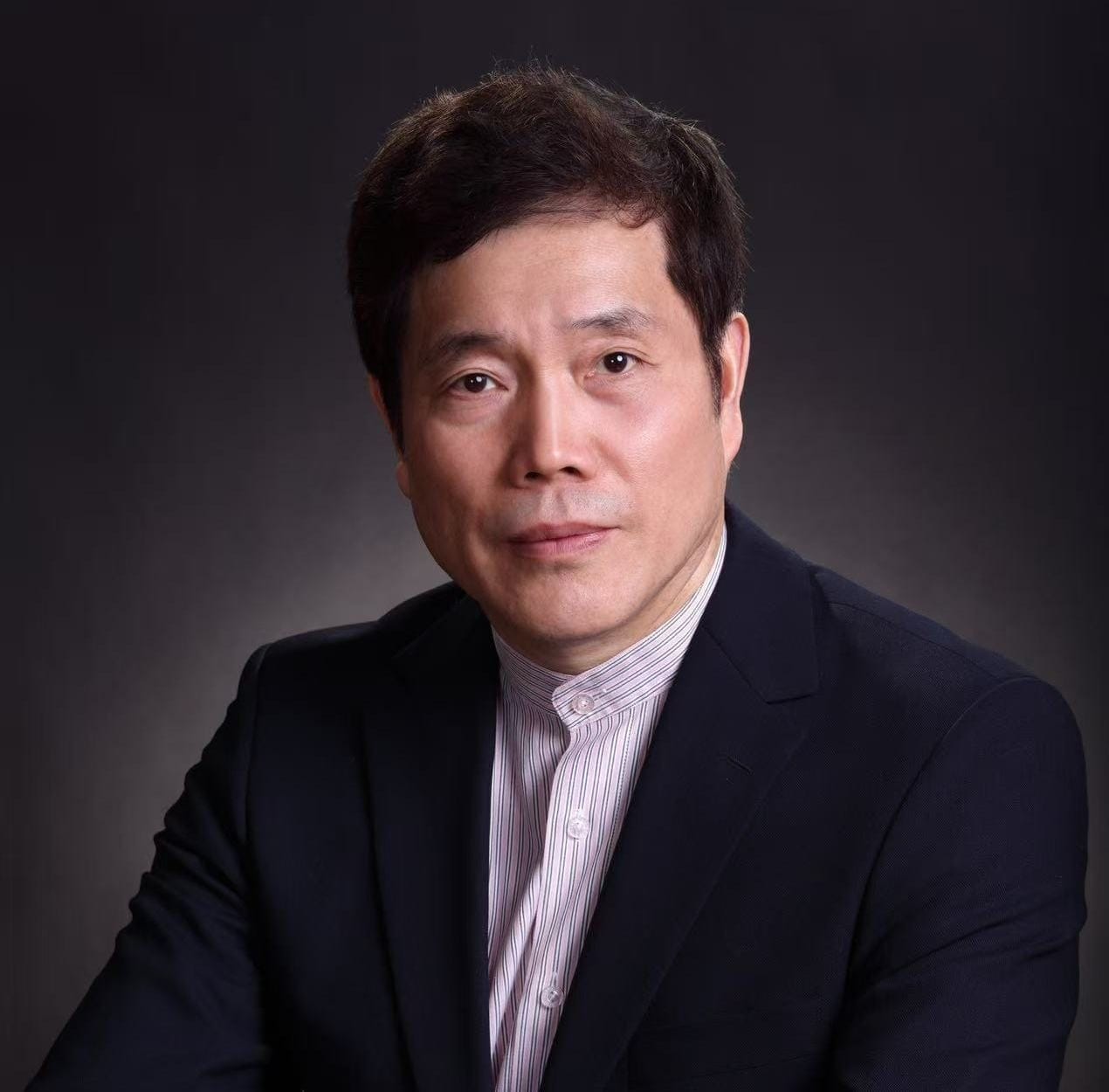
Zhao Lihong es un poeta, ensayista y novelista chino. Nacido en Shanghái en 1952, actualmente preside el Festival Internacional de Poesía de Shanghái. Ha publicado más de cien libros, entre poemarios, ensayos y novelas. Entre sus obras más representativas se encuentran poemarios como «El barco en el cielo», «Dolores» y «Metamorfosis». Sus obras han recibido premios como el New Era Excellent Essay Collection Award, el China Good Book Award y el Wenjin Book Award. En 2013 fue galardonado con el Premio Internacional de Poesía Llave de Oro Smederevo, en Serbia. En 2014 recibió el Premio a la Contribución Destacada en Literatura y Arte de Shanghái y fue nombrado académico honorario del United International College (UIC) de la Universidad Normal de Pekín y la Universidad Bautista de Hong Kong. En 2019 ganó el Premio Internacional de Poesía Mihai Eminescu en Rumania y fue elegido académico de la Academia Francesa de Ciencias, Artes y Humanidades. En 2024 recibió el Premio Internacional de Literatura Bing Xin de Oro. En 2025 ganó el Premio Literario Montale en Italia y el Premio Internacional de Poesía KS en Corea del Sur. Sus obras han sido traducidas al inglés, francés, ruso, italiano, español, búlgaro, ucraniano, serbio, rumano, polaco, húngaro, japonés, coreano, árabe, persa y muchos otros idiomas, y publicadas en el extranjero.
Zhao Lihong is a Chinese poet, essayist and novelist. Born in Shanghai in 1952, he is currently the chairperson of the Shanghai International Poetry Festival. He has authored over a hundred books including poetry collections, essays and novels. His representative works include poetry collections such as The Boat in the Sky, Pains and Metamorphosis. His works have won awards such as the New Era Excellent Essay Collection Award, China Good Book Award and Wenjin Book Award. In 2013, he was awarded the Smederevo Golden Key International Poetry Award in Serbia. In 2014, he received the Shanghai Literature and Art Outstanding Contribution Award and was appointed as an honorary academician of the Beijing Normal University-Hong Kong Baptist University United International College (UIC). In 2019, he won the Mihai Eminescu International Poetry Award in Romania and was elected as an academician of the French Academy of Sciences, Arts and Humanities. In 2024, he received the International Bing Xin Literature Award Gold Prize. In 2025, he won the Montale Literature Award in Italy and the KS International Poetry Award in South Korea. His works have been translated into English, French, Russian, Italian, Spanish, Bulgarian, Ukrainian, Serbian, Romanian, Polish, Hungarian, Japanese, Korean, Arabic, Persian and many other languages and published overseas.
赵丽宏,中国诗人、散文家、小说家。1952年生于上海。现为上海国际诗歌节主席。著有诗集、散文集、小说等各种专著共一百余部。代表作有诗集《天上的船》《疼痛》《变形》等。作品曾获新时期优秀散文集奖、中国好书奖、文津图书奖。2013年荣获塞尔维亚斯梅德雷沃金钥匙国际诗歌奖。2014年获上海市文学艺术杰出贡献奖,同年被授予北京师范大学-香港浸会大学联合国际学院(UIC)荣誉院士。2019年获罗马尼亚“米哈伊·爱明内斯库国际诗歌大奖”,同年被选为法国科学、艺术人文学院院士。2024年获国际冰心文学奖金奖。2025年获意大利蒙塔莱文学奖、韩国KS国际诗歌奖。作品被翻译成英、法、俄、意、西班牙、保加利亚、乌克兰、塞尔维亚、罗马尼亚、波兰、匈牙利、日、韩、阿拉伯、波斯等多种文字在海外出版。