
Lo ineludible - Aixa Rava
Indómito es el camino que nos lleva de regreso al origen. / El mío quedó en una metrópoli insular / intersección del meridiano 68 y el paralelo 54 /a 719 km de las Islas Malvinas. /
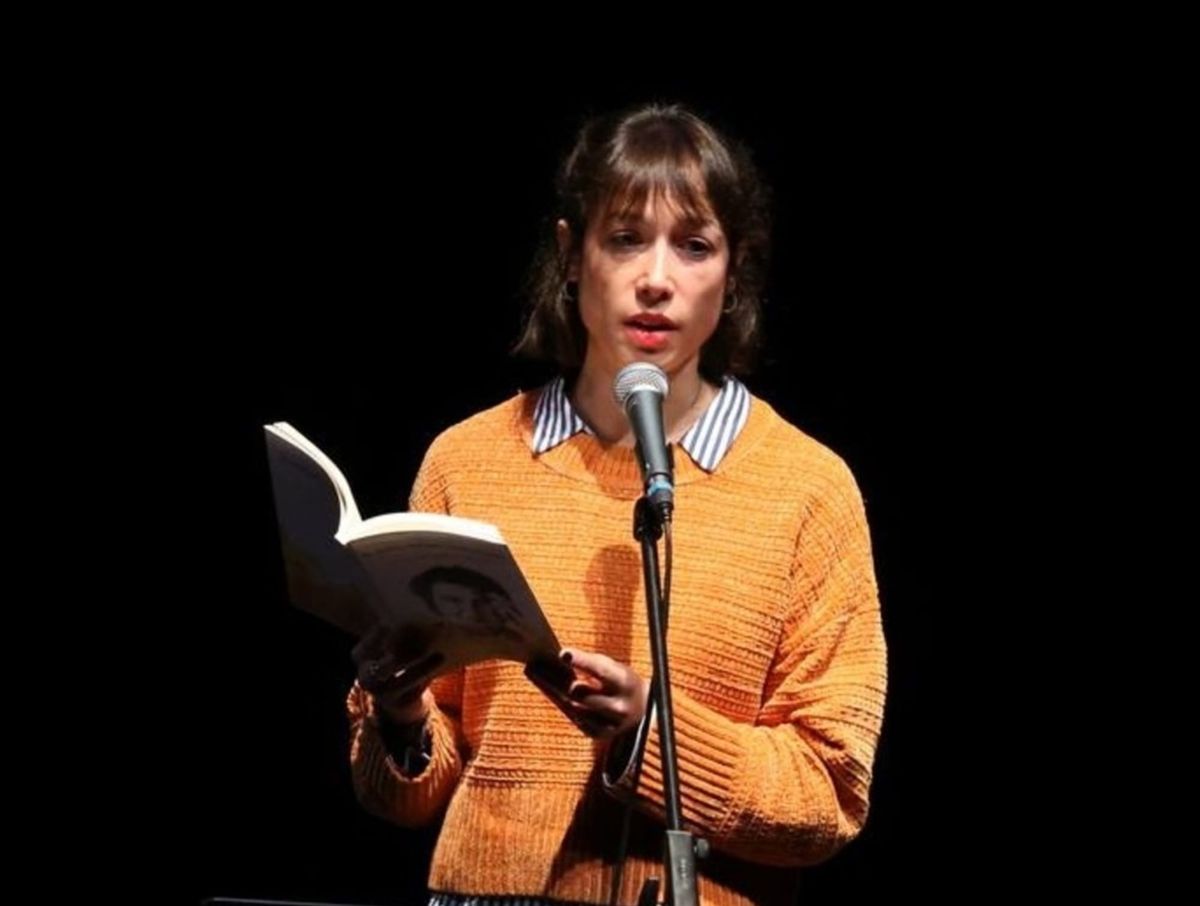
Lo ineludible
[Translated by Magalí Sigrist]
The inescapable
Untamed is the road that takes us back to the beginning.
Mine remains in an insular town
intersection of the 68 meridian and the 54 parallel
445 miles from the Malvinas.
There are no minute details when looking back.
I don’t belong there anymore, nor is mine that spectral house.
But then, what is this tear
and this fog that mists over the coast?
From that hill in the desert sings the poet with his guitar:
Oh, how often has the rain kissed my face / with its water son
and it is never the same rain, the same kiss, the same face.
My land is made of tango that moves backwards to advance,
it’s a land where music sprouts with its circular track,
endless transhumance / the landscape is not unknown
though far away be I from that cardinal point.
Lo ineludible
Indómito es el camino que nos lleva de regreso al origen.
El mío quedó en una metrópoli insular
intersección del meridiano 68 y el paralelo 54
a 719 km de las Islas Malvinas.
No hay datos menores en este retorno de la mirada,
ni pertenezco ya ahí, ni es mío ese espectro de casa.
Pero entonces, ¿y esta lágrima
y esta niebla que la costa me empaña?
Desde la huincul del desierto canta el poeta con su guitarra:
si me habrá besado la lluvia en la cara / con su canto de agua
y nunca es la misma lluvia, el mismo beso, la misma cara.
Mi tierra es de tango que no avanza sin ir hacia atrás,
es tierra de folclore con su danza circular,
incesante trashumancia / no desconozco el paisaje
aunque lejos hoy me encuentre de aquel punto cardinal.
*
For sure
Dear daughter, love has no God, no temple, no throne
don’t let them fool you with miracles of religious love
rosary love, penthouse, money love.
What shines with ostentation is not love
what clouds and subdues you is not love
what forces you into silence is not love
if it freezes you and drives you to escape is not love.
In the frenzy of bullets, daughter, there is no love
in the chastening blow, there is no love
in the deals of trade and sale, there is no love
in the coats and shoes, or in the hands of those
who always are beneath a luxurious roof
there is no love.
Don’t let them fool you, dear, there is no sin or punishment,
nor is there silence in love.
There is pain, yes; there may be tears, confusion,
mistakes and uncertain steps in love too.
And care, my dear, for sure, there is always care in love.
Eso sí
Hija, el amor no tiene Dios, no tiene templo, no tiene trono
que no te engañen con milagros de religioso amor
de amor rosario, penthouse, amor moneda.
Lo que brilla ostentosamente no es amor
lo que enturbia y somete no es amor
lo que te lleva a callarte no es amor
si te paraliza y te urge la huida no es amor.
En el afán de las balas, hija, no hay amor
en el golpe aleccionador no hay amor
en los contratos de compra-venta no hay amor
en los sacos, en los zapatos, en las manos de quienes
siempre tienen un techo de lujo encima
no hay amor.
Que no te engañen, hija, no hay pecado ni castigo
ni hay silencio en el amor.
Hay dolor, sí, puede haber llanto, confusión,
errores hay, paso incierto en el amor.
Y cuidado, hija, eso sí: siempre hay cuidado en el amor.
*
Snow
The last time I touched snow
my hands received the tiny particles
of some other snow
that I once hated.
A snowball is like a crystal ball:
through it I can see white streets,
legs buried up to the knees,
snow-covered roofs and bowed branches,
wavering muddy marks,
left by trucks and cars.
I can also see those afternoons
of fun and games at home:
our dancing in the living room
the play setup on the staircase
mum knitting and sipping mate and watching us.
A leaden loneliness slips in through the windows,
dad is far away, in the fields
leaving in this same snow
the print of his boots.
The otter we’re caring for is in my arms,
its warm body swells and deflates,
it looks at us until it falls asleep, and the snowfall
melds with the voices of Sui Generis.
My acclimated hands fit the bellows,
the last time I touched snow
I missed that thick fur
to feel it once again
I let the cold burn me.
Nieve
La última vez que toqué la nieve
mis manos recibieron las partículas
minúsculas de aquella otra
que alguna vez odié.
Una bola de nieve es como una bola de cristal:
puedo ver a través las calles blancas
las piernas enterradas hasta la rodilla
los techos cubiertos, las ramas vencidas
las huellas cimbreantes, barrosas
de los autos y camiones.
Puedo ver también las tardes
de juego en casa:
la danza en el living
el montaje en la escalera
mamá que teje y toma mates y nos mira.
Una soledad plomiza entra por las ventanas,
papá está lejos, en el campo
imprime sobre esta misma nieve
la rúbrica de sus borcegos.
La nutria que cuidamos está en mis brazos,
caliente el cuerpo se hincha y retorna,
nos mira hasta que se duerme y la nevisca
se funde con las voces de Sui Generis.
Mis manos aclimatadas se acoplan al fuelle,
la última vez que toqué la nieve
eché en falta ese pelaje denso
por sentirlo otra vez dejé
que me quemara el frío.
***
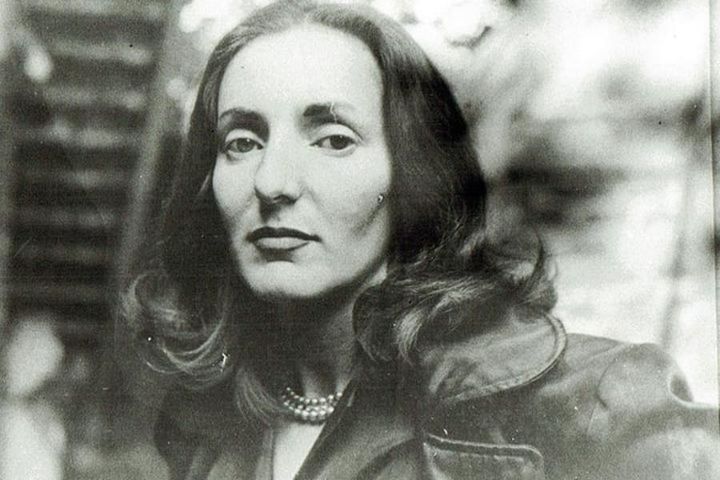
Aixa Rava (Tierra del Fuego, Argentina, 1982). Teacher of Language and Literature from Universidad Nacional del Comahue, writer and director of the publishing house Tanta Ceniza Editora. In 2022 she received the Can Serrat and Faberllull Olot scholarships. She has published the poetry books Barda (Buenos Aires Poetry, 2014); La luz no se corta como el papel (Ed. doble zeta, 2016); Los sitios de mi cuerpo (Añosluz, 2019); En el patio crece una planta rosario (Qeja, 2021); Sobre esta misma nieve (Esdrújula Ediciones, 2022); and Godai. El libro de lo manifiesto (Liliputienses, 2023; Caburé, 2024), for which she received the above-mentioned scholarships.
Aixa Rava (Tierra del Fuego, Patagonia, Argentina, 1982). Profesora en Letras por la Universidad Nacional del Comahue, escritora y directora del sello editorial Tanta Ceniza Editora. En 2022 obtuvo las becas Can Serrat y Faberllull Olot. Publicó los libros de poesía Barda (Buenos Aires Poetry, 2014); La luz no se corta como el papel (Ed. doble zeta, 2016); Los sitios de mi cuerpo (Añosluz, 2019); En el patio crece una planta rosario (Qeja, 2021); Sobre esta misma nieve (Esdrújula Ediciones, 2022); y Godai. El libro de lo manifiesto (Liliputienses, 2023; Caburé, 2024), por el cual obtuvo las becas antes mencionadas.