
Dragón blanco en la nieve - Jesús Sepúlveda / 赫苏斯·塞普尔韦达
Yo era el que regresó de la muerte después de una sobredosis de hongos / una tarde de invierno cuando tenía treinta años / y contemplaba las montañas nevadas de Ashland /
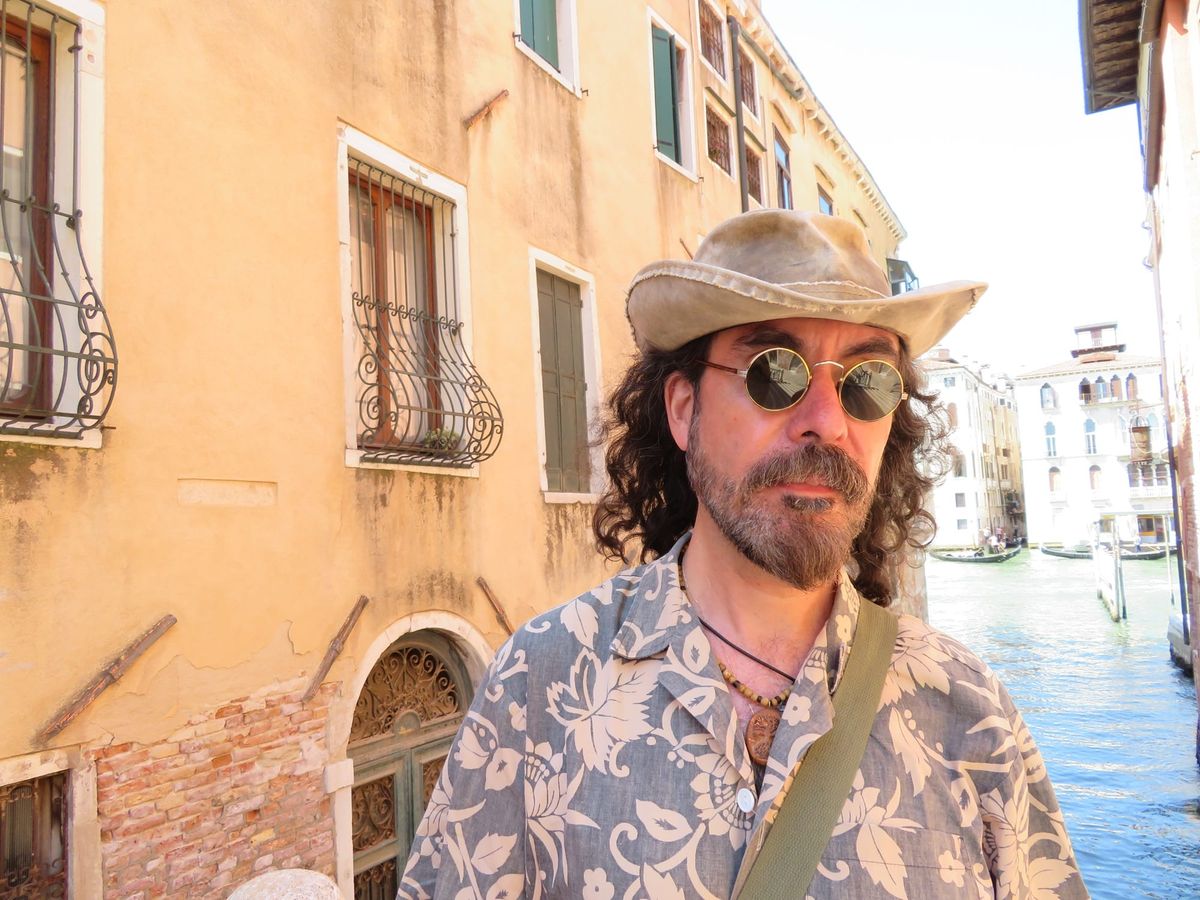
Jesús Sepúlveda
Dragón blanco en la nieve
白象
白象守護著一個祕密
牠們敏銳的記憶銘刻著創世瞬間的燦爛
如火焰般不可避免
兩個座標在任何既定的點相交
直線是眼睛的擬像
王冠是橢圓形的
白象
聽見死貓靈魂的哀號
牠們知道歌唱是一種想像的行為
而光不過是事件的反射
在牠們對世界的凝視中,似乎一切都沒有錯
然而
牠們仍然聽見死貓靈魂的哀號
[译者:宋克里斯]
[Chinese translation by Chris Song]
The White Elephants
The white elephants keep a secret
Their sharp memory registers the brilliant instant of creation
Inevitable as fire
the two coordinates intersect at any given point
A straight line is a simulacrum of the eyes
The crown is elliptical
The white elephants
hear the souls of the dead cats yowl
They know that to sing is an imaginary act
and light is only a reflection of events
Nothing seems wrong in their regard of the world
Nevertheless
they hear the yowls—the souls of dead cats
[Translated by Paul Dresman]
Elefantes blancos
Los elefantes blancos guardan un secreto
Su aguda memoria registra el brillo del instante de la creación
Inevitable es el fuego
de dos coordenadas que se intersectan en un punto cualquiera
Toda recta es un simulacro de los ojos
La corona es elíptica
Los elefantes blancos
oyen mayar las almas de los gatos muertos
Saben que cantar es un acto imaginario
y que la luz es un acontecimiento puramente reflejo
Nada hay de malo en su apreciación de mundo
Sin embargo
oyen mayar las almas de los gatos muertos
*
無羽雙足動物
說吧,小獸兒
不要如此執著
難道你看不到一切都好?
清晨就是黎明時闖入的老鼠
難道你沒有注意到,手套是活著的
而門口長著骨頭?
不,小獸兒
可不要這樣說。
有人進來
就有人出去
如果能稍微安慰到你
請記住,昨天是週四
總會有一個月份叫做九月
以及瓷器般的吻
說出來吧,小獸兒
並在遠方覆述
真的是真的嗎?
沿著頭髮向下看
平靜下來,小獸兒
因為太陽是圓的
去玩吧,是的
去玩吧,小獸兒
就算聽似醜陋
也要望向內心
[译者:宋克里斯]
[Chinese translation by Chris Song]
Featherless Biped
Say, little animal
don’t be so obsessive
Don’t you see it’s all right?
Morning is the rat entering at dawn
Haven’t you noticed the glove is alive
and there are bones in the doorway
No, little animal
don’t say that
Where some come in
others come out
And if it’s any consolation
know that yesterday was Thursday
That there will always be a month called September
and porcelain kisses
Say this, little animal
and repeat it in the distance
Is it really true?
Look down the length of your hair
And keep calm, little animal
because the sun is round
And play, yes
play, little animal
even if it sounds ugly –
look inside yourself
[Tranlasted by Elmira Louie]
Bípedo implume
Animalito, diga
no sea tan obseso
¿No ve que no pasa nada?
La mañana es una rata que entra de madrugada
No se ha dado cuenta que el guante está vivo
y hay huesos en la entrada
No, animalito
no diga eso
Donde unos entran
otros salen
Y si le sirve de consuelo
sepa que ayer fue jueves
Que siempre habrá un mes llamado septiembre
y besos de porcelana
Diga, animalito
y repítalo en lontananza
¿Es cierto de verdad?
Mírese a lo largo de su cabello
Y manténgase contento, animalito
porque el sol es redondo
Y juegue, sí
juegue, animalito
aunque le suene feo—
mírese por dentro
*
雪中白龍
我是那個人,吃了過量蘑菇而死了又復活
三十歲那年冬日下午
凝望阿什蘭的皚皚雪山
我與眾靈把老父留在輪椅上
那時的他還未坐上輪椅
那一夜我遵循死藤水的神聖火祭儀式
我是那個人,張開雙臂
任由無數隻已化作泥土的手臂
把自己拉入大地深處
我躍入使萬物清明的無形之河
在半透明的蠕蟲與金魚之間
看見夏夜群星流動如活著的編織
我看見我們起源的螺旋
在那裏,海獅躍出水面
鹿把蹄埋入大地
我寫下這是一場夢
醒來時已遠離那黃房子的幾何
鑽石般的貓嵌入夜的肌膚
然而我正在哀悼,因為我看見母親留下敞開的隧道
那個蒼白清晨,她病倒了
警笛的尖嘯把她帶進漏斗,底端通往太平間
然而我們都在哀悼,因為父親的嘴
已不再推動呼吸器
醫院磁磚冰冷,悲鳴如受傷的野獸
他們一同穿越那片煙幕
勾勒出我們眼睛中日復日的神祕
如藍色的夢照亮黑夜
他們已是守護角落的影子
他們仍聽得到童年的音樂
牆上的嘀嗒卻保持沉默
我不再看那脆弱的解剖
也不再任由自己帶著雨中花走下野花園
不再在蜻蜓將河流染成綠色時追隨正午的太陽
我醒來,在我與兒子
共用的淡藍色房間裏
一種神聖的臨在如雪中白龍在守望
[译者:宋克里斯]
[Chinese translation by Chris Song]
White Dragon in the Snow
I was the one who came back from the dead after overdosing on mushrooms
a winter afternoon when I was thirty
and gazed at the snowy mountains of Ashland
I was with the spirits leaving my old man in his wheelchair
when he was not yet in a wheelchair
the night I followed the ritual of the sacred fire with ayahuasca
I was the one who opened his arms
and let the earth pull him down
with a multitude of arms that are now earth
I jumped into the invisible river that makes things clear
between translucent worms and goldfish
and saw the summer stars move like a living fabric
I saw the spiral of our origin
where the sea lions jump out of the water
and the deer bury their paws
I wrote this was a dream
when I woke up far from the geometry of the yellow room
where diamond cats are embedded in the night’s skin
But I’m now in mourning because I saw the open tunnel my mother left
the pale morning when she fell ill
and the siren’s scream took her down the funnel that ends at the morgue
But we are now in mourning because the mouth of my father
no longer pumps the ventilator
on the cold tiles of the hospital that scream like a wounded animal
Now they both cross the smokescreen
that outlines the mystery of our daily eyes
and lights up the night like a blue dream
Now they are shadows that guard the corners
where the music of childhood is heard
and the ticking on the walls remains silent
Now I don’t look at the fragile anatomy
nor do I let myself fall in a wild garden with petals in the rain
or follow the sun at noon when the dragonflies dye the river green
I wake up now in the light blue room
that I share with my son
while a numinous presence watches us like a white dragon in the snow
[Translated by the author]
Dragón blanco en la nieve
Yo era el que regresó de la muerte después de una sobredosis de hongos
una tarde de invierno cuando tenía treinta años
y contemplaba las montañas nevadas de Ashland
Yo estuve con los descarnados dejando a mi viejo en una silla de ruedas
cuando no andaba todavía en silla de ruedas
una noche que seguí el ritual del fuego sagrado con ayahuasca
Yo era el que abrió los brazos
y dejó que la tierra lo jalara
con una multitud de brazos que ahora son tierra
Yo salté al río invisible que aclara las cosas
entre lombrices vítreas y peces de colores
y vio moverse las estrellas del verano como tela viviente
Yo vi la espiral de nuestro origen
cuando los lobos marinos saltan fuera del agua
y los ciervos entierran sus patas
Yo escribí que esto era un sueño
al despertar lejos de la geometría del cuarto amarillo
donde hay gatos diamantinos incrustados en el cuero de la noche
Pero ahora estoy de luto porque vi el túnel abierto que dejó mi madre
esa mañana pálida que cayó en cama
y el alarido de la sirena se la llevó por el embudo que termina en la morgue
Pero ahora estamos de luto porque la boca de mi padre
ya no bombea el respirador artificial
en las baldosas frías de la posta que chillan como animal herido
Ahora ambos cruzan la cortina de humo
que delínea el misterio de nuestros ojos cotidianos
y alumbran la noche que se alarga como un sueño azul
Ahora son sombras que guardan los rincones
donde se escucha la música de la infancia
y el tictac de los muros se calla
Ahora no miro la frágil anatomía
ni me dejo caer en un jardín silvestre con corolas bajo la lluvia
ni tampoco sigo el sol al mediodía cuando las libélulas tiñen el río verde
Ahora despierto en la pieza celeste
que comparto con mi hijo
mientras una presencia numinosa nos observa como dragón blanco en la nieve
***
赫苏斯·塞普尔韦达(Jesús Sepúlveda)出生于智利圣地亚哥,现居美国俄勒冈州尤金市。迄今出版著作19部,其中包括生态无政府主义宣言《奇异之园》(El jardín de las peculiaridades,2002)以及探讨萨满传统的论著《多维现实》(Realidades multidimensionales,2025)。其诗歌先后结集出版于《一个野蛮人的诗》(Poemas de un bárbaro,智利,2013)、《丝绸之井》(Poço de seda,葡萄牙,2022)和《法西斯主义坐在餐桌旁》(El fascismo se sienta a la mesa,洪都拉斯,2026)。其第三部诗集《马可尼酒店》(Hotel Marconi,1998)于2009年被智利Pulso Films改编为电影。曾任智利文学期刊《豹皮》(Piel de Leopardo)主编,并出版诗集《起源之地》(Lugar de origen,1987),该书被认为是智利"后87一代"(Generación post-87)的代表作之一。2020年,巴西出版电子诗集《一条失去光芒的河流》(É um Rio que Perdeu a sua Luz),收录其葡萄牙语诗歌选译。其学术专著《边缘上的诗人》(Poets on the Edge,2016)及论文集《数字控制时代的诗性理性》(Poetic Reason in the Age of Digital Control,2023)均以英文写作,并由美国出版社出版。近年来出版的两部诗集《细节之镜》(Espejo de los detalles,2020,智利与美国同步出版)和《美利坚治世》(Pax Americana,2023),将政治主题与萨满传统及精神性探索相互交织,展现出其诗学创作跨文化、跨思想的独特维度。其作品已被译成12种语言,在20多个国家出版,并曾受邀参加世界各地众多国际诗歌节及文学活动。塞普尔韦达拥有罗曼语文学博士学位,现任美国俄勒冈大学教授。更多作品及相关资料,可参阅其个人网站:www.poetajesussepulveda.com。
Jesús Sepúlveda was born in Santiago, Chile, and is currently based in Eugene, Oregon (USA). He is the author of nineteen books, including the green-anarchist manifesto The Garden of Peculiarities (2002) and Realidades multidimensionales (2025), a work on shamanism. His poetry has been collected in Poemas de un bárbaro (Chile, 2013), Poço de seda (Portugal, 2022), and El fascismo se sienta a la mesa (Honduras, 2026). His third poetry collection, Hotel Marconi (1998), was adapted into a feature film by Pulso Films (Chile) in 2009. He directed the literary magazine Piel de Leopardo and published Lugar de origen (1987), a representative work of Chile’s Post-87 Generación. In 2020, the e-book É um Rio que Perdeu a sua Luz, featuring a selection of his poems translated into Portuguese, was published in Brazil. His critical works—the monograph Poets on the Edge (2016) and the essay Poetic Reason in the Age of Digital Control (2023)—were originally written in English and published in the United States. His most recent poetry collections—Espejo de los detalles / Mirror of Details (2020), published simultaneously in Chile and the United States, and Pax Americana (2023)—interwine political concerns with shamanic and spiritual explorations. His work has been translated into twelve languages and published in more than twenty countries, leading him to participate in international poetry festivals and literary events around the world. He holds a Ph.D. in Romance Languages and serves as a Teaching Professor at the University of Oregon. His work can be read at: www.poetajesussepulveda.com
Jesús Sepúlveda nació en Santiago de Chile y reside en Eugene, Oregón (Estados Unidos). Ha publicado diecinueve libros, entre ellos el manifiesto ecoanarquista El jardín de las peculiaridades (2002) y el ensayo sobre chamanismo Realidades multidimensionales (2025). Su obra poética ha sido reunida en Poemas de un bárbaro (Chile, 2013), Poço de seda (Portugal, 2022) y El fascismo se sienta a la mesa (Honduras, 2026). Su tercer libro de poemas, Hotel Marconi (1998), fue adaptado al cine por Pulso Films (Chile) en 2009. En Chile dirigió la revista literaria Piel de Leopardo y publicó Lugar de origen (1987), obra emblemática de la llamada Generación post-87. En 2020 apareció en Brasil el libro electrónico É um Rio que Perdeu a sua Luz, una selección de su poesía traducida al portugués. La monografía crítica Poets on the Edge (2016) y el ensayo Poetic Reason in the Age of Digital Control (2023) fueron escritos originalmente en inglés y publicados en Estados Unidos. Sus dos poemarios más recientes, Espejo de los detalles (2020), editado simultáneamente en Chile y Estados Unidos, y Pax Americana (2023), entrelazan temáticas políticas con indagaciones chamánicas y espirituales. Su obra ha sido traducida a doce idiomas y publicada en una veintena de países, llevándolo a participar en numerosos festivales internacionales de poesía y eventos literarios alrededor del mundo. Es doctor en Lenguas Romances y profesor de la Universidad de Oregón. Su trabajo puede ser leído en: www.poetajesussepulveda.com